The importance of roads in the development of any society cannot be overstated. In Benue, a state where agriculture is central to the livelihood of a large proportion of the population, functional roads are particularly crucial. Good roads connect communities, facilitate the movement of people and goods, reduce transportation costs, and open up opportunities for trade and investment. However, rural development encompasses more than just roads. The Benue State Government must consider this as it implements its development agenda and allocates public resources.
A road is a means to development, not development in its entirety. The real test of rural development is whether the farmer can produce and earn a decent income, whether the child can attend a functioning school, and whether a pregnant woman and sick people can access a properly equipped health facility. Benue people cannot eat roads, they cannot be treated for illness by roads, and their children cannot receive quality education from roads. This highlights the need for a more balanced approach to development, not an argument against road construction.
There is growing concern among citizens and stakeholders that road construction has received disproportionate attention in the government’s current development priorities, while other sectors that directly affect the daily lives of rural people appear to have received less attention. If this perception is correct, it deserves urgent consideration. Rural development must be integrated, with roads connecting farms to markets, but also requiring productive farmers, functioning agricultural extension services, access to inputs, storage facilities, processing opportunities, and markets.
A newly constructed road leading from a farming community to an urban centre is of limited developmental value if farmers still struggle with insecurity, poor access to agricultural inputs, inadequate storage, and low farm-gate prices. Similarly, a road leading to a health centre cannot replace the doctors, nurses, medicines, laboratory facilities, electricity, water supply, and diagnostic equipment required to make that health centre functional. This highlights the limitations of focusing solely on road construction.
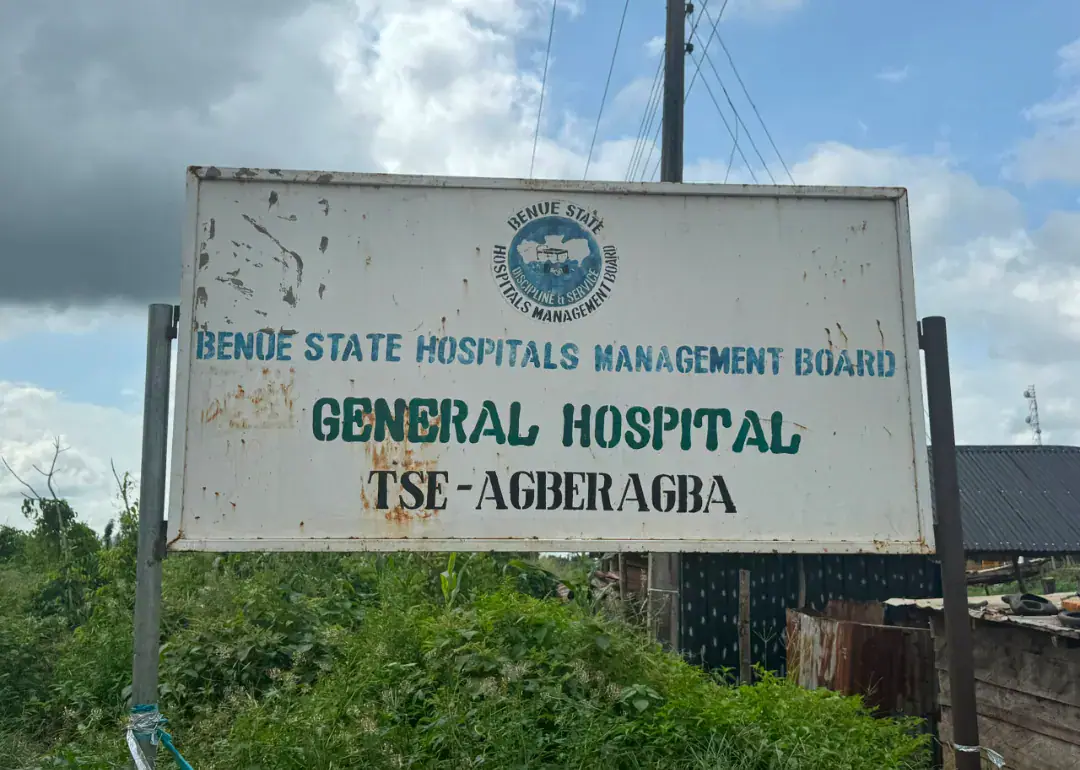
Benue’s hospitals have been struggling for years, and unlike buildings, human life cannot be rehabilitated after it is lost. The same principle applies to education, where a road can take a child to school, but it cannot teach that child. Rural schools require classrooms, teachers, learning materials, electricity, sanitation, and other basic facilities. Therefore, development should not be measured simply by the number of kilometres of roads awarded or constructed.
It should be measured by the quality of life that public investment creates. The Benue State Government must reassess its priorities to ensure that other essential sectors are not neglected. A one-sector development strategy is a danger that must be avoided. By adopting a more balanced approach, the government can ensure that the needs of its citizens are met, and that development is not limited to just road construction.
As the government continues to implement its development agenda, it must consider the needs of its citizens beyond just road construction. By investing in other essential sectors such as healthcare, education, and agriculture, the government can create a better quality of life for its citizens. This will ensure that development is not limited to just roads, but is a comprehensive and sustainable process that benefits all members of society.
Key points
- The Benue State Government's focus on road construction has raised concerns that other essential sectors may be neglected.
- A more balanced approach to development is needed, one that considers the needs of citizens beyond just road construction.
- Development should be measured by the quality of life that public investment creates, not just the number of kilometres of roads constructed.