The recent Osun State governorship election has rekindled debate over the influence of "federal might" in Nigerian elections. Governor Ademola Adeleke's victory over the APC candidate, Bola Oyebamiji, despite the ruling party's national structure, suggests that control of the centre does not guarantee victory at the state level. Adeleke polled 511,067 votes, winning 19 of the state's 30 local government areas. This outcome has raised questions about the limits of federal influence and whether popular candidates can withstand the organisational and institutional advantages of the party controlling the centre.
The 2027 elections will provide a clearer answer to this question, with several states and legislative districts set to test the strength of personal networks against candidates backed by the ruling party. Serving opposition governors will defend their mandates against APC challengers, while others will seek to transfer their political capital to preferred successors. At the National Assembly level, sitting legislators and former governors will also test their personal networks against candidates backed by the ruling party.
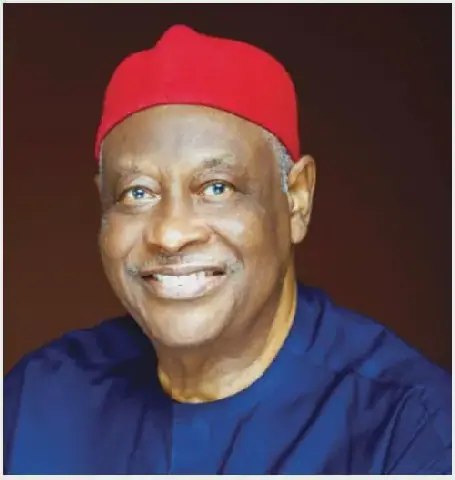
One of the clearest tests will be in Abia, where Governor Alex Otti of the Labour Party is seeking a second term against APC candidate Eric Opah. Otti, elected in 2023, will seek to persuade voters that his administration's record warrants another term. The contest will be about whether Otti's personal popularity and assessment of his administration can withstand the organisational strength of an APC that controls the Federal Government.
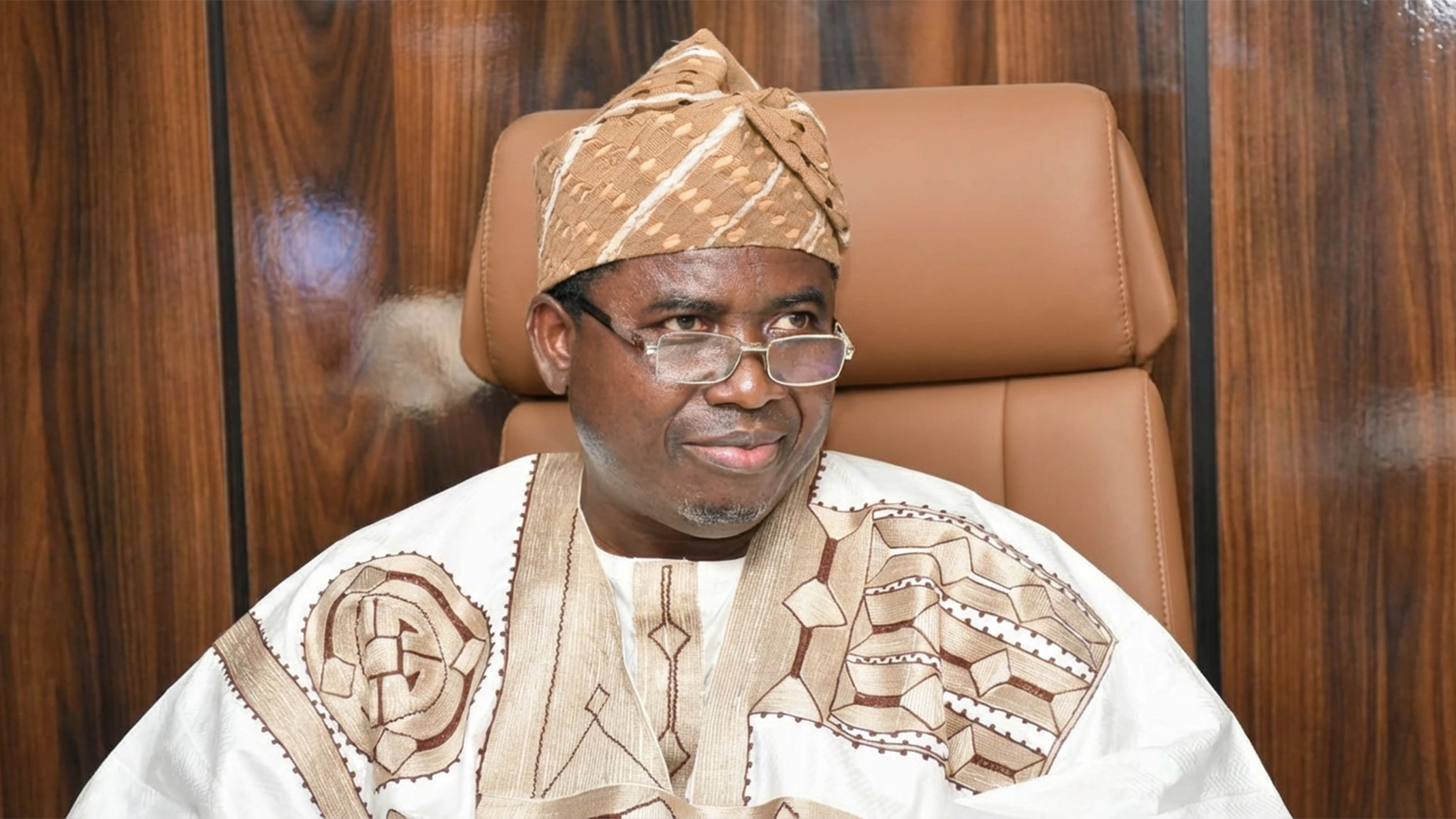
In Oyo, Governor Seyi Makinde cannot seek a third term, making the contest a test of whether his political standing and record can help his preferred successor, Abimbola Adekanmbi of the Allied Peoples Movement (APM), withstand the APC's Senator Sharafadeen Alli. The Oyo election could become an important test of political succession and whether the popularity of an outgoing governor can be transferred to another candidate.
A similar test is unfolding in Bauchi, where Governor Bala Mohammed of the Peoples Democratic Party (PDP) is approaching the end of his two terms. Mohammed has built a significant political profile within the state and nationally, but the challenge will be whether his influence can survive a change of candidate in an election in which the APC is expected to leverage its control of the Federal Government.
The same struggle between personal political capital and party machinery will extend beyond the governorship contests. In the Federal Capital Territory, Senator Ireti Kingibe of the African Democratic Congress (ADC) is seeking another term against former senator Philip Tanimu Aduda of the APC. The contest has acquired an additional political dimension following comments by FCT Minister Nyesom Wike that Kingibe would not return to the Senate.
The outcome of these contests will have significant implications for Nigerian politics, particularly in terms of the role of "federal might" in elections. Key points to watch include:
Key points
- Can popular candidates overcome the advantages of the party controlling the centre?
- Will governors who cannot seek re-election transfer their political capital to their chosen successors?
- How will personal political capital fare against party machinery in legislative battles?