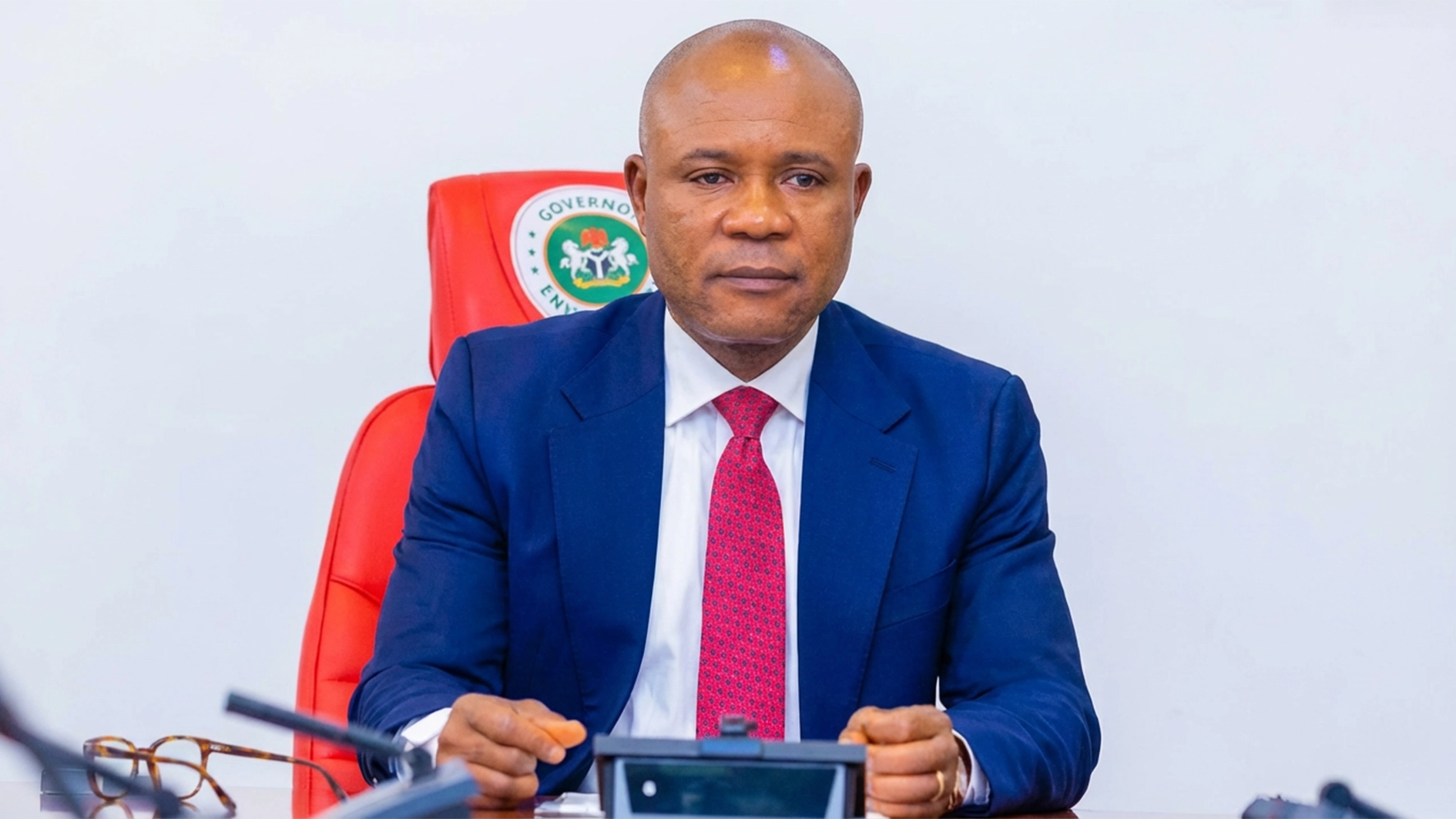
The Enugu International Hospital, a 300-bed specialist facility, is being built by the administration of Governor Peter Mbah to provide advanced medical care and reduce dependence on healthcare services outside the state. The hospital will have advanced infrastructure, including MRI machines, cancer-treatment equipment, mammography, and modern surgical theatres. It will offer services such as emergency medicine, surgery, obstetrics and gynaecology, intensive care, cardiology, oncology, neurology, radiology, laboratory services, pharmacy, and rehabilitation.
The project is significant because Nigeria continues to lose substantial human and financial resources through medical tourism. Nigerians who can afford it travel abroad for specialised treatment, resulting in a loss of expenditure that could support Nigerian hospitals, doctors, and other businesses. The Enugu International Hospital offers an opportunity to break this cycle by providing complex procedures locally, allowing patients to seek care within the state and keeping money within the region.
The hospital could become an anchor for a healthcare economy, creating new economic opportunities and attracting specialists. However, there is a risk that the facility may only be accessible to wealthy Nigerians, expatriates, and medical tourists if health insurance is not central to the project's success. The state has reported interventions across 260 Type-2 primary healthcare centres, alongside investments in equipment, digital transformation, and real-time health data systems.
The World Health Organisation has recognised the administration's broader health-system investments. The combination of primary healthcare, secondary hospitals, and advanced specialist services is strategically sound. The International Hospital can provide the apex of an integrated referral architecture, while primary healthcare provides the foundation and digital systems connect the different levels.
However, an uncomfortable reality must be confronted: a world-class hospital cannot compensate for a weak primary and secondary healthcare system. The latest Human Resources for Health assessment presents a stark picture of Enugu's primary healthcare workforce, with a gap of 6,464 personnel or 78.1 per cent across 566 PHC facilities in the state's 17 LGAs.
The cadre-specific figures reveal significant gaps in staffing, including medical officers, pharmacists, medical laboratory scientists, nurses, and midwives. Community Health extension workers have a deficit of 1,116 personnel, representing 49.3 per cent of the requirement. These figures fundamentally change how the International Hospital project is approached, highlighting the need for a comprehensive healthcare system.
The Enugu International Hospital project requires a functioning health system capable of delivering quality, affordable, and accessible healthcare. The state must address the staffing gaps and invest in primary and secondary healthcare to create a continuum of care that allows patients to move from community-level prevention to advanced specialist services.
Key points
- The Enugu International Hospital project has the potential to reduce medical tourism and improve healthcare in Nigeria.
- The project's success depends on the availability of health insurance to make international-standard healthcare accessible to ordinary citizens.
- A world-class hospital cannot compensate for a weak primary and secondary healthcare system, highlighting the need for comprehensive healthcare system investments.