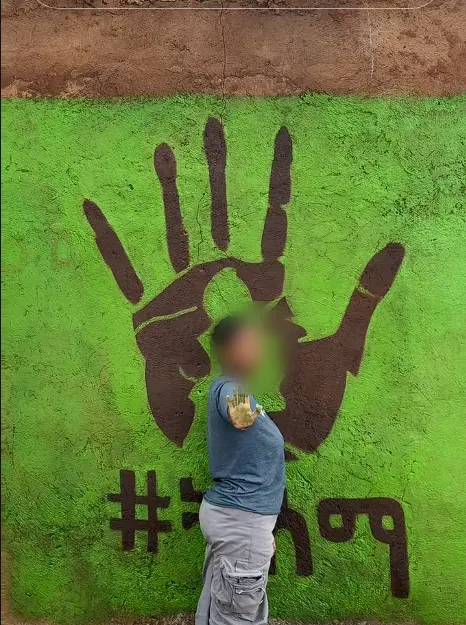
A growing campaign in Ethiopia, #ትሰማ, or "Let Her Be Heard," is bringing attention to cases of violence against women and girls, highlighting failures in investigation, accountability, and justice. The campaign has drawn attention to specific cases, including those of Zewdu Haftu, Keneni Adugna, and Heaven Awot, arguing that these are not isolated incidents but part of a broader pattern of inadequate institutional response. Supporters are calling for the government to recognize violence against women and girls as a national crisis requiring coordinated action.
The campaign has gained visibility through social media, with supporters sharing stories, changing profile pictures, signing petitions, and calling for solidarity and institutional action. However, critics argue that the campaign is part of a broader cultural transformation influenced by Western social norms, sparking debates about feminism, sexuality, and gender identity. These reactions have led to a wider discussion about power, cultural change, and who should have a voice in deciding.
Critics often view feminism as a single ideology, but feminist scholarship encompasses a wide diversity of perspectives, including Christian, Islamic, black, liberal, socialist, and radical traditions. These perspectives differ on issues such as family, religion, sexuality, and reproductive rights. What unites them is a shared concern with the status, rights, and experiences of women. This diversity of perspectives is relevant to the #ትሰማ campaign, as it highlights that a campaign against femicide does not necessarily establish a position on gender identity.
A recent work edited by Meron Zeleke and colleagues suggests that transforming gender-based violence in Ethiopia need not depend on a universal feminist framework. Some activists may understand gender justice as requiring broader cultural reform, but this should be made openly and distinguished from the campaign itself. The important distinction is not whether feminism and gender justice intersect, but whether commitment to one should be treated as a prerequisite for commitment to the other.
The anxiety surrounding #ትሰማ is rooted in its emergence from cases of violence against women and girls, and its demands for institutional change, including clearer responsibility, adequate resources, and accountability. This has led to concerns that a campaign for gender justice could contribute to broader changes in family, sexuality, or social norms. However, these concerns should not be dismissed or treated as proof of anything, and cultural discomfort cannot justify violence, discrimination, or institutional indifference.
The debate around #ትሰማ has also raised questions about culture and who has the authority to define it. Critics sometimes speak as though Ethiopian culture were a fixed inheritance threatened by feminism, but culture has never been static. The question is therefore not whether culture changes, but who decides what changes, and whose experience defines what should remain. This matters because social arrangements do not distribute power equally, and those who benefit from an existing order may experience greater equality as a loss of authority or stability.
Ultimately, the #ትሰማ campaign has brought to the forefront the need for a nuanced discussion about power, cultural change, and the role of feminism in Ethiopia. The campaign's demands for accountability and institutional change are not necessarily tied to a specific feminist ideology, but rather to a broader concern with the status, rights, and experiences of women. As the debate continues, it is clear that cultural anxiety and discomfort will be part of the conversation, but it is also clear that these cannot be used to justify violence, discrimination, or institutional indifference.
Key points
- The #ትሰማ campaign in Ethiopia highlights the need for a nuanced discussion about power, cultural change, and the role of feminism in addressing gender violence.
- Critics argue that the campaign is part of a broader cultural transformation influenced by Western social norms, sparking debates about feminism, sexuality, and gender identity.
- The campaign's demands for accountability and institutional change are not necessarily tied to a specific feminist ideology, but rather to a broader concern with the status, rights, and experiences of women.