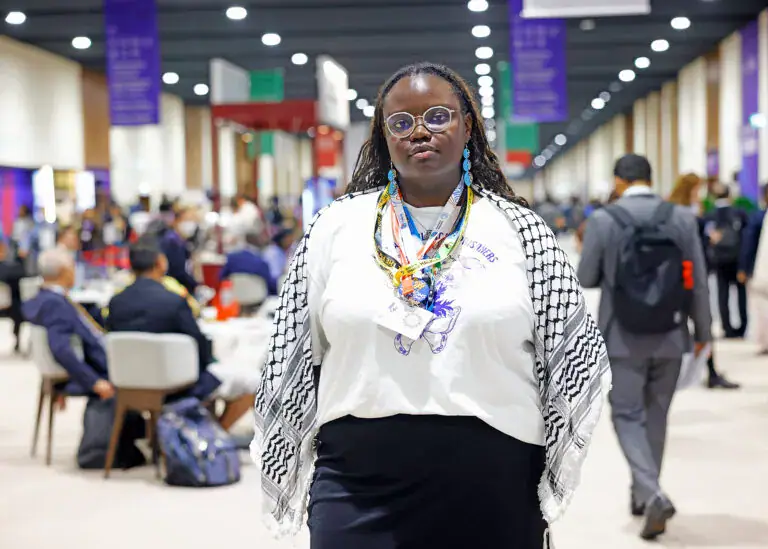
Cameroonian author Comfort Mussa has released her debut novella, The Shape of Unbroken Things, in a range of formats to promote accessibility. The book is available in English and French Braille, alongside print and digital editions. This approach puts accessibility at the heart of publishing, highlighting the costs and practical barriers to reaching more readers. Mussa's decision to prioritize accessibility was motivated by an encounter with a young blind girl.
The Shape of Unbroken Things tells the story of a young Cameroonian woman living with disability as she navigates family expectations, love, stigma, and self-discovery. The book has been praised for its portrayal of resilience and unity. Antoine Aymard Lindjeck, a journalist with Cameroon Radio and Television, has read the French Braille edition and appreciates its impact. He notes that the book is a tool against the stigmatization of people with disabilities.
Lindjeck's experience with Braille books reflects the barriers faced by readers with visual impairments in Cameroon and elsewhere. He recalls struggling to access Braille books in school, often relying on others to read and transcribe texts. According to the World Blind Union, less than 10% of published books are ever made into accessible formats. In Cameroon, it is difficult to determine how many books have been transcribed into Braille.
Disability-inclusive development professional consultant Acha Rita Ngum notes that authors and publishers often do not consider readers with visual impairments. The transcription process can be costly and time-consuming, with a printed book of 150 pages becoming around 800 pages in Braille. However, Ngum praises Mussa's decision to prioritize accessibility, saying it sets a positive trend for other authors and publishers to follow.
Cameroon has ratified several international agreements to promote accessibility, including the Marrakesh Treaty and the UN Convention on the Rights of Persons with Disabilities. The government has also validated the National Policy of Inclusive Education, with a road map to improve access to Braille resources for children with visual impairments. However, Ngum notes that a large gap remains between policy and the availability of accessible books.
Mussa's publisher, Dzekashu MacViban, says that Bakwa Books aims to rethink who gets to participate in the literary experience. The publisher has produced separate Braille editions in English and French, in collaboration with the Coco Bertin Inclusive Vocational Training Institute. The print edition features a tête-bêche format, with English and French versions starting from opposite covers.
Mussa says that accessibility shaped the book from the start, with the Braille edition in mind from the first draft. She deliberately delayed the release of an audiobook, prioritizing the Braille version to allow students with visual impairments to read the book first. Dr Jean Pascal Somb Lingom, a lecturer and journalist who is blind, explains that reading Braille helps learners feel the letters that make up a word, which can aid spelling and writing.
Key points
- The book's publication marks a significant step towards accessibility in Cameroon's literary scene.