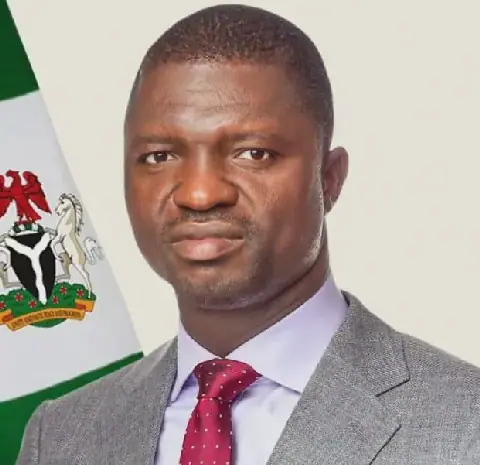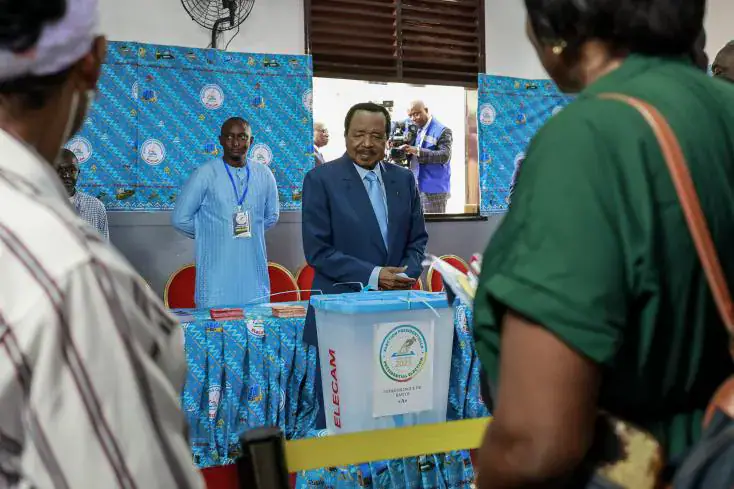
Cameroon's President Paul Biya has announced that legislative and municipal elections will be held on February 7, 2027. The announcement was made through a decree read on national public radio CRTV on November 9, 2026. This upcoming election marks the first major electoral event since the presidential election in October 2025, which saw Biya, 93, and in power since 1982, declared the winner. The outcome of that election was contested by the opposition and some segments of the population, leading to protests that were violently suppressed.
The political climate in Cameroon is highly charged as voters head to the polls. The country has been experiencing significant tension, characterized by the repression of opposition voices and inertia at the top levels of government. There is an ongoing expectation for a cabinet reshuffle, which was announced by Biya nearly a year ago, as well as the appointment of a vice-president. This position was reintroduced through a constitutional reform in April and is set to succeed Biya in the event of his death during his term.
Frequent absences by President Biya due to health reasons have sparked recurring debates about his fitness to lead the country. In late August, Biya returned to Yaoundé after spending over two months in Geneva, Switzerland, which drew sharp criticism from the opposition. Several opposition members requested that a vacancy of power be declared, but their appeals were unsuccessful. This situation has contributed to the overall uncertainty and tension within the country's political landscape.
The opposition continues to face challenges from the government. In late October, the Front for National Salvation of Cameroon (FSNC), a party led by opposition figure Issa Tchiroma Bakary, was suspended and banned from activity for three months. Bakary, who is currently in exile in The Gambia, continues to claim victory in the 2025 presidential election. This recent suspension further highlights the strained relationship between the government and opposition parties in Cameroon.
The upcoming legislative and municipal elections are seen as critical junctures for Cameroon's political future. With the country grappling with issues of governance, opposition suppression, and presidential succession, the elections could potentially reshape the country's political dynamics. The elections will determine the composition of the national legislature and local councils, impacting policy direction and governance at both levels.
President Biya's announcement of the elections comes at a time when his administration is under intense scrutiny. The international community and local observers are closely watching the events unfolding in Cameroon, particularly in light of concerns about democratic practices and human rights. The manner in which these elections are conducted will likely have implications for the country's standing on the global stage and its relations with foreign partners.
As Cameroon prepares for the polls, stakeholders are urging calm and calling for a transparent electoral process. The path to the February 7 elections will be closely monitored, both domestically and internationally, as the country navigates its complex political terrain. Key points to watch include the level of participation, the conduct of the electoral process, and the government's response to opposition concerns.
Key points
- President Paul Biya announced legislative and municipal elections for February 7, 2027.
- The elections follow a contentious presidential election in 2025.
- The political climate is tense, with concerns over Biya's health and opposition suppression.