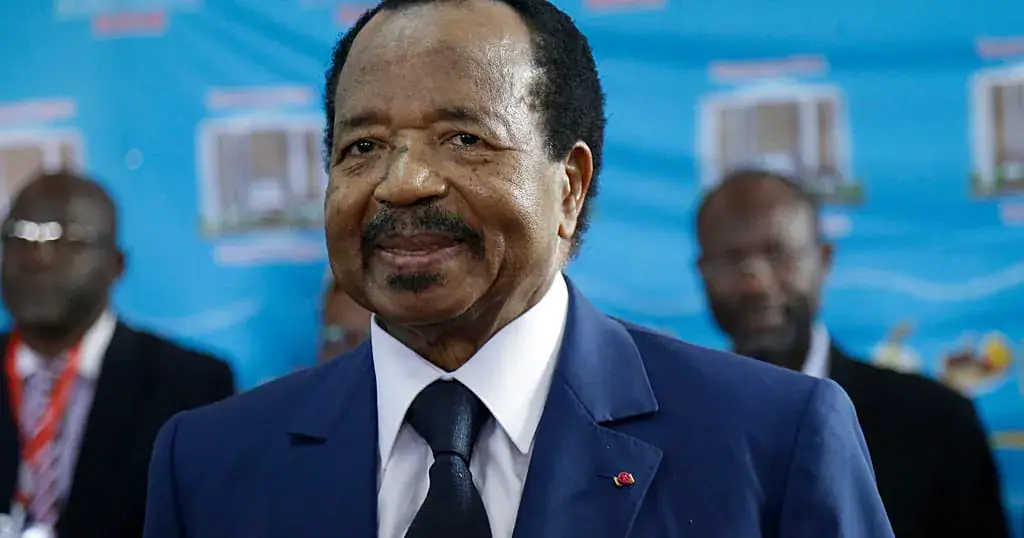
Cameroonian President Paul Biya, the world's oldest head of state at 93, has announced that legislative and local elections will be held on February 7. This will be the first ballot since his reelection in contested polls last year. Biya has ruled Cameroon since 1982, and his reelection was met with rejection from the opposition, leading to demonstrations that were bloodily suppressed by authorities.
The announcement was made in a decree read on public radio, following two postponements of the elections. The country is awaiting a government reshuffle announced nearly a year ago, as well as the appointment of a vice president, a position reintroduced by a constitutional reform in April. This vice president would be expected to succeed Biya in the event of his death. Biya's frequent trips abroad have fueled debate about his state of health and ability to lead the country.
Biya's reelection has been met with criticism, particularly from the opposition. In August, he returned to Yaounde after spending over two months in Geneva, Switzerland, sparking sharp criticism from the opposition. The authorities have also suspended the Cameroon National Salvation Front (FSNC), the party of defeated opposition presidential candidate Issa Tchiroma Bakary. Bakary went into exile in the Gambia after declaring himself the winner of the election and calling on supporters to defend his "victory," triggering protests.
The new polls come in a tense political context, marked by the repression of the opposition and the inertia of those in power at the top of the state. The country's opposition has expressed concerns about the electoral process, citing irregularities in previous elections. The international community has also been watching closely, with many calling for free and fair elections.
President Biya's government has faced criticism for its handling of the opposition and human rights. The country's security forces have been accused of using excessive force against protesters, leading to concerns about the government's commitment to democracy and human rights. The upcoming elections will be a test of the government's willingness to reform and address the concerns of the opposition.
The appointment of a vice president is seen as a significant development, given Biya's advanced age and frequent health concerns. The vice president will be expected to play a key role in the country's leadership, particularly in the event of Biya's death or incapacitation. The government has not yet announced a date for the appointment of the vice president.
The February 7 elections will be a crucial test of Cameroon's democratic progress. The country's opposition has vowed to participate in the elections, despite concerns about the electoral process. The international community will be watching closely, with many hoping that the elections will be free and fair.
Key points
- President Biya's announcement of legislative and local elections on February 7 comes amid a tense political climate and opposition concerns about the electoral process.