Cameroon's electricity sector is undergoing significant changes as the country's utility, SOCADEL, pursues a major financial and operational recovery programme. This programme aims to address persistent weaknesses in the power sector, which have resulted in unreliable electricity services for businesses, households, and industries. A key component of this effort is a CFAF 200 billion financing facility that SOCADEL is seeking to raise through a syndicate of local banks, including General Bank of Cameroon, Afriland First Bank, and BGFIBank Cameroon.
The proposed financing is intended to improve liquidity, restructure existing obligations, and support the financial stabilisation of the electricity sector. This initiative builds on an earlier CFAF 60 billion fundraising mandate signed on 1 July 2026 with General Bank of Cameroon. The funds are intended to support priority investments in electricity generation, distribution, and commercial operations. These efforts reflect a broader strategy to address both the utility's financial position and the infrastructure challenges affecting service delivery.
SOCADEL's recovery efforts are crucial because electricity-sector difficulties extend beyond the utility itself. Weak finances can affect payments to suppliers, delay maintenance, and limit investment in equipment. When these pressures combine with inadequate infrastructure, households and businesses face unreliable supply and higher operating costs. For manufacturers, electricity reliability is directly connected to productivity, and unplanned outages can interrupt production, damage equipment, and force businesses to rely on diesel generators.
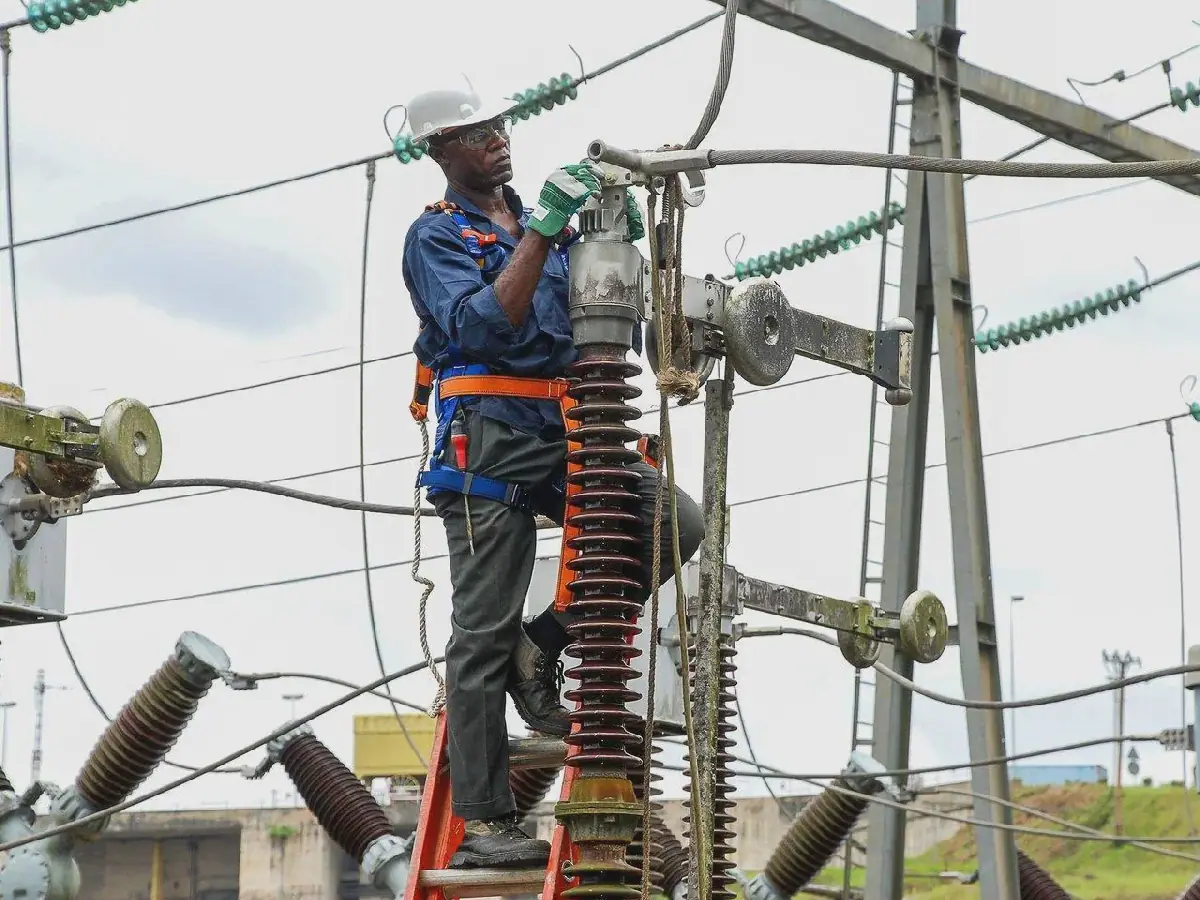
SOCADEL's operational programme includes attention to generating facilities, distribution networks, and the equipment required to maintain them. The company's October 2026 update identified financial recovery, audits, cost optimisation, and stronger revenue collection among the priorities for stabilising the company. These measures are essential because infrastructure investment cannot deliver lasting improvements if the institution responsible for operating and maintaining it remains financially weak.
The wider challenge is to ensure that financing is directed towards projects that produce measurable improvements. Rehabilitated generating units, functioning transformers, improved distribution networks, and more effective maintenance can all contribute to better service. The public should ultimately be able to assess progress through fewer outages, reduced distribution losses, improved connections, and more dependable electricity for industrial customers.
There is also a governance responsibility to ensure that large financing arrangements and procurement programmes require transparent processes, clear accountability, and careful financial management. The objective should be to improve the utility's ability to serve customers without creating further unsustainable obligations. Cameroon’s experience reflects a wider development challenge across Africa, where expanding generation capacity is important, but electricity access and reliability also depend on financially sustainable utilities, effective distribution systems, and institutions capable of maintaining infrastructure.
The decisive measure of SOCADEL's recovery programme will not be the size of its financing mandates, but whether resources are secured and properly deployed, whether infrastructure performs as intended, and whether households and businesses experience a more reliable supply. If financial reform is matched by operational discipline and transparent management, Cameroon’s electricity sector could become a stronger foundation for industrial investment, enterprise growth, and improved living standards.
Key points
- SOCADEL seeks CFAF 200 billion financing to improve liquidity and infrastructure.
- The programme aims to address persistent weaknesses in the power sector.
- Financial reform must be matched by operational discipline and transparent management for lasting improvements.
Reporting sources
- Cameroon’s Electricity Sector: Turning Financial Recovery into Reliable Power · African Leadership Magazine