The African Bar Association (AFBA) has marked ten years since the outbreak of Cameroon's Anglophone crisis with a call for internationally mandated mediation, accountability for human rights violations, and a comprehensive transitional justice mechanism. The crisis began in October 2016 with protests by English-speaking lawyers and teachers over the increasing use of French in Anglophone courts and schools. The demonstrations eventually led to a prolonged political and armed conflict in the North-West and South-West regions of Cameroon.
The AFBA's resolutions, adopted at its 2026 Annual Conference in Cabo Verde, condemn abuses by government forces and armed separatists, including extrajudicial killings, arbitrary arrests, and detentions. The association specifically highlights the need for protection of civilians, students, humanitarian workers, and vulnerable communities. The condemnation is significant for its explicit mention of violations attributed to both sides of the conflict.
The AFBA demands a political process addressing the underlying causes of the crisis, including historical grievances, marginalization, and demands for greater autonomy or federalism. The association's call for internationally mandated mediation aims to address the constitutional and political grievances of English-speaking Cameroonians. Questions surrounding the protection of the common law system, the status of Anglophone educational institutions, and political representation remain contentious.
The Cameroonian government has introduced decentralization measures and granted special status to the North-West and South-West regions, while separatist movements continue to pursue independence. The AFBA's resolution does not prescribe a particular political outcome but emphasizes the need for internationally mandated mediation to address the grievances sustaining the conflict.
The association also calls for the establishment of a comprehensive transitional justice mechanism to hold perpetrators of atrocity crimes accountable, provide reparations to victims, and ensure non-recurrence. The proposed mechanism would require a process capable of examining serious violations committed during the conflict and providing remedies for victims and survivors.
The AFBA highlights the humanitarian consequences of the crisis, with over one million persons internally displaced and over 3,000 civilians killed. The association demands unrestricted humanitarian access to populations in need in the North-West and South-West regions. The crisis has devastated communities, disrupted economic activity, and left thousands of families struggling with displacement and poverty.
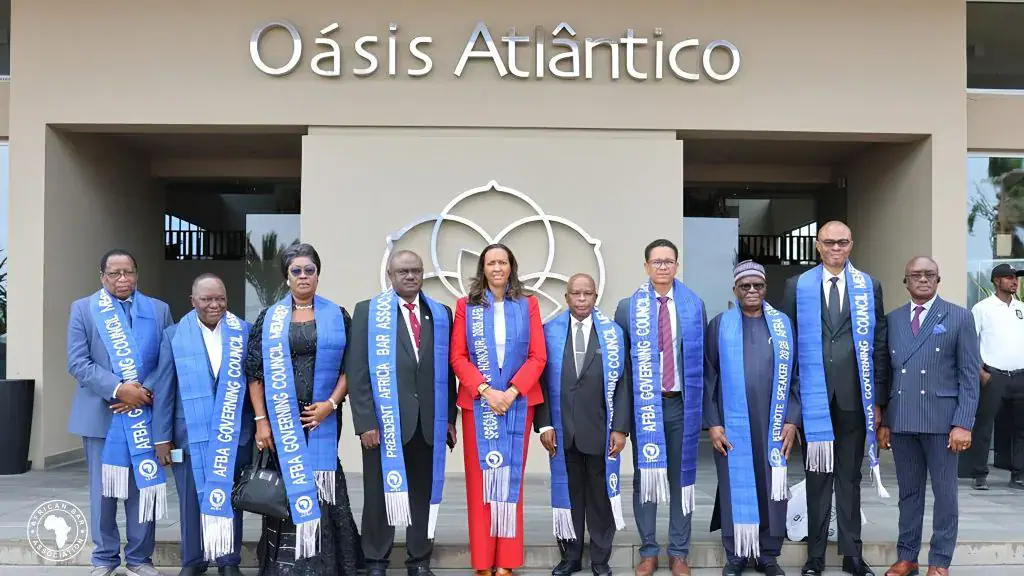
The African Bar Association's President, High Chief Ibrahim Eddy Mark, led the conference, which brought together lawyers, judicial officials, government representatives, security experts, and civil society organizations from across Africa and beyond. The keynote address was delivered by former United Nations Under-Secretary-General Professor Ibrahim Agboola Gambari.
Key points
- The African Bar Association demands international mediation, accountability for human rights violations, and a comprehensive transitional justice mechanism to address Cameroon's Anglophone crisis.
- The crisis has resulted in over one million internally displaced persons and over 3,000 civilian deaths.
- The association's resolutions condemn abuses by both government forces and armed separatists.