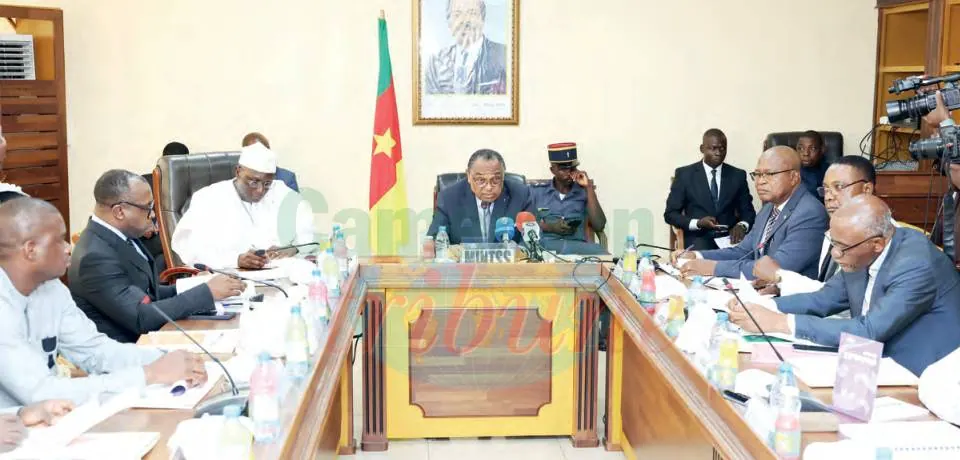
The Cameroonian government has initiated a review of its 1992 Labour Code to align with current work trends and challenges. The 50th session of the Committee for Consultation and Monitoring of Social Dialogue, held in Yaoundé, focused on revising the outdated code. The meeting, presided over by Minister Grégoire Owona, brought together union leaders, employer representatives, and sectoral administrations. The primary goal is to update the code to address emerging issues in the labour market.
The 1992 Labour Code has been in force for over 30 years, and the government believes it is essential to revise it to reflect changes in the world of work. Minister Owona highlighted the need for an updated code to address new challenges and realities, such as digital platforms and telework. The review process, which began in 2019, was temporarily halted due to the COVID-19 pandemic but has since resumed. The government has engaged in consultations with social partners and sectoral administrations to ensure a comprehensive review.
The review of the Labour Code aims to promote decent work, protect workers' rights, and improve labour relations. The government recognizes that the world of work is dynamic and constantly evolving, with new forms of employment and work organization emerging. The updated code will provide a framework for regulating these new trends and ensuring that workers' rights are protected. The Ministry of Labour and Social Security (Mintss) is leading the review process, with input from various stakeholders.
The revised Labour Code will address issues related to digital platforms, telework, and other emerging trends in the labour market. The government believes that an updated code will help to promote social dialogue, improve working conditions, and enhance labour productivity. The review process involves consultations with social partners, including unions and employer organizations, to ensure that the updated code reflects the needs and concerns of all stakeholders.
The 50th session of the Committee for Consultation and Monitoring of Social Dialogue provided an opportunity for stakeholders to discuss the review process and provide input. The meeting also offered a platform for social partners to engage in dialogue and build consensus on key issues related to the labour market. The government is committed to ensuring that the review process is inclusive and transparent, with a focus on promoting decent work and protecting workers' rights.
The review of the Labour Code is part of a broader effort to promote social dialogue and improve labour relations in Cameroon. The government recognizes the importance of social dialogue in addressing labour market challenges and promoting economic growth. The updated code will provide a framework for regulating the labour market and promoting decent work, which is essential for sustainable economic development.
The revised Labour Code is expected to be finalized and implemented in the near future, providing a modern framework for regulating the labour market. The government is committed to ensuring that the updated code is effective in promoting decent work, protecting workers' rights, and improving labour relations. The review process has been ongoing for several years, and the government is expected to finalize the updated code soon.
Key points
- The Cameroonian government has initiated a review of its 1992 Labour Code to adapt to modern work trends, including digital platforms and telework.