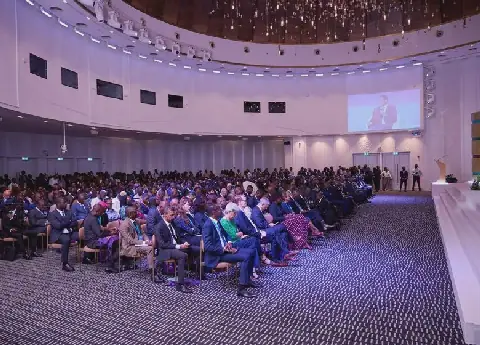
The Cameroonian Minister of Environment, Protection of Nature, and Sustainable Development, Hélé Pierre, recently stated that the country's ecosystems are severely degraded. He made this statement during the celebration of World Environment Day in Yaoundé, which had the theme "Restoring Ecosystems". According to the minister, the degradation affects all ecosystems in the five agro-ecological zones of Cameroon.
The degraded ecosystems in Cameroon cover a significant area, with approximately 8 million hectares in the Sudano-Sahelian region, 67,000 hectares of mangroves in the coastal zone, and almost 4 million hectares in the highlands and forest areas. This totals around 12 million hectares of degraded ecosystems in the country. The minister cited several causes of this degradation, including population growth, extensive and non-integrated agricultural and pastoral systems, and the construction of development infrastructure.
The issue of ecosystem degradation is not unique to Cameroon, as globally, around 2 billion hectares of landscapes and land are degraded. The minister emphasized the need to restore a significant portion of national and international ecosystems. He highlighted the potential benefits of restoration, including the possibility of storing a large amount of carbon dioxide and developing environmental services.
The concept of the "Bonn Challenge" was born out of the analysis of the benefits of ecosystem restoration. This concept aims to positively impact the fight against climate change. In Africa, the goal is to contribute to the restoration of degraded ecosystems, which will have a positive impact on the environment and the fight against climate change.
The restoration of 350 million hectares of degraded landscapes and forests could generate $170 billion in net benefits. This would also help to store a significant amount of carbon dioxide and develop environmental services. The minister stressed the importance of taking urgent action to restore ecosystems and mitigate the effects of climate change.
World Environment Day is celebrated annually to raise awareness about environmental issues and promote sustainable development. The theme of this year's celebration, "Restoring Ecosystems", highlights the need for collective action to protect and restore ecosystems. The Cameroonian government has emphasized its commitment to addressing environmental challenges and promoting sustainable development.
The Cameroon Tribune reported that the minister's statement was made during the celebration of World Environment Day in Yaoundé. The event aimed to raise awareness about the importance of protecting and restoring ecosystems. The minister's statement highlights the need for urgent action to address the issue of ecosystem degradation in Cameroon and its potential consequences for the environment and human well-being.
Key points
- Cameroon has approximately 12 million hectares of degraded ecosystems.
- The main causes of ecosystem degradation in Cameroon include population growth, extensive agricultural and pastoral systems, and infrastructure construction.
- Restoring 350 million hectares of degraded landscapes and forests could generate $170 billion in net benefits.
Reporting sources
- Ecosystèmes au Cameroun : 12 millions d’hectares à restaurer · Cameroon Tribune