In a bid to promote reliable information and combat misinformation, 15 local media outlets and 39 journalists from Eastern Democratic Republic of Congo and Western Uganda have joined forces to support the fight against Ebola. The initiative, launched on October 30, 2026, aims to improve access to verified and adapted information on Ebola and other health risks for communities in the region. The project, funded by the German Federal Ministry for Economic Cooperation and Development, is a collaboration between CAMECO and Eleza RDC.
The seven-month project, titled "Synergies and Capacity Building for Community Media in the Fight Against Ebola in DRC and Uganda," will provide training and support to local media outlets in four intervention zones: Bunia, Beni, Kisangani, and Hoima. Journalists will receive training on biosecurity standards, journalistic ethics, and risk communication guidelines. The training will be led by a team of experts with backgrounds in health, community mobilization, health journalism, and fact-checking.
According to Pascal Chirhalwirwa, the project's coordinator, the initiative has three main pillars: training, production of journalistic content, and exchange of experiences. The project aims to strengthen the capacities of local media outlets, encourage collaboration, and support their work in professional and secure conditions. The program and training methodology were developed with the support of Medmissio – Institute for Global Health, a German non-profit organization.
The project also includes the creation of a fact-checking unit that will produce reliable content to share with partner media outlets. A bilingual, transborder bulletin will be published every two months to analyze rumors and alert stakeholders to their potential impact on the health response. The initiative aims to make media outlets spaces for dialogue between communities, health professionals, and other response actors.
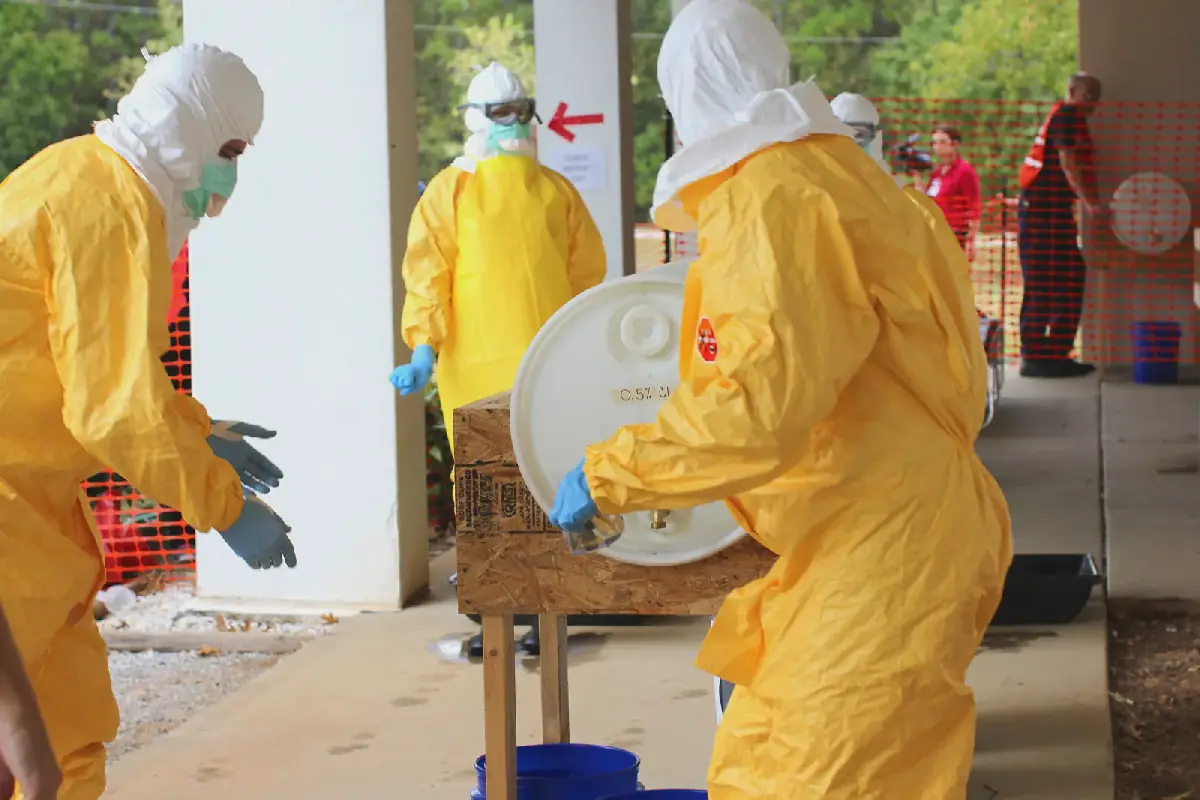
Journalists play a crucial role in circulating information during an epidemic, but they often lack the necessary resources to protect themselves and their equipment. To address this, the project will provide partner media outlets with individual protection kits and reinforce handwashing facilities within newsrooms. Training sessions will also include practical advice and documentation on physical, moral, and digital safety.
The resurgence of Ebola in Eastern DRC highlights the importance of access to reliable, understandable, and locally adapted information during a health crisis. The project aims to contribute to the fight against Ebola and other health risks by promoting reliable information, combating misinformation, and strengthening trust between communities and health response actors.
The initiative is expected to have a lasting impact on the strengthening of community media in the preparation and response to health emergencies. By promoting cooperation between journalists, media outlets, health professionals, and communities, the project aims to make reliable information, listening, and dialogue essential tools for protecting populations.
Key points
- The project aims to improve access to reliable information on Ebola and other health risks for communities in Eastern DRC and Western Uganda.
- The initiative will provide training and support to 39 journalists from 15 local media outlets in four intervention zones.
- The project includes the creation of a fact-checking unit and a bilingual, transborder bulletin to analyze rumors and alert stakeholders.