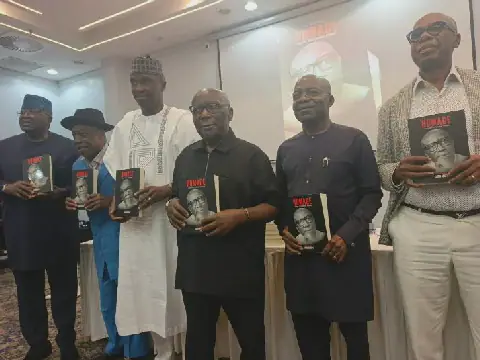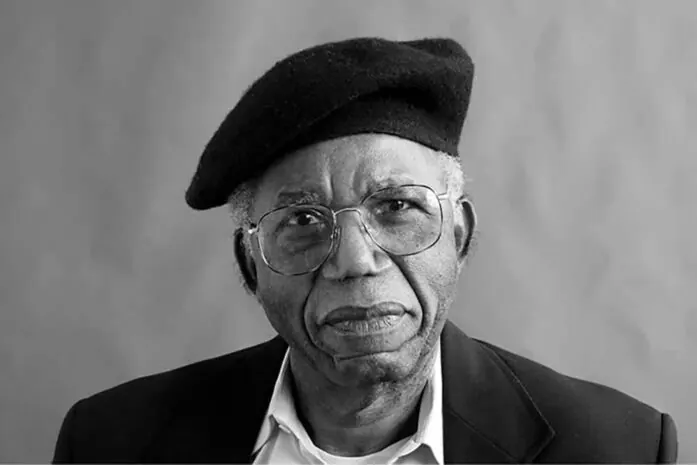
Acclaimed Nigerian author Chinua Achebe, known for his literary classic "Things Fall Apart", is being remembered and honoured posthumously. Achebe, one of the founding fathers of modern African literature, was an alumnus of the University of Ibadan. His contemporaries in the writing enterprise include notable authors such as Wole Soyinka, John Pepper Clark, and Christopher Okigbo. Achebe's works span all genres of literature, with a focus on prose.
Achebe's notable works, including "Things Fall Apart", "Arrow of God", and "No Longer At Ease", form a trilogy that explores the theme of culture contact resulting from British colonization in Nigeria. These novels are considered anthropological works that encapsulate Igbo cosmology and cultural practices. Achebe's writing career was marked by numerous accolades, including being tipped for the Nobel Prize in Literature, although he never received it during his lifetime.
Beyond literature, Achebe was also a politician who played a significant role in the Nigeria-Biafra civil war. He served as an emissary of peace for Biafra and was an active member of the People's Redemption Party (PRP) in the second republic. Achebe's involvement with the PRP, a party with socialist leanings, demonstrated his empathy for the poor. His rejection of national honours in the fourth republic, due to the poor state of governance in his home state of Anambra, was a testament to his commitment to good governance.
Following Achebe's death, several posthumous honours have been bestowed upon him. An airport in Aguleri, Anambra State, has been named after him, and a library at the Idemili North LGA headquarters in Ogidi bears his name. Recently, Governor Chukwuma Soludo of Anambra State unveiled a statue of Achebe at the Ugwu Nwasike roundabout in Ogidi. However, the statue has sparked public outrage due to its perceived lack of resemblance to the legendary writer.
The unveiling of the statue has generated mixed reactions, with some people expressing disappointment and others downplaying its sculptural imperfections. Despite the controversy, the statue serves as a symbol of Achebe's enduring legacy. Columnist Chiedu Uche Okoye has called for the institution of a literary prize in Achebe's honour, which would encourage young writers to emulate his literary excellence.
Okoye believes that the Chinua Achebe literary prizes would inspire a new generation of writers to follow in Achebe's footsteps. He also suggests that educational institutions should be named after Achebe, serving as bastions of the ideals and virtues he embodied. By doing so, his legacy would be preserved for years to come.
The proposal for a literary prize in Achebe's honour has resonated with many, who believe it would be a fitting tribute to his contributions to African literature. As Nigeria and the world continue to celebrate Achebe's life and works, his legacy serves as a reminder of the power of literature to shape cultural identity and promote social change.
Key points
- Columnist Chiedu Uche Okoye advocates for a literary prize in honour of Chinua Achebe.