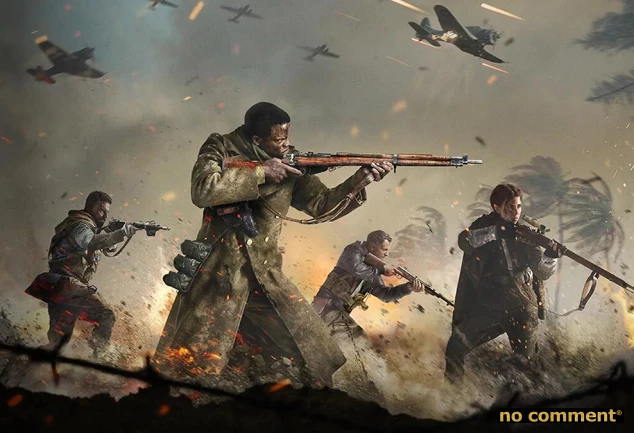
Activision has released a new version of its popular first-person shooter game, Call of Duty, every year for nearly 20 years. The latest installment, Call of Duty: Vanguard, was released on November 5, 2021, for various platforms, including Xbox Series, PlayStation 4, PlayStation 5, Xbox One, and Microsoft Windows. Despite its popularity, the game's reception has been underwhelming, with many influencers and players expressing disappointment.
The game's viewership on Twitch, a popular live-streaming platform, has been particularly low, with around 60,000 spectators, far below the expected 200,000. This is a significant drop compared to other popular games, and it may indicate a decline in interest in the Call of Duty series. Despite this, the game's sales figures have been satisfactory, according to reports.
One possible reason for the game's underwhelming reception is the pressure on game developers to produce a new game every year. This can lead to rushed development and a lack of innovation, resulting in a game that fails to meet player expectations. The game's developer, Sledgehammer Games, may have faced challenges in meeting the demands of Activision, the game's publisher.
The Call of Duty series has been a major player in the gaming industry for nearly two decades, with a loyal fan base. However, the series' annual release cycle may be starting to show its age, with some players and critics calling for a change in the way the games are developed and released. The game's integration with Warzone, a popular battle royale game, may help to revitalize interest in the series.
Eymeric Radilofe, a gaming expert, gave the game a rating of 5/10, stating that it is a victim of the system, which prioritizes annual releases over quality and innovation. The game's lackluster reception may be a wake-up call for Activision and other game developers to rethink their approach to game development and release.
The gaming industry is highly competitive, with many popular franchises vying for attention. The Call of Duty series has been a major player in this market, but its latest installment has failed to generate the same level of excitement as previous games. It remains to be seen how the series will evolve in the future and whether it can regain its former popularity.
The game's release has sparked a wider conversation about the gaming industry and the pressures faced by game developers. As the industry continues to evolve, it will be interesting to see how game developers and publishers respond to changing player expectations and the increasing demands of the market. One thing is certain, however: the Call of Duty series will continue to be a major player in the gaming industry for years to come.
Key points
- The game's underwhelming reception may be a sign of fatigue with the annual release cycle of the Call of Duty series.