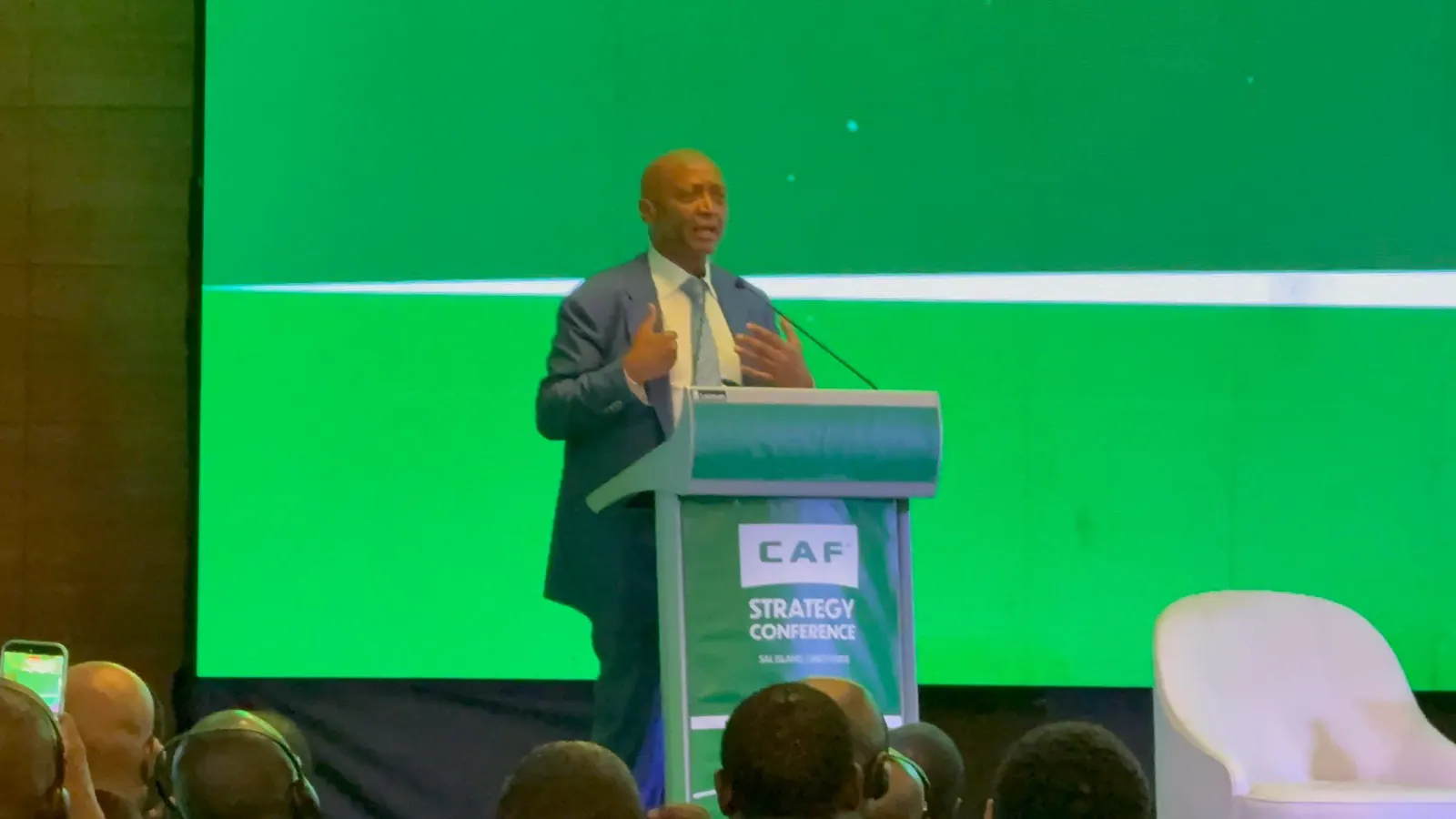
The Confederation of African Football (CAF) is reconsidering its decision to move the Africa Cup of Nations (AFCON) to a four-year cycle, CAF President Patrice Motsepe has revealed. Speaking in a briefing, Motsepe said the biennial format is officially under review. This comes after months of backlash from coaches, fans, and former players who opposed the change.
In a surprise move, Motsepe announced that CAF would move AFCON to a four-year cycle, similar to the European Championship, starting from 2028. The decision was made to synchronize with the global FIFA calendar, reduce club-vs-country conflicts with European clubs, and give hosts more preparation time. However, the move was met with heavy criticism across the continent, with many accusing CAF of caving to pressure from FIFA and European clubs.
One of the main reasons for the reversal is financial pressure, as AFCON is CAF's biggest source of revenue and vital income for member federations. The annual African Nations League, announced to replace AFCON, has not yet secured comparable commercial deals. Additionally, fan demand has played a significant role, as the biennial AFCON has been the continent's flagship tournament since 1968 and is seen as the heartbeat of African football.
Competitive access is another factor, with plans to expand AFCON from 24 to 28 teams. A four-year wait would mean many nations miss out for long periods. No final decision has been made yet, and CAF's Executive Committee is expected to make a final recommendation after consultations with federations, players' unions, and FIFA before the 2027 qualifiers begin.
If approved, AFCON would return to a 2029, 2031 cycle instead of the planned long gap until 2032. This would mean that the tournament would regain its traditional biennial format, which has been in place since its inception in 1968. The potential change has sparked mixed reactions, with some welcoming the return to the traditional format and others expressing concerns about the impact on the football calendar.
CAF's decision to reconsider the format has been seen as a positive move by many fans and stakeholders. The tournament has a rich history and is a major event in the African football calendar. The potential return to a biennial format is expected to bring back the excitement and competitiveness that has been associated with AFCON over the years.
The final decision on the format of AFCON will be made after consultations with various stakeholders. CAF is expected to weigh the pros and cons of each format and make a decision that is in the best interest of African football. The outcome will have a significant impact on the future of the tournament and the sport as a whole in Africa.
Key points
- CAF President Patrice Motsepe says the Africa Cup of Nations could return to a biennial format.
- The potential change is due to financial pressure, fan demand, and competitive access.
- A final decision will be made after consultations with federations, players' unions, and FIFA.