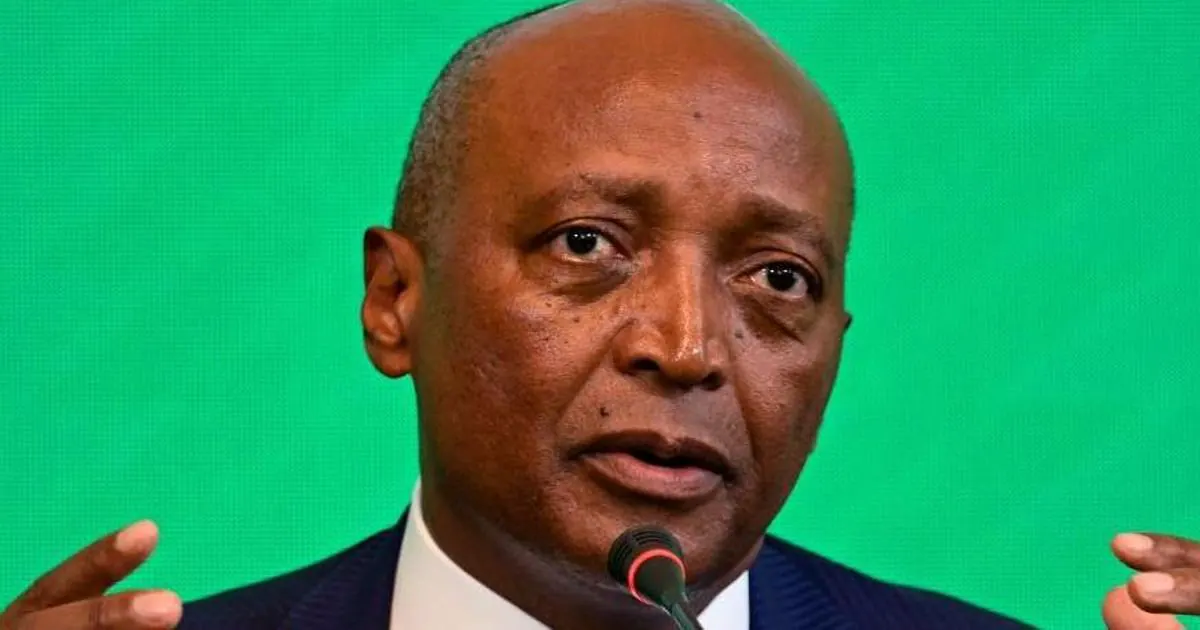
The Confederation of African Football (CAF) is reviewing its plans to move the African Cup of Nations (AFCON) to a four-year cycle, potentially paving the way for a return to the traditional two-year format. CAF President Patrice Motsepe disclosed this development during the organisation's Strategy Conference in Cape Verde on October 9, 2026. The review may lead to changes in the tournament's schedule, but no final decision has been announced.
The 2027 AFCON remains scheduled for Kenya, Tanzania, and Uganda, while CAF's proposed four-year plan included another tournament in 2028. Initially, CAF announced in December 2025 that AFCON would move from a two-year cycle to a four-year schedule after the 2028 edition. The change aimed to align African international football with the global football calendar and reduce clashes between national-team competitions and club football.
Patrice Motsepe confirmed that discussions have taken place regarding the possibility of reverting to a biennial AFCON schedule. While no official announcement has been made, Motsepe hinted that various issues were considered during the Strategy Conference. The CAF president owns the majority shares at TymeBank and has significant influence in African football.
The proposed four-year plan would have seen the next tournament after 2028 scheduled for 2032. However, with the possibility of a return to a two-year cycle, this schedule may be subject to change. CAF also announced the creation of an African Nations League, expected to begin in 2029, providing a major annual competition for African national teams outside FIFA World Cup years.
The African Cup of Nations has traditionally been held every two years since 1968, growing into one of the most celebrated football competitions on the continent. A return to the biennial schedule may be seen as a move to prioritize African football interests, including financial sustainability and growth.
While FIFA may not be entirely in favour of the move, CAF must balance its own interests with those of the global football governing body. African football must also look after its own interests, including financial sustainability and growth. The final decision on the AFCON schedule is still pending.
The review of the AFCON schedule is part of CAF's efforts to develop African football. The organisation's Strategy Conference in Cape Verde provided a platform for discussions on the future of African football. Key stakeholders, including Motsepe, are working to find a solution that benefits the continent's football community.
Key points
- CAF reviews plans to move AFCON to a four-year cycle, considers return to two-year format.
- 2027 AFCON scheduled for Kenya, Tanzania, and Uganda remains unchanged.
- CAF aims to balance its interests with those of FIFA and the global football community.