As the 2026 presidential elections approach in Cabo Verde, citizens are sharing their expectations for the next President of the Republic. According to a recent survey by Expresso das Ilhas, Cabo Verdeans want a President who can listen to their concerns, be close to the communities, and defend national interests. The respondents also emphasize the need for a leader with the ability to engage in dialogue with different political forces. This perspective is shared by various individuals across the country, including sociólogo Elisio Semedo, who stresses the importance of a President who can interpret the international context and anticipate potential consequences for the country.
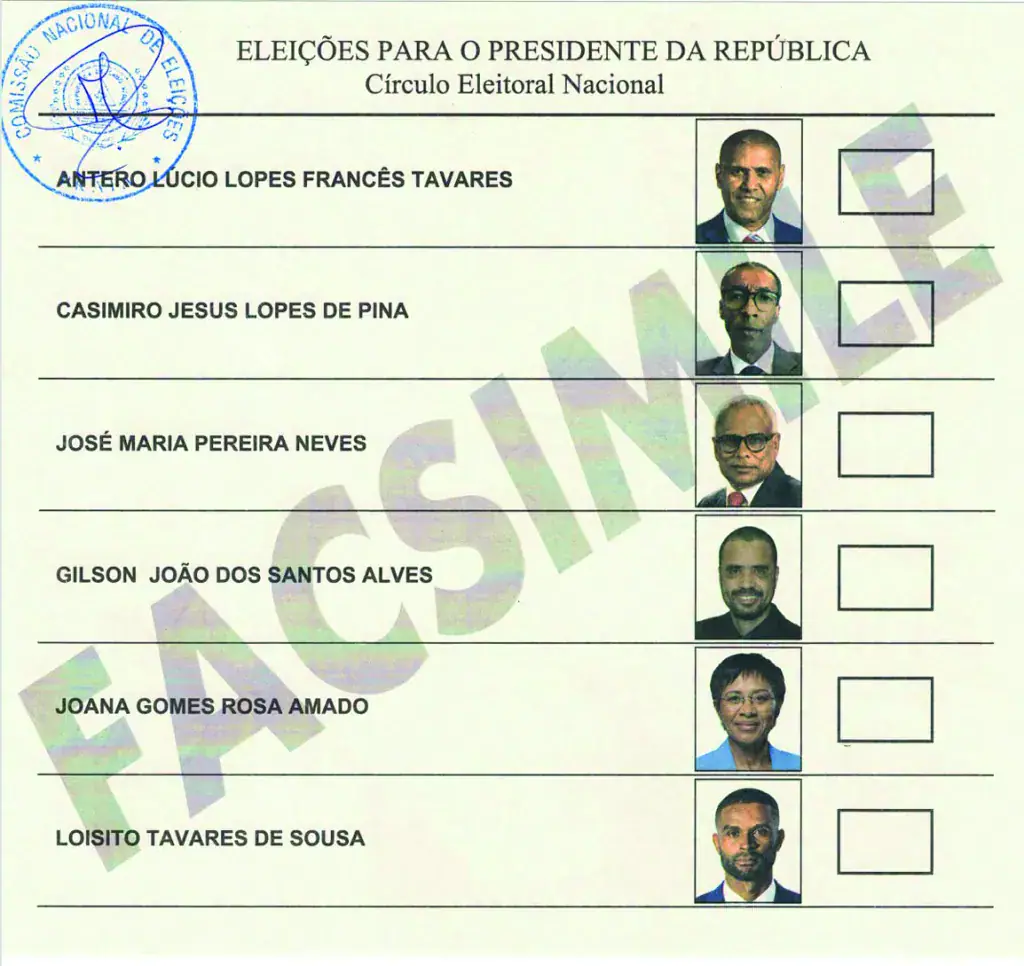
Elisio Semedo, a sociólogo from Praia, questions the ease with which individuals can run for the presidency, given the liberal requirements outlined in the Constitution of the Republic. He notes that the current system allows almost any citizen to candidiate, without requiring specific educational qualifications or moral and ethical standards. Semedo believes that only three of the six current candidates meet the minimum requirements necessary for the position. He emphasizes that the next President should be able to interpret the international context, anticipate potential consequences, and ensure the country's interests are represented.
Raphael Ferreira, president of the youth association B Bright, has a different perspective on what the next President should prioritize. He believes that the President should be closer to the youth and be willing to listen to their concerns. Ferreira argues that many of the country's challenges are related to youth, and therefore, the President should be more engaged with this demographic. He also advocates for a more proactive Presidency that engages with communities, rather than simply waiting for citizens to visit the Presidential Palace.
In Assomada, Hélder Tavares shares similar views on the role of the next President. He expects the President to be more conscious and active in addressing the real problems faced by citizens. Tavares believes that the President can act as a spokesperson for the population, bringing their concerns to the decision-making organs and promoting debate on potential solutions. He also stresses the importance of the President being able to dialogue with all political forces, without being partisan, and prioritizing the interests of citizens.
Evelise Furtado, a student of International Relations and Diplomacy at the University of Cabo Verde, has her own expectations for the next President. She believes that the President should be a guarantor of democratic stability and balance between the organs of sovereignty. Furtado argues that the President should preserve Cabo Verde's international credibility as a consolidated democracy, while also addressing internal challenges such as unemployment, emigration, and the cost of living. She also advocates for a more attentive Presidency to the diaspora and the challenges of external policy.
The perspectives shared by these individuals highlight the diverse expectations Cabo Verdeans have for the next President. While there are varying opinions on the specific qualities and priorities required for the role, there is a common desire for a leader who can engage with citizens, defend national interests, and promote dialogue with various stakeholders. As the country prepares for the 2026 presidential elections, it remains to be seen which candidate will best meet these expectations.
Ultimately, the next President of Cabo Verde will play a crucial role in shaping the country's future. The expectations shared by citizens, such as Elisio Semedo, Raphael Ferreira, Hélder Tavares, and Evelise Furtado, provide valuable insights into the qualities and priorities required for the position. As the electoral process unfolds, it is essential for candidates to consider these perspectives and demonstrate their ability to meet the needs and expectations of the Cabo Verdean people.
Key points
- The next President of Cabo Verde should be able to listen to citizens, defend national interests, and engage in dialogue with various political forces.