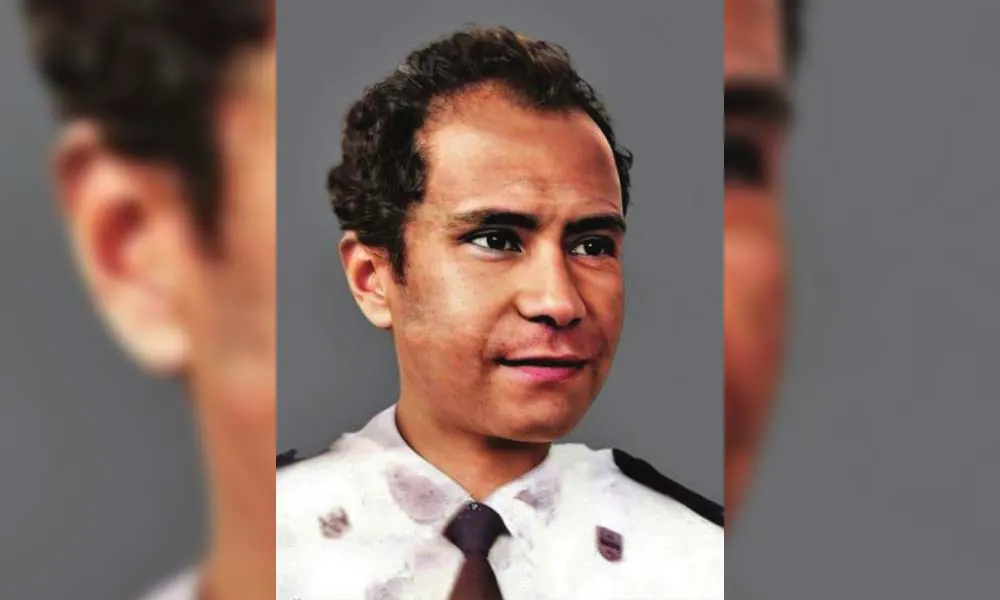
The 14th edition of the Portuguese Language Writers' Meeting, taking place in Praia, Cabo Verde, will pay tribute to Virgílio Avelino Pires, a renowned writer from the island nation. Pires' literary work is characterized by short stories that explore themes of poverty, hope, departure, and belonging. His writing often delves into the human condition, making his stories relatable and impactful. The event, which started today, aims to promote and celebrate the literary contributions of Pires and other writers.
Virgílio Avelino Pires was born on April 25, 1935, in Praia, Santiago Island, Cabo Verde. He was the third of eleven children born to Teresa Cabral Pires and Henrique Avelino Pires. Pires completed his primary studies at the 'Escola Grande' in Praia between 1942 and 1947. His experiences during his youth in Santa Catarina significantly influenced his writing, with many of his stories set in these locations.
Pires' literary talent was recognized early on by Baltasar Lopes, who published his short stories in the last two issues of the Claridade magazine. Lopes, a prominent figure in Cabo Verdean literature, also included Pires' work in the Antologia da Ficção Cabo-verdiana Contemporânea, a collection of contemporary Cabo Verdean fiction. This exposure helped establish Pires as a promising young writer.
After completing his secondary education, Pires joined the public administration and worked in São Vicente until 1960. He later moved to Praia, where he met his future wife, Maria de Lourdes Barbosa Amado. The couple had children and lived in various locations, including Assomada and Tarrafa. In 1964, Pires and his family relocated to Angola, where he worked as an administrator for nearly thirteen years.
During his time in Angola, Pires was stationed in various locations in the south and southeast of the country. However, in 1975, he was forced to abandon his post due to the occupation by a liberation movement. Pires returned to Angola in June 1976 and worked at the Catumbela Administrative Post until June 1977. His experiences during this period, including the separation from his wife and two children in 1971, had a profound impact on his writing.
Pires' poem "Natal no Exílio" (Christmas in Exile), written on December 22, 1981, reflects his longing for his children, whom he had been separated from for ten years. The theme of exile and longing is a recurring motif in Pires' work, reflecting his experiences and emotions. After Angola gained independence in 1975, Pires remained connected to the Angolan administration but eventually returned to Cabo Verde, only to leave again for Portugal due to reported disillusionment with the political climate.
According to José Cunha, author of a book about Pires, the writer was disappointed with the political situation in Cabo Verde after his return, finding it oppressive and restrictive of basic freedoms. This experience led to irreconcilable differences with the regime, contributing to his decision to leave. Pires' legacy as a writer continues to be celebrated, and his work remains an important part of Cabo Verdean literature.
Key points
- Virgílio Avelino Pires to be honored at 14th Portuguese Language Writers' Meeting in Praia.
- Pires' literary work explores themes of poverty, hope, and belonging.
- Pires' experiences in Angola and separation from his family influenced his writing.