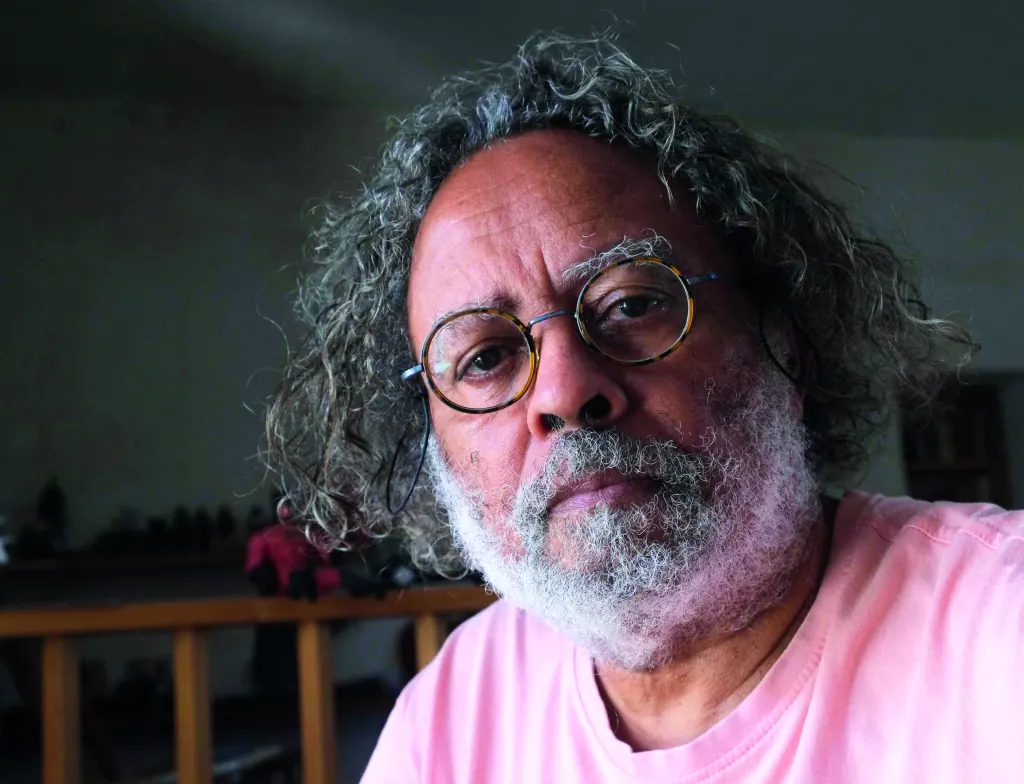
Former Minister of Culture and ex-rector of the M_EIA, Leão Lopes, has expressed concerns over the potential merger of the Universidade Técnica do Atlântico (UTA) and the Universidade de Cabo Verde (UNI-CV). Lopes believes that combining two institutions with different profiles and missions would be a mistake. The government has proposed the merger as part of a plan to rationalize resources, but Lopes argues that this would undermine the development of Cabo Verde.
Lopes emphasized that the UTA was created to address specific regional dynamics and has a unique mission focused on innovation, technology, and the economy. He fears that merging the UTA with UNI-CV would lead to the loss of its distinct identity and the abandonment of its goals. The UTA's focus on areas such as the blue economy, aeronautics, and tourism is particularly relevant to the development of the country.
The potential merger has sparked widespread concern in São Vicente, where the UTA is based. Lopes notes that the announcement has caused anxiety among students, parents, and the broader community. He believes that the government has not provided sufficient justification for the merger and that it would be a mistake to dismantle the UTA before it has had a chance to prove itself.
Lopes also expressed concerns about the broader implications of the merger for the country's education system. He argues that Cabo Verde needs institutions that can produce knowledge and not just offer courses. The UTA was established to address this need, and Lopes fears that its merger with UNI-CV would undermine this goal.
The government has cited the need to rationalize resources as a justification for the merger. However, Lopes argues that this is not a sufficient reason to dismantle an institution that has been established to address specific national needs. He believes that the government should focus on developing the UNI-CV and other institutions rather than merging them.
Lopes also highlighted the importance of considering the views of the private sector and civil society in shaping the country's education policy. He believes that the government has ignored the contributions of private universities and the investment of families and businesses in education.
The potential merger of the UTA and UNI-CV has sparked a wider debate about the future of education in Cabo Verde. Lopes argues that the country needs to think carefully about its education policy and ensure that it is aligned with its development goals.
Key points
- Leão Lopes opposes the merger of UTA and UNI-CV universities.
- The merger would undermine the UTA's unique mission and identity.
- Lopes believes that the government should focus on developing existing institutions rather than merging them.