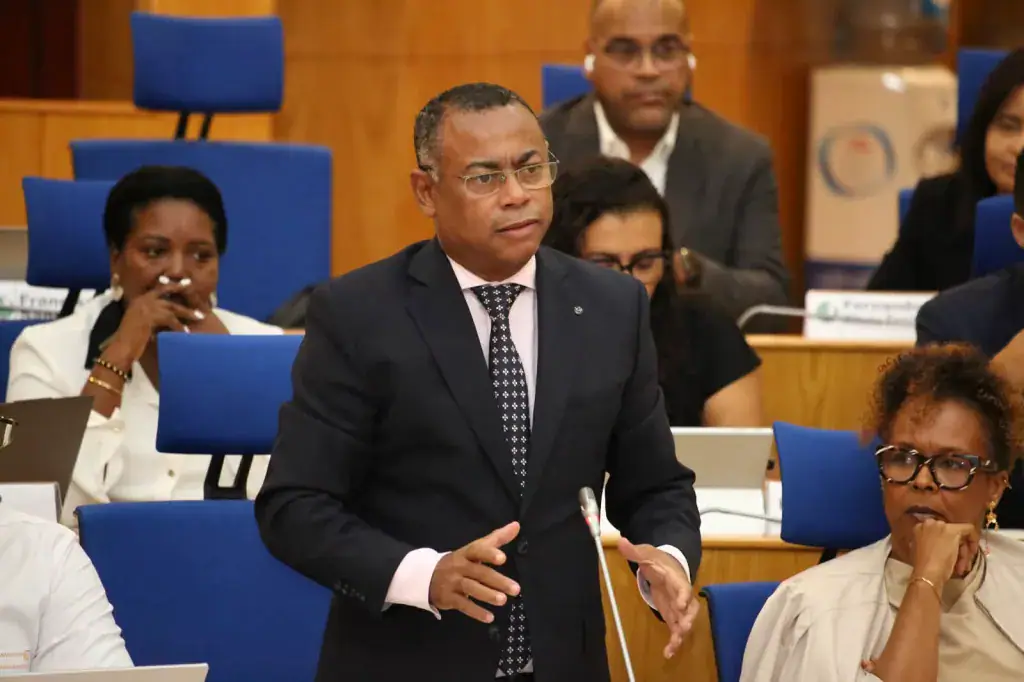
The leader of Cabo Verde's Movement for Democracy (MpD), Emanuel Barbosa, has questioned the government on updating the Income Tax brackets for individuals (IRPS) in response to rising inflation. During a parliamentary debate on the cost of living and economic competitiveness, Barbosa expressed concerns that families may end up paying more taxes as prices increase. He asked the Prime Minister if the government plans to adjust IRPS brackets according to inflation or let families pay more taxes silently.
Barbosa cited data showing that prices in October increased by 4.3% compared to the same month last year, the highest inflation rate since April 2023. He also noted that the cost of living rose by 1.4% between September and October, further burdening households. The MpD leader attributed the pressure on family income to the surge in fuel prices, with gasoline prices increasing by around 25% and diesel prices by over 45% since May.
Barbosa questioned the government's handling of additional fiscal revenue collected through Value-Added Tax (VAT) on fuel since July. He asked how much the state had collected and where the funds were being allocated. The MpD leader suggested that part of this revenue could be used to support sectors most affected by the fuel price hike and vulnerable families.
The MpD had previously proposed measures to mitigate the impact of rising fuel prices, including a fuel allowance for taxi and ride-hailing drivers, freezing tariffs, and direct support for artisanal fishing and low-income families. Barbosa estimated that these measures would cost around 143,000 contos per quarter and could be funded using the additional fiscal revenue without incurring new debt.
However, Barbosa accused the government and the ruling PAICV party of ignoring the MpD's proposal. He argued that the government's announced measures, such as maintaining the price of butane gas, supporting artisanal fishing, and providing free public higher education, were insufficient to address the daily struggles of families.
In response, PAICV deputy Vladmir Silves Ferreira defended the government's performance over its first five months in office, citing coherence between its commitments and priorities. Ferreira highlighted measures such as free public higher education, increased student enrollment, and debt forgiveness for students.
Ferreira also pointed to improvements in healthcare, including free public services, increased human resources, and better availability of medications and clinical supplies. He noted that the government had implemented measures to facilitate inter-island mobility, including capped air and maritime fares, and emphasized the importance of supporting civil society organizations and municipalities.
Key points
- The MpD is questioning the government's plan for updating IRPS brackets amid rising inflation in Cabo Verde.
- The government has implemented several measures to mitigate the impact of rising fuel prices and support vulnerable families.
- The PAICV party has defended the government's performance over its first five months in office, citing progress in areas such as education and healthcare.