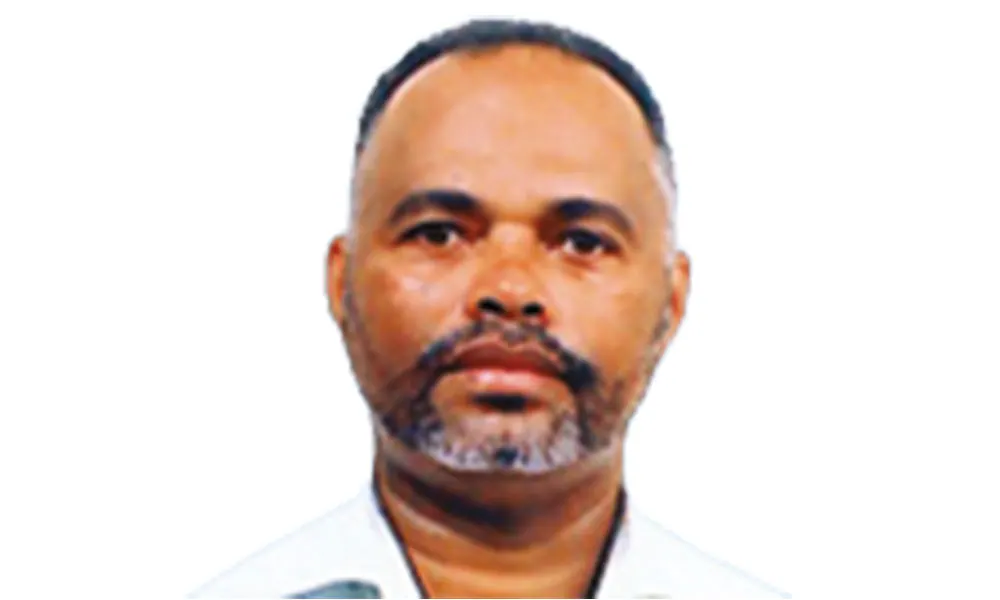
On October 3, 2026, Cabo Verde's Prime Minister Francisco Carvalho made a historic intervention at the United Nations General Assembly, speaking in Crioulo, the country's native language. This move was seen as a powerful gesture of identity and a demonstration of the nation's unique cultural heritage. Carvalho's speech was not just a political statement, but also a celebration of Cabo Verde's history, language, and way of life. By speaking in Crioulo, Carvalho took a significant step in promoting the country's cultural diversity and showcasing its rich heritage to the world.
The significance of Carvalho's speech lies in the fact that Crioulo is a language that was born out of the encounter between different cultures and has become an integral part of Cabo Verde's identity. The language has been recognized by UNESCO as a Masterpiece of the Oral and Intangible Heritage of Humanity. By speaking in Crioulo, Carvalho highlighted the importance of preserving and promoting linguistic diversity, which is essential for maintaining cultural identity. This move has also been seen as a way of asserting Cabo Verde's unique voice in the international arena.
The concept of "soft power" has been used to describe the influence that a country can exert through its culture, values, and language. Carvalho's speech was seen as a demonstration of Cabo Verde's soft power, showcasing the country's rich cultural heritage and its ability to engage with the international community in a unique and meaningful way. The use of Crioulo in the speech was a powerful symbol of Cabo Verde's identity and culture, and it has been seen as a way of promoting the country's interests and values.
The intervention by Carvalho has been widely seen as a significant moment in Cabo Verde's history, highlighting the country's unique cultural heritage and its contribution to the world's linguistic diversity. The speech has also been seen as a way of promoting Cabo Verde's interests and values, and of asserting the country's voice in the international arena. By speaking in Crioulo, Carvalho has shown that it is possible to communicate effectively and make a meaningful contribution to international discourse without having to conform to dominant languages.
The impact of Carvalho's speech goes beyond the moment of the intervention itself. It has sparked a wider conversation about the importance of linguistic diversity and cultural identity, and has highlighted the need for countries to promote their unique cultural heritage. The speech has also been seen as a way of promoting Cabo Verde's tourism industry, showcasing the country's rich cultural heritage and its unique identity.
The use of Crioulo in the speech has also been seen as a way of promoting linguistic diversity and cultural identity. The language has been recognized by UNESCO as a Masterpiece of the Oral and Intangible Heritage of Humanity, and its use in the speech has highlighted the importance of preserving and promoting linguistic diversity. This move has also been seen as a way of asserting Cabo Verde's unique voice in the international arena.
The intervention by Carvalho has been widely praised as a significant moment in Cabo Verde's history, highlighting the country's unique cultural heritage and its contribution to the world's linguistic diversity. The speech has also been seen as a way of promoting Cabo Verde's interests and values, and of asserting the country's voice in the international arena. As the world becomes increasingly interconnected, the importance of linguistic diversity and cultural identity will only continue to grow.
Key points
- Francisco Carvalho's speech at the UN General Assembly in Crioulo was a powerful gesture of identity and a demonstration of Cabo Verde's unique cultural heritage.
- The use of Crioulo in the speech highlighted the importance of preserving and promoting linguistic diversity, which is essential for maintaining cultural identity.
- The intervention has sparked a wider conversation about the importance of linguistic diversity and cultural identity, and has highlighted the need for countries to promote their unique cultural heritage.