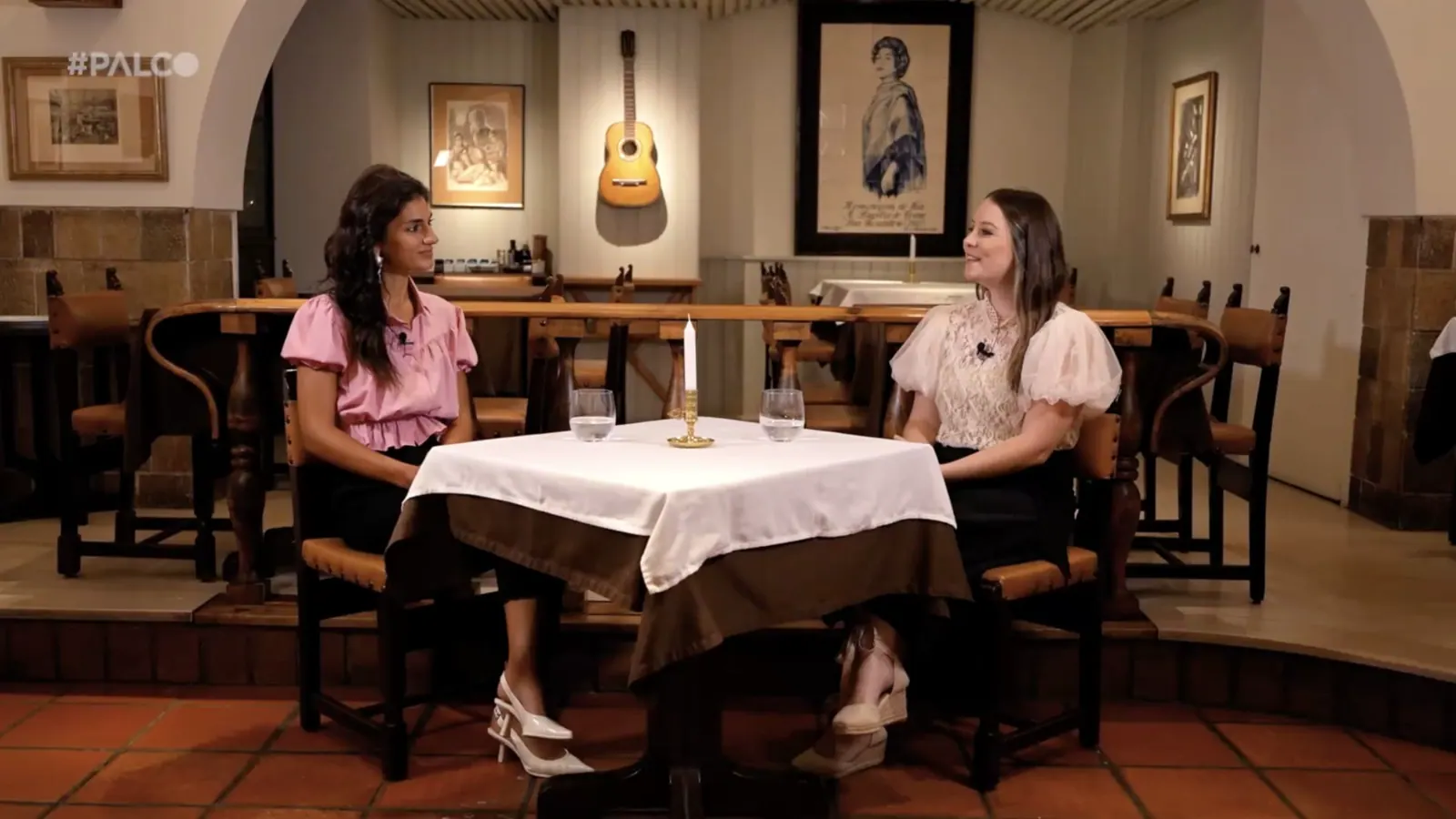
Cabo Verdean fado singer Diana Vilarinho has released her second album, 'Uma Carta Escrita', a personal and intimate work that explores themes of motherhood, family roots, and hope. The album marks a new chapter in her career, with a more mature and reflective sound. Vilarinho's music is deeply rooted in traditional fado, but she also experiments with new forms of expression. Her songs address topics such as identity, freedom, and responsibility.
Vilarinho's journey with fado began at a young age. At 15, she started performing in Lisbon's fado houses, which she considers essential schools for learning the genre. Through her interactions with experienced fadistas, guitarists, and musicians, she developed her artistic identity. These experiences not only taught her how to sing but also provided a human education, shaped by stories, encounters, and different ways of feeling fado.
The silence and attention that characterize fado performances are crucial to Vilarinho's music. She believes that creating an atmosphere of focus is vital for conveying the emotions of each song to the audience. Her debut album, released in 2021, reflected her roots and traditional fado background. Four years later, 'Uma Carta Escrita' presents a different perspective, shaped by her experiences, including motherhood, which has changed her outlook on life and her role in the world.
The album's themes are inspired by Vilarinho's personal life, including her relationship with her family, particularly her grandmother, who opens and closes the album with her voice. Her grandmother's story is a significant inspiration, exemplifying courage and resistance. Born in a Trás-os-Montes village, she faced limited freedom as a woman and chose to leave a difficult relationship for Spain, where she still lives.
Vilarinho's commitment to using music to address broader issues is evident in her song 'Cotovia', which she performed at the Festival da Canção. The song, written by Joana Alegre, was inspired by a conversation about the ban on women's voices in public in Afghanistan. 'Cotovia' became an expression of freedom, resistance, and the importance of giving women a voice.
'Uma Carta Escrita' was recorded at home, which allowed for a more organic and less controlled sound. Vilarinho sought to preserve elements like breathing, silences, and small imperfections that contribute to the human dimension of fado. The domestic setting also facilitated a more relaxed atmosphere among the musicians, creating a space closer to what she wanted to convey through her songs.
For Vilarinho, fado is an integral part of her identity and a way to express herself and understand the world. With 'Uma Carta Escrita', she continues to tell her story through music, transforming her concerns and experiences into songs that resonate with her audience.
Key points
- Diana Vilarinho's second album 'Uma Carta Escrita' explores themes of motherhood, family roots, and hope.
- The album marks a new chapter in Vilarinho's career, with a more mature and reflective sound.
- Vilarinho's music is deeply rooted in traditional fado, but she also experiments with new forms of expression.