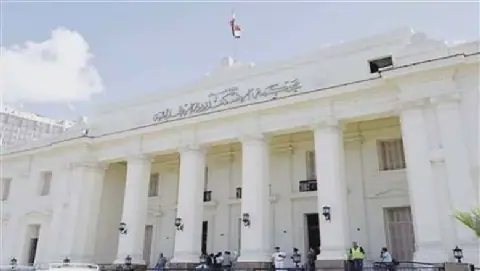
Cabo Verde marked a significant milestone on September 25, 1992, with the entry into force of its Constitution, signaling the country's transition to a democratic state. Thirty-four years later, the nation faces new challenges, and Olavo Freire, a prominent jurist, shares his insights on the state of democracy in Cabo Verde. According to Freire, while the country's democratic institutions are facing new tensions, they are a sign of health, proving that pluralism is alive.
Freire notes that Cabo Verde's Constitution is robust on paper, but the country's democracy still faces significant tests, including institutional resilience, ethical requirements, and the maturation of a democratic culture. He emphasizes that having a different opinion in Cabo Verde can sometimes lead to ostracism, indicating that the country still has a long way to go in consolidating its democratic values. The jurist cites the works of Ferdinand Lassalle, Konrad Hesse, and Hans Kelsen, influential thinkers who have studied the relationship between constitutions, power, and societal culture.
The transition from a one-party system to a democratic state in Cabo Verde was a significant leap, with the MpD party playing a crucial role in leading the transition and designing the 1992 Constitution. Freire argues that this new order has been a driving force for institutional transformation and citizen emancipation. However, he cautions that the consolidation of democracy is an ongoing process, measured by the daily confrontation between the constitutional design and political practice.
According to Freire, Cabo Verde's society has not yet fully internalized the values and principles of the 1992 Constitution. He invokes Hans Kelsen's theory, which emphasizes the importance of a strict hierarchy of norms, with the Constitution at the top, to ensure that political activity is subordinated to the rule of law. The jurist argues that a democratic culture requires a lived experience of democracy and the interiorization of the rule of law, which Cabo Verde still struggles with.
Freire identifies several critical areas that require attention to strengthen Cabo Verde's democracy, including the separation of powers, public oversight, and judicial independence. He also highlights the importance of civic participation, freedom of expression, and transparency in preventing the system from weakening from within. The jurist emphasizes that a consolidated democracy requires more than just peaceful elections and acceptance of the outcome; it demands a deeper level of maturity.
Despite Cabo Verde's reputation as a consolidated democracy, Freire sees several fragilities in the system, including the friction between the political and judicial powers. He argues that the country needs to ensure that the political power is subordinated to the existing norms and that the decisions of the judiciary are respected. This requires a cultural shift, where those in power interiorize the importance of operating within the bounds of the Constitution and the law.
As Cabo Verde continues to navigate its democratic journey, Freire's insights serve as a reminder of the importance of continued vigilance and efforts to strengthen the country's institutions. The jurist's call for a deeper understanding of the relationship between the Constitution, power, and societal culture is a timely reminder of the work that remains to be done to consolidate democracy in Cabo Verde.
Key points
- Cabo Verde's democracy is fragile and still evolving, with challenges including institutional resilience and the maturation of a democratic culture.
- The country's Constitution is robust on paper, but its implementation and the interiorization of its values by society remain a work in progress.
- Strengthening the separation of powers, public oversight, and judicial independence are critical to consolidating democracy in Cabo Verde.