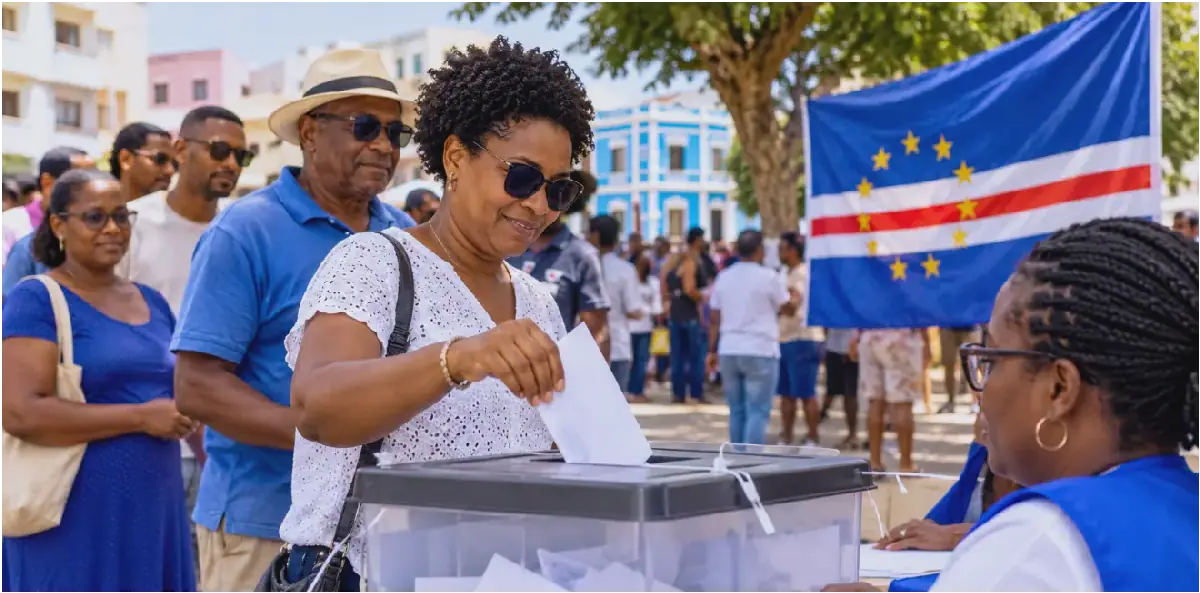
Cabo Verde is set to hold a presidential election on November 15, 2026, with incumbent José Maria Neves, backed by the African Party for the Independence of Cabo Verde, seeking a second term against Joana Rosa of the Movement for Democracy and four other candidates. The election takes place against the backdrop of a recent change in government, with the African Party for the Independence of Cabo Verde winning the May 2026 parliamentary election, ending a decade of rule by the Movement for Democracy.
The presidential election is significant, as it tests the balance of power between the presidency and the government, as well as the opposition's ability to hold the ruling party accountable. The country's semi-presidential system gives the president substantial political weight, with the power to veto legislation, request constitutional review, and dissolve parliament. The president also plays a key role in foreign affairs and national defense.
The two main contenders, Neves and Rosa, have distinct backgrounds and experiences. Neves previously served as prime minister between 2001 and 2016, while Rosa, a former minister of justice, is the first woman to run for president in Cabo Verde. They face stiff competition from Antero Tavares, Casimiro de Pina, Gilson Alves, and Loisito Sousa, who offer alternative options to the two dominant parties.
Voters in Cabo Verde have historically not used presidential contests to punish the governing party, with the exception of the 2011 and 2021 elections. A study published in 2019 found that every presidential election in the country was won by the candidate backed by the party that controlled parliament and the executive, except in those two instances.
The short interval between legislative and presidential elections may contribute to this phenomenon, as presidential contests often take place during the governing party's post-election "honeymoon period". However, the upcoming election presents a different scenario, with Neves seeking re-election and potentially holding both the presidency and government under the same party.
If Neves secures re-election, it could facilitate cooperation between the presidency and government, but also raise questions about the president's independence from the government. On the other hand, a victory for Rosa would create a situation of divided leadership, with a Movement for Democracy-backed president working alongside an African Party for the Independence of Cabo Verde government.
Cabo Verde has experience with divided leadership, with Neves dealing with a Movement for Democracy government between November 2021 and June 2026. Despite partisan differences, relations were generally characterized by institutional cooperation rather than open confrontation. The outcome of the election will have significant implications for the country's governance and balance of power.
Key points
- The presidential election in Cabo Verde tests the balance of power between the presidency and government.
- Incumbent José Maria Neves seeks re-election against Joana Rosa and four other candidates.
- The election outcome will impact the country's governance and balance of power.
Reporting sources
- Cabo Verde Votes for President as Neves Seeks Second Term Against Rosa · West Africa News Agency