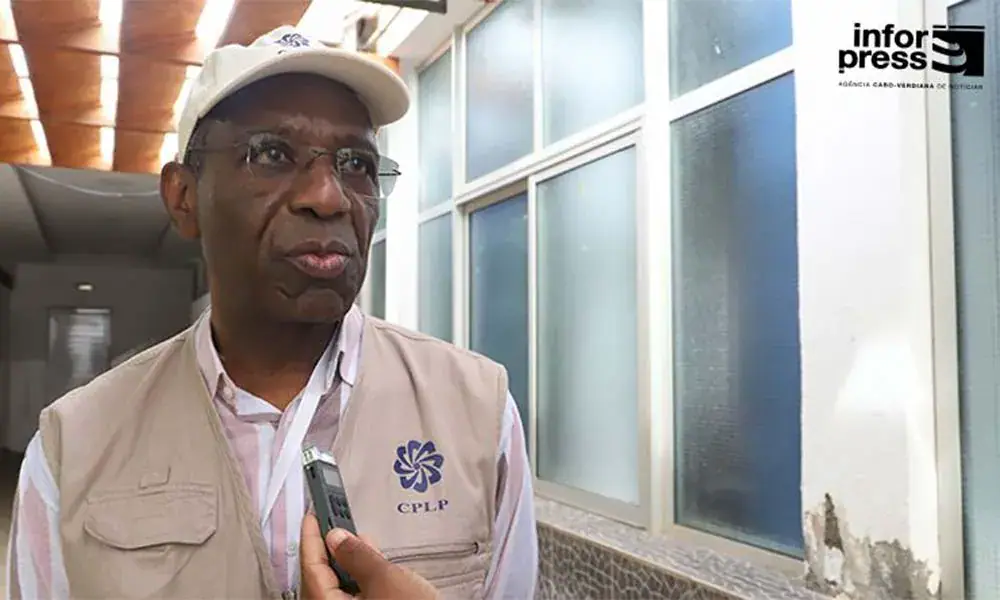
The head of the CPLP observer mission, Carlos do Rosário, has expressed satisfaction with the initial stages of the presidential election in Cabo Verde, describing the atmosphere as tranquil and serene. He noted that citizens are exercising their right to vote without any pressure, and the process is unfolding smoothly. The mission has visited several polling stations and observed no significant issues with the setup or functioning of the voting process.
According to Carlos do Rosário, the voter turnout could be higher, but it is still early to make a definitive assessment. He acknowledged that the current turnout is not bad, but it could improve throughout the day. The CPLP observer mission will continue to monitor the election process to ensure its integrity and transparency. The mission's observations are crucial in ensuring that the election meets international standards.
The CPLP observer mission is part of a larger international effort to monitor the election. Over 200 observers from various organizations, including the Economic Community of West African States (ECOWAS), the African Union (AU), and the International Organization of La Francophonie (OIF), are present in the country to observe the voting process. Their presence aims to promote transparency and build trust in the electoral process.
Six candidates are vying for the presidency, including Antero Tavares, Casimiro de Pina, José Maria Neves, Gilson Alves, Joana Rosa, and Loisito Sousa. A total of 419,448 voters are registered to participate in the election, with 343,065 registered in Cabo Verde and 76,383 registered abroad. The voting process will take place from 08:00 to 18:00, and a second round of voting may be necessary if no candidate secures more than 50% of the valid votes.
Cabo Verde has a history of peaceful and orderly elections, and the current process appears to be following this tradition. The country's electoral commission has worked to ensure that the voting process is fair and transparent. The president is elected by universal and direct suffrage, and only a citizen of Cabo Verde by origin, who is at least 35 years old and has resided permanently in the country for the past three years, is eligible to run.
The election is a significant event in Cabo Verde's history, with implications for the country's future development. The country has had five presidents since gaining independence from Portugal in 1975, including Aristides Pereira, António Mascarenhas Monteiro, Pedro Pires, Jorge Carlos Fonseca, and José Maria Neves. The outcome of the election will determine the next president and shape the country's trajectory.
The CPLP observer mission's preliminary report suggests that the election process is on track, but the final assessment will depend on the outcome of the voting and the counting of ballots. The mission's findings will be crucial in determining the legitimacy of the election and ensuring that the winner is widely accepted by the international community and the people of Cabo Verde.
Key points
- The CPLP observer mission reports a peaceful and serene voting process in Cabo Verde's presidential election 2026.
- Over 200 observers from various international organizations are monitoring the election to promote transparency and build trust.
- The outcome of the election will determine the next president of Cabo Verde and shape the country's future development.