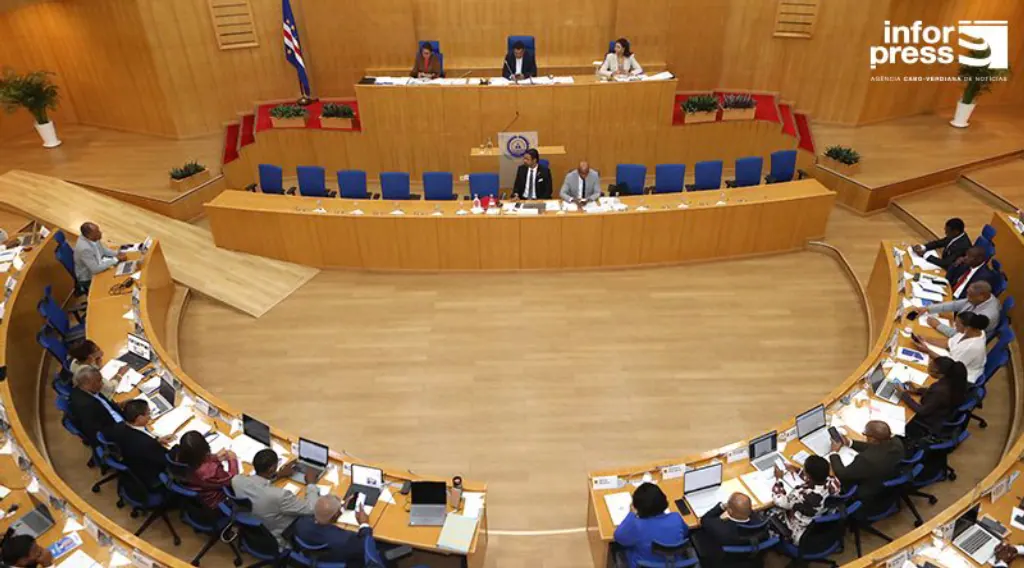
The Cape Verdean parliament has rejected a proposal by the opposition Movement for Democracy (MpD) to mitigate the impact of rising fuel prices in the country. The proposal, presented by MpD's parliamentary leader Luís Carlos Silva, aimed to reduce taxes on fuel, suspend the Road Maintenance Tax, and provide direct support to taxi and truck drivers. The ruling African Party for the Independence of Cape Verde (PAICV) voted against the proposal, sparking criticism from the opposition.
The MpD's Abraão Vicente criticized the PAICV's decision, accusing the ruling party of showing "insensitivity" towards the difficulties faced by Cape Verdeans. Vicente questioned the reasons behind the PAICV's rejection of the proposal, which he believed could have provided relief to citizens. In response, PAICV's Rosa Rocha accused the MpD of not being genuinely concerned about the situation of Cape Verdeans and defended the government's efforts to address the rising cost of living.
The Union for the Construction and Development of Cape Verde (UCID) also expressed disappointment over the rejection of the proposal. UCID's João Santos Luís argued that the parliament was the appropriate forum to discuss issues affecting citizens and that the rejection of the proposal was a missed opportunity for debate. Luís emphasized that the increase in fuel prices has a ripple effect on the prices of various products and services in the country.
The government, through the Minister of Parliamentary Affairs Clóvis Silva, stated that there is a law that establishes the parameters for implementing mitigation measures. According to Silva, any changes to these measures would require an amendment to the law. This response was seen as a justification for the PAICV's rejection of the proposal.
The debate over the proposal reflects the ongoing concerns about the rising cost of living in Cape Verde. The country has been experiencing economic challenges, and the opposition has been criticizing the government's handling of the situation. The rejection of the proposal has sparked concerns that the government may not be taking adequate measures to address the issue.
The PAICV's decision to reject the proposal has also been seen as a reflection of the party's stance on the issue of fuel price subsidies. The party has previously stated that it is in favor of adjusting the mechanism for fixing fuel prices, but it is unclear whether this will lead to any significant changes.
The rejection of the proposal has sparked a renewed debate about the need for the government and opposition to work together to address the economic challenges facing Cape Verde. The UCID's João Santos Luís has called for unity among political parties to address the issue, emphasizing that the country's problems require a collaborative approach.
Key points
- The Cape Verdean parliament has rejected a proposal to mitigate the impact of rising fuel prices, sparking criticism from the opposition.
- The ruling PAICV party voted against the proposal, citing concerns about the need for a law to establish parameters for implementing mitigation measures.
- The rejection of the proposal has sparked concerns about the government's handling of the rising cost of living in Cape Verde.