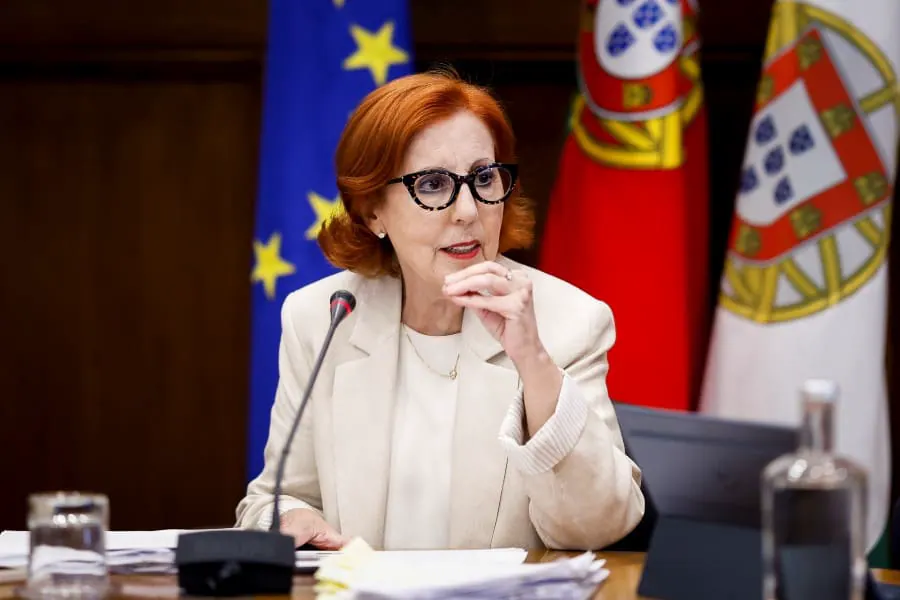
Cabo Verde's Energy Minister Maria da Graça Carvalho has urged the European Union to take a more active role in addressing the ongoing fuel crisis. Speaking to Portuguese journalists in Brussels after meetings with European Commission officials, Carvalho emphasized the need for a coordinated response adapted to the different realities of EU member states. She cited the EU's response to the 2022 Ukraine crisis as an example of effective coordination.
Carvalho expressed hope that the European Commission would adopt a similar approach to the current crisis, particularly in coordinating measures taken by EU countries and providing support to affected sectors. In Portugal, industries such as ceramics and glass are struggling to substitute gas with electricity due to high costs. Carvalho highlighted the risk of uneven responses among member states, which could create disparities within the EU's single market.
The European Commission has been monitoring national measures and advocates for temporary and targeted support to sectors most affected by the energy crisis. The Commission has also relaxed state aid rules to allow member states to support companies and sectors impacted by rising prices. Carvalho noted that the current energy crisis differs from the 2022 crisis, with Portugal's main challenge being the surge in fuel prices used in transportation and industry.
Carvalho criticized a recent letter from European Energy Commissioner Dan Jørgensen, which called on EU ministers to reduce gas and electricity consumption while necessary. She argued that the letter failed to reflect Portugal's specific situation, focusing primarily on reducing electricity and gas consumption for heating. Carvalho emphasized that the current crisis requires a more nuanced approach.
The minister dismissed the possibility of establishing new mandatory consumption reduction targets, similar to those implemented during the 2022 crisis. Instead, she advocated for a more flexible approach, allowing member states to adopt measures tailored to their specific needs. The European Commission has emphasized the importance of reducing demand and increasing energy efficiency to alleviate pressure on markets.
Carvalho also addressed the possibility of promoting telework to reduce energy consumption. She stated that any such measures would need to be discussed in the Council of Ministers, involving the Prime Minister and the Minister of Labor. Carvalho concluded that the government is monitoring the situation and will consider various options.
The fuel crisis has significant implications for Cabo Verde and other European countries. As the EU continues to navigate this challenge, Carvalho's call for a more active and coordinated response highlights the need for a unified approach to address the crisis. The European Commission's response to the crisis will be closely watched by member states and industries affected by the surge in fuel prices.
Key points
- Cabo Verde's Energy Minister Maria da Graça Carvalho urges EU to coordinate response to fuel crisis
- European Commission relaxes state aid rules to support sectors affected by rising prices
- Carvalho dismisses possibility of new mandatory consumption reduction targets