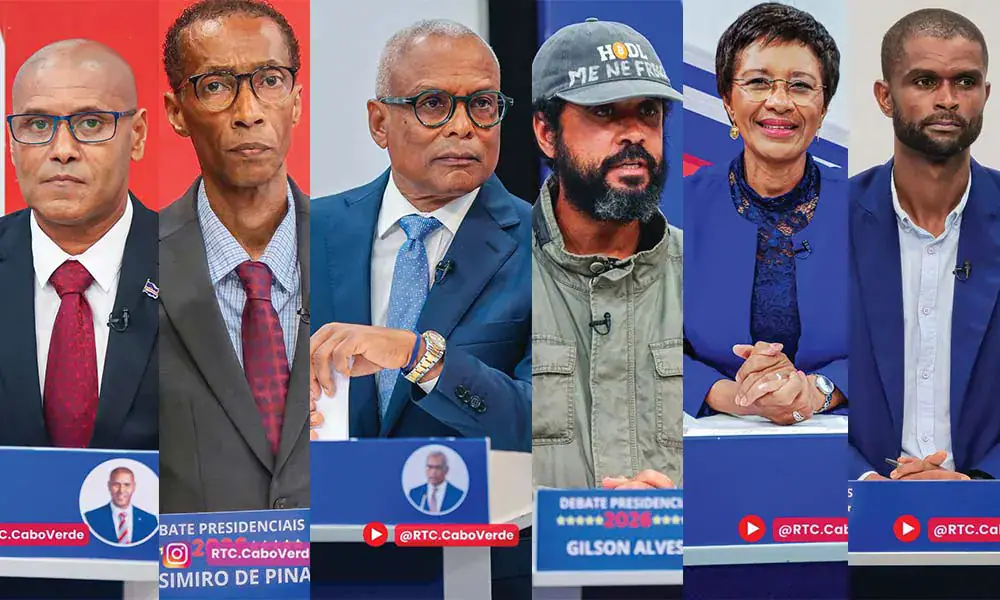
On November 15, 2026, citizens of Cabo Verde headed to the polls to participate in the country's eighth presidential election. This significant event marks a crucial milestone in the nation's democratic journey, which began with the first elections held in 1991. A total of six candidates are competing for the presidency, each presenting their unique vision for the country's future and the role of the head of state.
The six candidates include Antero Tavares, Casimiro de Pina, José Maria Neves, Gilson Alves, Joana Rosa, and Loisito Tavares. Antero Tavares, a 58-year-old judge from the Praia municipality, is running on a platform focused on social inclusion and sustainable development. His campaign emphasizes the need for a presidency that is more attuned to the concerns of citizens, particularly those in disadvantaged communities.
Casimiro de Pina, a 52-year-old lawyer from the Mosteiros municipality on the island of Fogo, is another contender. His campaign centers on promoting legality, transparency, and accountability in public administration. De Pina advocates for stricter oversight of state institutions and a crackdown on corruption, which remains a pressing concern for many citizens.
Incumbent President José Maria Neves, 66, is seeking re-election, citing his experience and commitment to consolidating democracy in Cabo Verde. His campaign focuses on continuity and stability, emphasizing the importance of preserving the country's democratic gains. Neves has promised to continue playing a moderating role in the political system and upholding the Constitution.
Gilson Alves, a 45-year-old surgeon from the Porto Novo municipality on the island of Santo Antão, is running on a platform of radical change. His campaign targets young people and those disillusioned with the current system, promising a transformation of the country's socioeconomic landscape. Alves advocates for a more responsive and accountable government.
Joana Rosa, a 61-year-old jurist from the island of Maio, is the first woman to run for president in Cabo Verde. Her campaign prioritizes modernizing the judicial system, promoting social cohesion, and advancing gender equality. Rosa's platform emphasizes the need for institutions that are more accessible and responsive to citizens' needs.
Loisito Tavares de Sousa, a 40-year-old historian from the Tarrafal municipality on the island of Santiago, is the youngest candidate in the race. His campaign focuses on promoting political renewal and empowering local communities. Tavares de Sousa aims to provide an alternative to the traditional political establishment and amplify the voices of ordinary citizens.
Key points
- The election marks a significant milestone in Cabo Verde's democratic journey, which began with the first elections held in 1991.
- Six candidates are competing for the presidency, each with distinct visions for the country's future.
- The candidates' platforms address various issues, including social inclusion, transparency, and economic development.