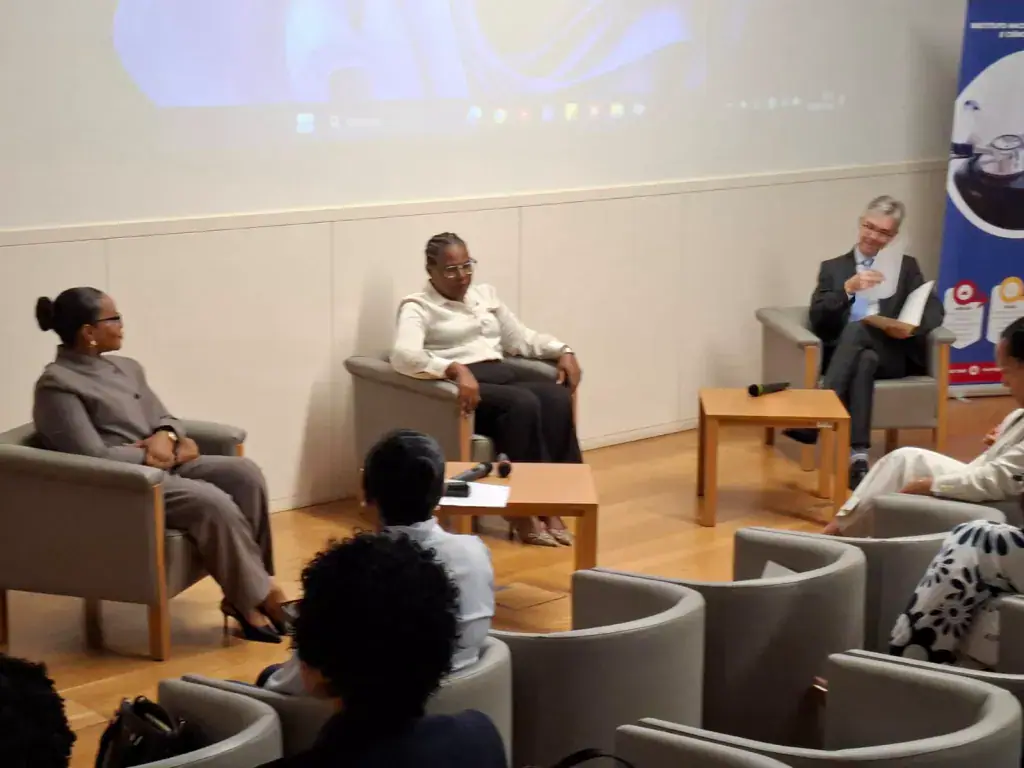
The government of Cabo Verde is calling for a more robust and coordinated approach to address Female Genital Mutilation (FGM). According to Minister of Family, Inclusion, and Social Development, Adélsia Almeida, a comprehensive understanding of the cultural factors behind FGM is crucial for effective prevention and intervention. This stance was presented during the opening of a training session organized by the National Institute of Forensic Medicine and Sciences.
The training session, which brings together around 140 participants from various sectors including health, justice, education, social protection, and security, aims to enhance the skills of professionals and promote coordinated action among institutions and society. Minister Almeida stressed that preventing FGM requires not only strengthening professional competencies but also a deeper understanding of the cultural contexts in which the practice occurs.
This initiative is part of the government's efforts to tackle FGM, a serious violation of human rights that affects women and girls. The Ministry emphasizes the need for institutional commitment, awareness-raising, and joint action to ensure the protection of vulnerable populations. By engaging multiple sectors, the government seeks to identify risk situations and protect victims more effectively.
The training session is a collaborative effort between various institutions, including the National Institute of Forensic Medicine and Sciences and the High Authority for Immigration. Participants will engage in discussions and activities designed to enhance their understanding of FGM and its implications, as well as strategies for prevention and intervention.
FGM is a deeply ingrained practice in some communities, driven by cultural and social norms. Understanding these factors is essential for developing effective strategies to combat the practice. The government's approach acknowledges the complexity of the issue and the need for a multifaceted response that involves not only government agencies but also civil society.
The commitment to addressing FGM is part of Cabo Verde's broader efforts to promote human rights and gender equality. The government has been working to strengthen its legal and institutional frameworks to prevent and respond to violence against women and girls. This includes initiatives to raise awareness about FGM and other forms of violence against women.
The fight against FGM requires sustained efforts and commitment from all stakeholders. The government's initiative has garnered support from various sectors, and the training session is seen as a crucial step towards building a coordinated response to the issue. By working together, Cabo Verde aims to make significant progress in eliminating FGM and protecting the rights of women and girls.
Key points
- The Cabo Verde government is advocating for an integrated response to combat Female Genital Mutilation.