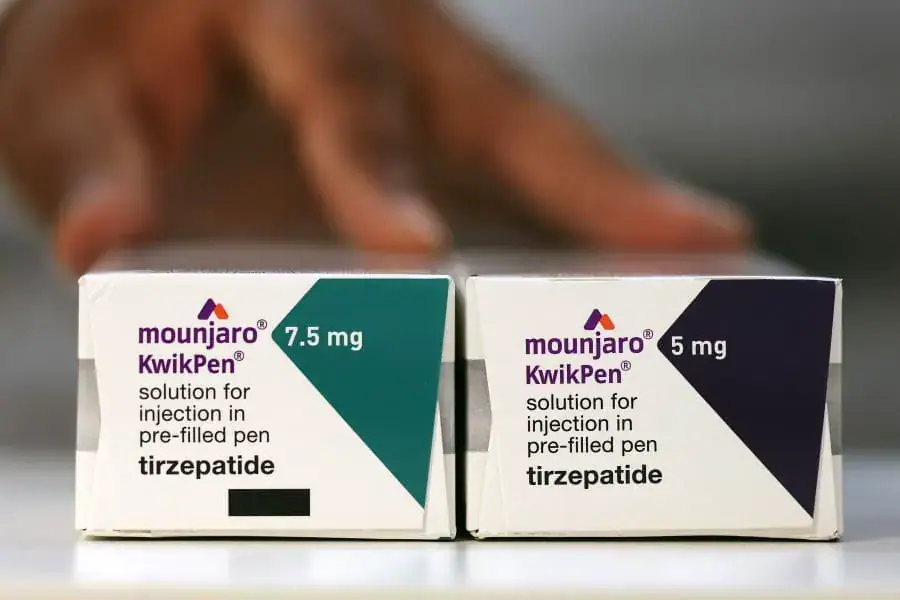
The Cabo Verde Association, UMG, has called for caution in making decisions about funding obesity medications. According to UMG, the recent approval of injectable medications for obesity and diabetes requires careful consideration. The association's president, António Oliveira Andrade, emphasized that users should not stop therapy on their own and should consult their doctor or pharmacist. This comes after the European Medicines Agency (EMA) announced an investigation into potential side effects of these medications.
The EMA is currently reviewing procedures to include information on a possible side effect that can cause blindness. This investigation follows warnings issued by the US Food and Drug Administration (FDA) about the potential risk of non-arteritic anterior ischemic optic neuropathy (NAION). The FDA has announced new safety warnings for medications used to treat diabetes and obesity. UMG is awaiting the EMA's conclusions and encourages users to report any suspected adverse reactions to healthcare professionals.
UMG's António Oliveira Andrade stressed that these medications have only recently been introduced and their safety profile is still being consolidated. He called for public decisions to be made with caution, suggesting that the government consider compulsory licenses before funding these medications long-term. Compulsory licenses allow the government to permit third-party manufacturers to produce or market patented medications without the patent holder's consent.
The use of compulsory licenses aims to ensure access to healthcare and protect public interests. In October, Andrade stated that recognizing obesity as a public health priority should be accompanied by an evaluation of available legal instruments to ensure broader and more sustainable access to treatments. UMG notes that a 15% co-payment for obesity medications does not address access barriers, as these treatments are expensive.
According to estimates, a 15% co-payment for obesity medications could result in public spending of €46.8 million in the first year. In contrast, a 90% co-payment could lead to estimated spending of around €2 billion. UMG advocates for maximum transparency in pharmacovigilance and for the state to continuously reevaluate the cost-benefit ratio of funded treatments.
The association's concerns highlight the complexities of balancing access to necessary medications with financial sustainability. As the EMA and FDA continue their investigations, UMG's cautious approach underscores the need for careful consideration in healthcare decision-making. The association's recommendations aim to ensure that access to obesity treatments is both affordable and safe.
The Cabo Verde Association's call for prudence reflects the ongoing challenges in managing obesity as a public health priority. With ongoing investigations into potential side effects, the association's emphasis on caution and transparency serves as a reminder of the importance of rigorous evaluation in healthcare policy decisions.
Key points
- The association recommends compulsory licenses to ensure access to affordable obesity treatments.
Reporting sources
- Associação pede prudência nas decisões sobre medicamentos para obesidade · RecordTV Cabo Verde