The Associação de Utentes de Medicamentos Genéricos in Cabo Verde has called on the government to evaluate the possibility of mandatory licenses for obesity medications to reduce costs. The association's president, António Oliveira Andrade, stated that the current 15% co-payment for obesity medications is insufficient and that the government should consider all available legal instruments to ensure broader and more sustainable access to treatments. This request comes as the country grapples with the economic burden of obesity.
Obesity has been recognized as a public health priority, and the association believes that this recognition should be accompanied by measures to make treatments more accessible. The issuance of mandatory licenses, also known as "patent breaking," is a legal exception that allows third parties to manufacture or market patented medications without the patent holder's consent. This measure aims to safeguard public health and interest. Andrade emphasized that when there is a genuine interest in the patient's well-being, all obstacles must be overcome.
The association cites the example of diabetes, where the introduction of generic medications reduced the financial burden on patients by 14 times. They argue that a similar approach could be applied to obesity treatments, which are currently expensive and inaccessible to many. According to estimates, the 15% co-payment for obesity medications could result in a public expenditure of 46.8 million euros in the first year, while a 90% co-payment could reach nearly two billion euros.
The association's request is supported by a study published in the Obesity Facts journal, which estimated that the economic impact of excess weight and obesity in Portugal was 1.148 billion euros in 2018. A significant portion of this cost is associated with obesity-related diseases, such as cardiovascular and cerebrovascular diseases, and type 2 diabetes. The association stresses that obesity must be addressed not only as a public health issue but also as an economic challenge that requires prevention, treatment, and access to affordable medications.
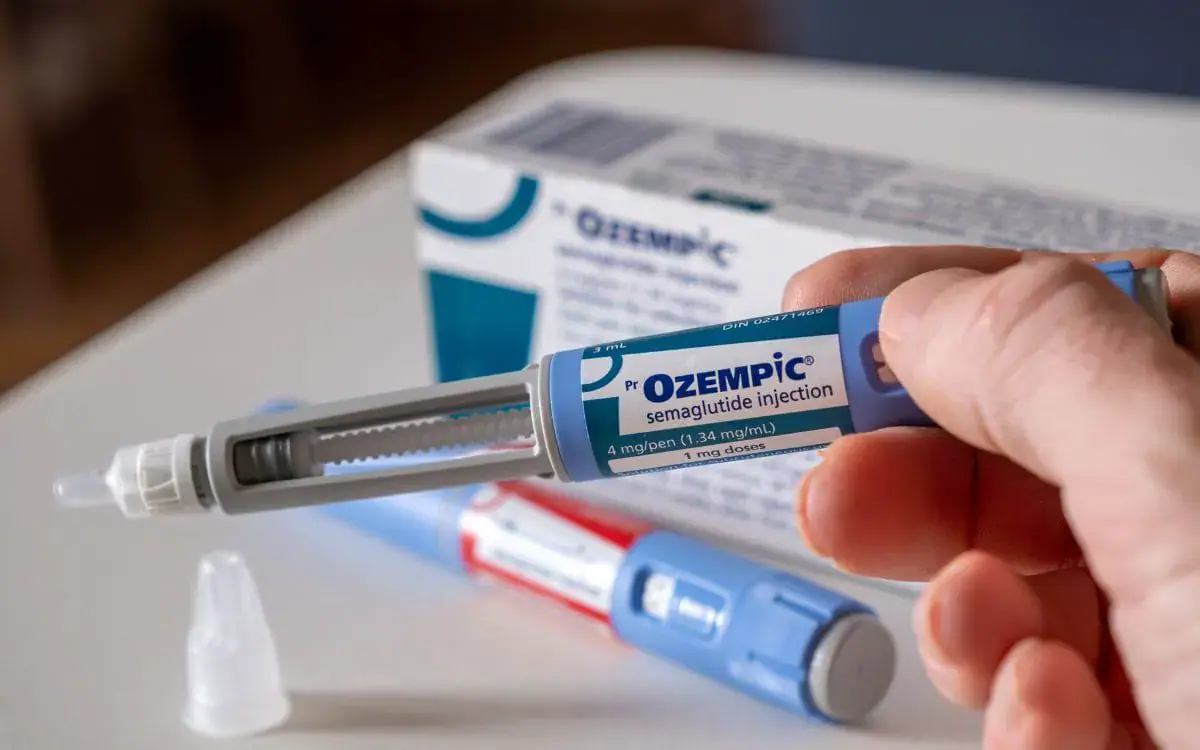
The association specifically mentions the semaglutida principle, used in medications for type 2 diabetes and obesity, and requests that the government evaluate mechanisms to facilitate the timely entry of more affordable alternatives. They point to Brazil as an example, where, after the patent expired, alternative medications were approved, and the first generic was approved in August. The association also highlights the cost reduction brought about by the introduction of generic dapagliflozina, a medication for type 2 diabetes.
Andrade emphasizes that the numbers demonstrate the need for action, as the financial burden of obesity and related diseases is substantial. He believes that the government's evaluation of mandatory licenses and other mechanisms could provide a solution to this problem. The association is seeking to balance the need for access to treatments with the financial sustainability of the National Health Service.
The Associação de Utentes de Medicamentos Genéricos is urging the government to take a proactive approach to addressing the issue of obesity and access to medications. By exploring all available legal instruments, including mandatory licenses, the government can help ensure that patients have access to affordable treatments and that the financial burden of obesity is reduced. This approach aligns with the country's goal of prioritizing public health and promoting sustainable healthcare solutions.
Key points
- The association requests that the government evaluate mandatory licenses for obesity medications to reduce costs.
- The current 15% co-payment for obesity medications is considered insufficient by the association.
- The introduction of generic medications for diabetes reduced the financial burden on patients by 14 times.