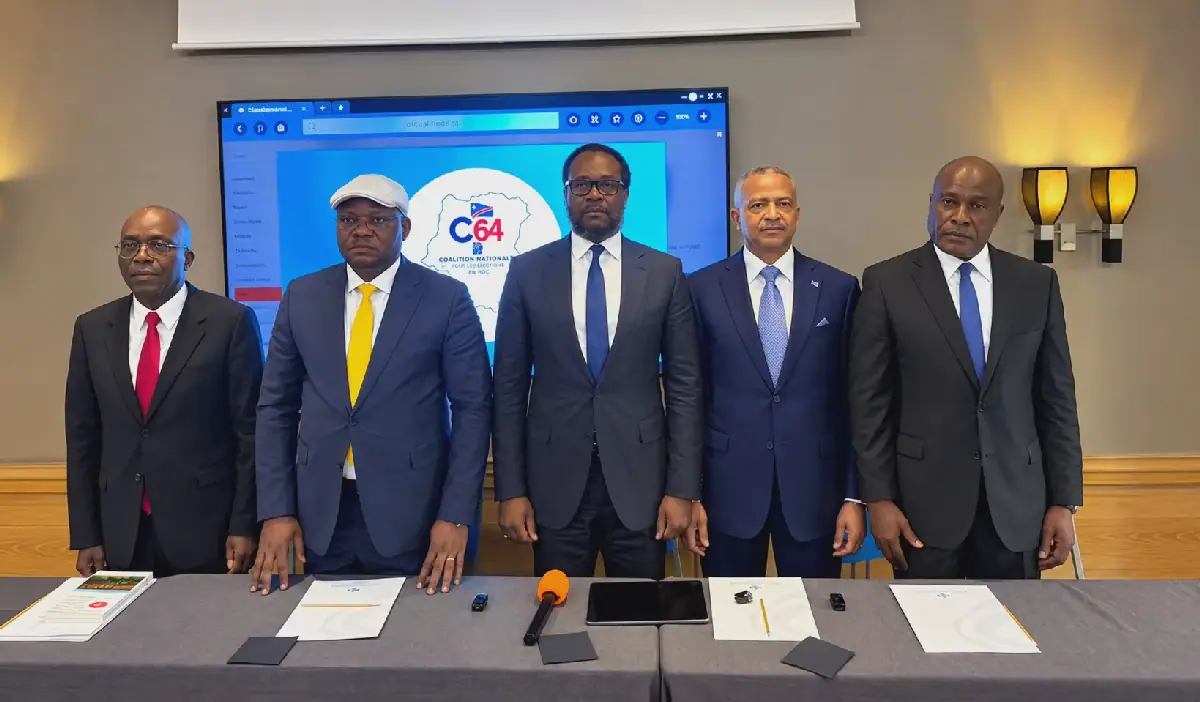
The Coalition Article 64 (C64), a platform of opposition groups in the Democratic Republic of the Congo, has announced its intention to play a mediating role in the country's ongoing political and security crisis. In a conclave held in Rome from October 25 to 27, 2026, the C64 decided to meet separately with President Felix Tshisekedi and his predecessor Joseph Kabila. The goal is to foster an inclusive national dialogue to address the country's institutional tensions, rivalries between political actors, and armed conflict in the east.
The C64's initiative comes amid ongoing debates about the national dialogue in the DRC. For months, efforts to establish a concertation framework that brings together key political and social forces have been hindered by deep divisions over participants, objectives, and prerequisites for discussions. The C64 believes that a lasting solution to the crisis cannot be achieved solely through military force or arrangements between a few political leaders. Instead, it advocates for an inclusive process that addresses the root causes of tensions.
The C64's approach involves a two-step process, starting with separate meetings with Tshisekedi and Kabila to assess their positions and explore possibilities for compromise. By engaging with the two main protagonists separately, the C64 aims to avoid exacerbating existing antagonisms and create an opportunity for constructive dialogue. However, it remains uncertain whether Tshisekedi and Kabila will accept the C64's overtures or participate in a process with unclear contours.
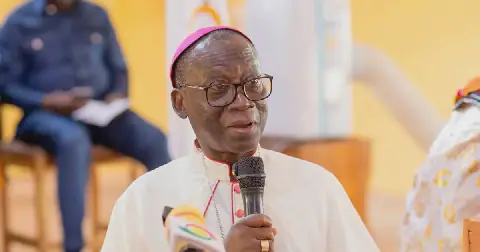
The C64's decision to engage with Tshisekedi and Kabila raises questions about the role of religious confessions in the crisis. The Catholic Church and the Church of Christ in Congo (ECC) have long promoted national concertation to achieve political apathy and rapprochement between conflicting parties. While the C64's initiative may not necessarily replace the mediation efforts of religious confessions, it may be seen as an attempt to broaden the channels of concertation and exert additional pressure in favor of dialogue.
A key challenge for the C64 will be to coordinate its efforts with those of other actors, including religious confessions, to avoid duplication of efforts and ensure a unified approach. The C64's ability to facilitate a rapprochement between Tshisekedi and Kabila will depend on its credibility, influence, and room for maneuver. The coalition will need to demonstrate that it can bring the two sides together and facilitate meaningful discussions.
The DRC's crisis has been marked by tensions between Tshisekedi and Kabila, who have different readings of the current situation and interests in the institutional configuration. The C64's initiative may help to identify areas of convergence and prepare the ground for broader discussions. However, the road ahead will be fraught with difficulties, including the need to address the security concerns of various actors and ensure that all parties are committed to a peaceful and inclusive process.
The success of the C64's initiative will depend on its ability to navigate the complex web of interests and alliances in the DRC's politics. The coalition will need to engage with various stakeholders, including civil society, to build a broad coalition in support of its efforts. Ultimately, the C64's goal is to contribute to a peaceful and sustainable resolution to the crisis, one that addresses the root causes of tensions and promotes national reconciliation.
Key points
- The C64 aims to facilitate dialogue between President Felix Tshisekedi and former President Joseph Kabila.
- The initiative seeks to address the DRC's institutional tensions, rivalries between political actors, and armed conflict in the east.
- The C64's success will depend on its ability to coordinate with other actors and build a broad coalition in support of its efforts.