As the 2026-2027 academic year commences in Zuénoula, Côte d'Ivoire, many schools appear to have resumed normal operations. However, beneath the surface, significant challenges persist. At several public schools, including the Municipalité and Zuénoula Centre groups, access to clean water, adequate sanitation, and security remain major concerns. Despite efforts to clean and prepare the schools for the new academic year, the lack of essential infrastructure continues to hinder daily operations.
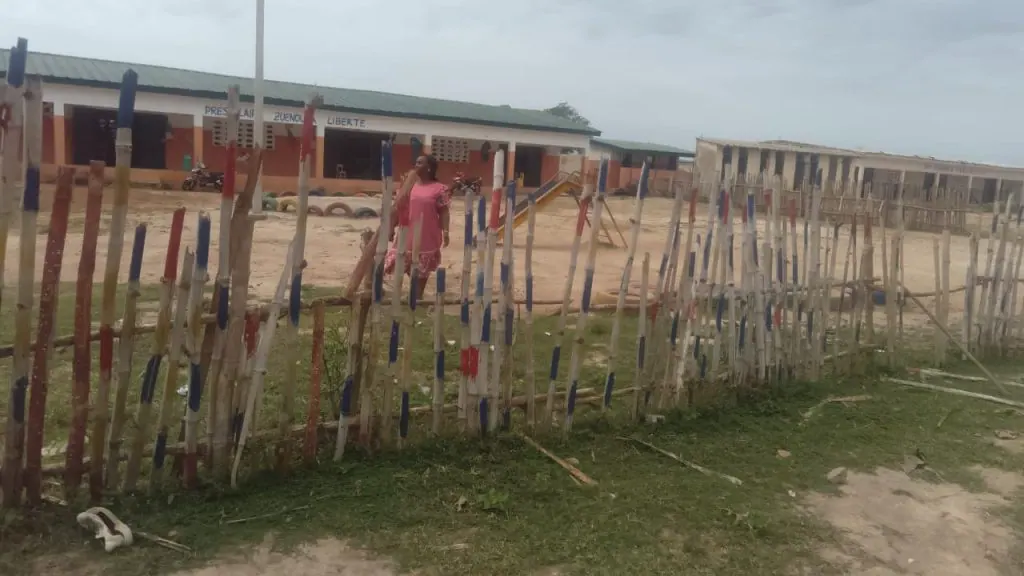
At the Municipalité group of schools, which includes EPP Municipalité 1, 2, and 3, as well as the Liberté preschool, parents and staff have made efforts to clean the premises. However, the absence of basic facilities such as clean water, toilets, electricity, and a secure fence poses significant challenges. According to Kouakou N'Goran Aimé, director of EPP Municipalité 1, the school lacks a reliable source of clean water, making regular handwashing difficult. This situation forces teachers to seek water from outside sources, a solution that is unsustainable in the long term.
The shortage of toilets is another pressing issue in these schools. Without adequate sanitation facilities, students and teachers are often forced to leave the school premises to attend to their needs. This can lead to lost instructional time and negatively impact the learning process. Kouakou N'Goran Aimé notes that the absence of toilets also affects teachers, who must sometimes leave school to use facilities at their homes, further disrupting the academic schedule.
The security situation in these schools is also precarious due to the lack of fencing. Without a secure perimeter, schools are exposed to external risks, including stray animals and unauthorized vehicles. This porous boundary poses a significant threat to students and staff, particularly during arrival and departure times. Kouakou N'Goran Aimé emphasizes the need for a secure fence to protect the school community and ensure a safe learning environment.
At the Zuénoula Centre group of schools, a different set of challenges exists. The EPP Zuénoula 1 school, with over 280 students and six teachers, struggles with inadequate sanitation facilities and limited access to clean water. According to Director Zah Lou Zah Sainte Olga, the school's current water supply, stored in a few water cans, is insufficient to meet the needs of its students. This situation highlights the need for sustainable solutions to address the water, sanitation, and security challenges facing schools in Zuénoula.
The difficulties faced by schools in Zuénoula are not isolated incidents but rather symptoms of a broader issue affecting the education sector in Côte d'Ivoire. As the government and stakeholders focus on improving educational outcomes, addressing these basic infrastructure gaps will be crucial to creating a conducive learning environment. The theme of the 2026-2027 academic year, "Ensemble, restaurons la confiance pour transformer durablement l'École," underscores the importance of collaboration and collective action to address these challenges.
To overcome these obstacles, stakeholders, including government officials, educators, and parents, must work together to develop and implement sustainable solutions. This may involve investing in infrastructure development, improving access to clean water and sanitation facilities, and enhancing school security. By prioritizing these needs, Côte d'Ivoire can take significant steps toward creating a better learning environment for its students and achieving its educational goals.
Key points
- Schools in Zuénoula, Côte d'Ivoire, face significant challenges with access to clean water, adequate sanitation, and security.
- The lack of essential infrastructure, including toilets, clean water, and secure fencing, hinders daily operations and affects student learning.
- Addressing these challenges will require collaboration and collective action from stakeholders, including government officials, educators, and parents.