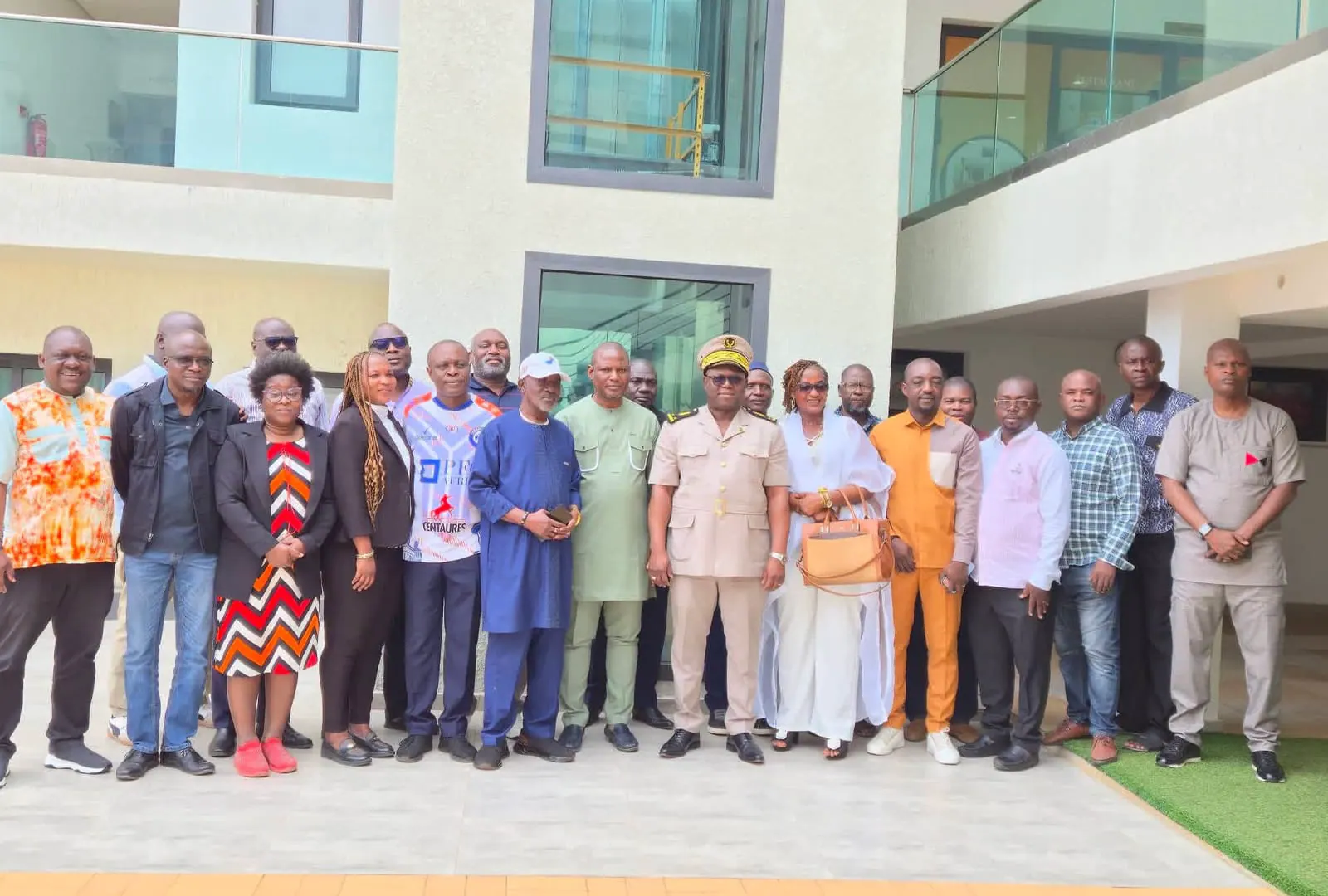
The Ivoirian government is pushing forward with its plan to transfer the country's capital to Yamoussoukro, with significant investments and reforms outlined in the 2026-2030 National Development Plan (PND). A seminar organized by the Association of Journalists and Communicators Engaged for Development (Ajced) in Yamoussoukro on September 26, 2026, provided insights into the government's vision for the city's future.
The plan includes a 6 billion FCFA allocation for the operational launch and technical studies related to the transfer of institutions. An additional 454 billion FCFA will be dedicated to infrastructure development in the micro-region, while 413 billion FCFA will be used to construct a bypass road, improving traffic flow and access to the future zone of sovereignty.
Urban development is also a priority, with 76 billion FCFA allocated for the municipal development of 500 hectares on the Sinfra axis. Furthermore, 150 billion FCFA in international financing has been secured to support various structuring projects, including the upgrading of Yamoussoukro International Airport and the reinforcement of high-voltage electrical interconnection, valued at 9 billion FCFA.
According to Yamoussoukro's sub-prefect, Yéo Dohogninnina, the transfer of the capital is no longer just a project mentioned in speeches but is now a concrete reality supported by significant investments and long-term planning. He highlighted the visible signs of progress, including the establishment of the Administrative and Political Zone (ZAP), where several institutions are starting to take root.
The ZAP has become a key indicator of Yamoussoukro's evolution, with diplomatic representations, such as the Chinese Embassy, preparing for their definitive installation. However, this dynamic raises a major question: the availability and security of land. To address this issue, the government adopted a new Urban Planning Scheme (SDU) in 2023, aiming to preserve land reserves necessary for major projects and limit speculation.
The SDU is expected to reduce pressure on land reserves and enable the government to invest with greater ease. Yéo Dohogninnina emphasized that mastering land management is essential for protecting populations' rights, urban planning, and the attractiveness of the future capital. He also stressed the need to preserve social cohesion and the importance of dialogue in managing land issues.
The development of Yamoussoukro cannot be sustainable without the genuine adhesion of its populations, according to Yéo Dohogninnina. He called on journalists and communicators to prioritize administrative procedures, dialogue, and compensation mechanisms in managing land issues. The president of Ajced, Idriss Bamba, welcomed the presentation and reaffirmed the association's commitment to supporting the development process of Yamoussoukro.
Key points
- The Ivoirian government has allocated significant funds for infrastructure development in Yamoussoukro under the 2026-2030 National Development Plan.
- The development of Yamoussoukro's Administrative and Political Zone (ZAP) is a key indicator of the city's progress.
- Mastering land management is crucial for the successful development of Yamoussoukro.