In the department of Madinani, Côte d'Ivoire, women diagnosed with cervical cancer face significant challenges in accessing specialized care. The local hospital, the Établissement public hospitalier départemental (EPHD) de Madinani, is equipped to conduct screenings, but lacks the necessary equipment for certain therapeutic interventions, such as thermocoagulation and cryotherapy. As a result, patients requiring specialized care are often referred to better-equipped facilities, including the Centre hospitalier régional (CHR) de Korhogo or centers in Abidjan.
The insufficiency of medical equipment and the distance to specialized centers complicate the management of cervical cancer cases in Madinani. During a free screening campaign organized by the local deputy-mayor, Ladji Konaté, 1,000 women were screened, and three cases of suspected cervical cancer were detected. However, due to the lack of specialized technical and surgical capabilities in Madinani, the three patients were evacuated to specialized centers in Treichville, Abidjan, over 700 kilometers away.
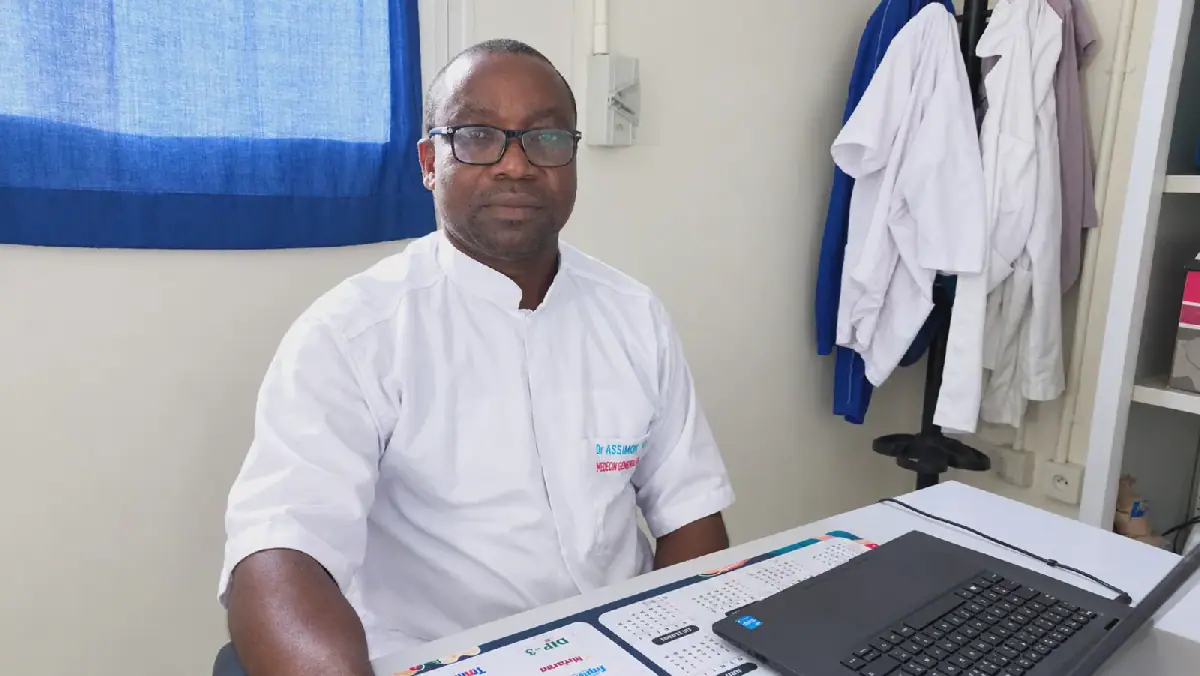
Dr. Assamoi Ado Justin, the gynecologist at the EPHD de Madinani, emphasized the importance of strengthening local healthcare equipment to improve patient care and reduce the need for long-distance travel. He has submitted requests to the Programme national de lutte contre le cancer (PNLCa) to provide the necessary equipment for treating precancerous lesions. In addition to technical constraints, Dr. Justin highlighted the financial difficulties faced by some women, citing the high cost of care and the importance of free or subsidized screening programs.
The EPHD de Madinani offers cervical cancer screening through molecular testing for human papillomavirus (HPV) at a cost of 3,000 FCFA, compared to 25,000 FCFA for a cervico-vaginal smear. Dr. Justin noted that some patients have benefited from free or subsidized care through partnerships with financial partners and the PNLCa. He stressed the importance of raising awareness about cervical cancer and promoting early detection, as the disease can progress for several years without symptoms.
The director of the Madinani district health department, Louo Privat Guéma, confirmed the availability of gynecological consultations and initial screenings at the EPHD, encouraging women to utilize these services. Dr. Justin emphasized that improving access to care requires not only better equipment but also increased awareness and education about cervical cancer.
Cervical cancer can develop over several years without apparent symptoms, making early detection crucial for effective treatment. Dr. Justin and other healthcare professionals are working to raise awareness and promote screening among women in Madinani. The PNLCa and other partners are also playing a critical role in supporting cervical cancer care and treatment in the region.
The challenges faced by women in Madinani highlight the need for strengthened healthcare infrastructure and increased access to specialized care in rural areas. Efforts to improve equipment, raise awareness, and provide subsidized care are underway, but more work remains to be done to address the significant disparities in cervical cancer care.
Key points
- Women in Madinani, Côte d'Ivoire, face challenges in accessing specialized cervical cancer care due to a lack of medical equipment and distant specialized centers.
- The EPHD de Madinani offers cervical cancer screening, but lacks equipment for certain therapeutic interventions, requiring patients to be referred to better-equipped facilities.
- Strengthening local healthcare equipment and increasing awareness about cervical cancer are critical to improving patient care and promoting early detection.