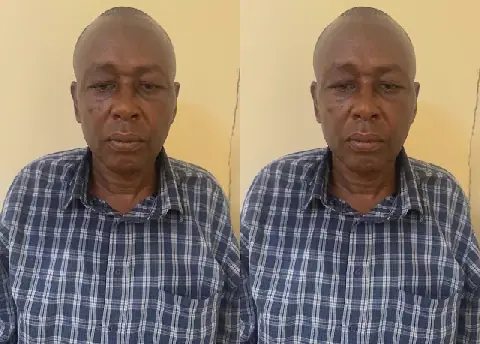
The Côte d'Ivoire Anti-Terrorist Section has summoned three cadres from the Democratic Party of Côte d'Ivoire (PDCI), namely Ezaley Philippe, Alain Cocautrey, Dia Houphouët, and Fian Hervé. According to sources close to the party, the summonses were delivered to the PDCI headquarters in Abidjan-Cocody on October 15, 2026. The reasons behind these summonses and the dates for the cadres' appearances have not been disclosed.
The development comes after a similar move by the authorities targeting the Pan-African Congress for Ivorian Citizens (PPA-CI) of Laurent Gbagbo. The escalating tensions are linked to the 2025 presidential election, during which the PDCI and PPA-CI formed a "Common Front" against the election. The incidents that occurred during this period seem to be the focus of the current investigations.
The Côte d'Ivoire political landscape has been marked by heightened tensions and disputes over the years, particularly during and after elections. The involvement of major political parties and their alliances often leads to increased scrutiny from law enforcement and judicial bodies. The summonses issued to the PDCI cadres are part of this broader context.
The Anti-Terrorist Section of Côte d'Ivoire, located near the Tribunal de Première Instance in Abidjan-Cocody, deals with cases that involve threats to national security and public order. The nature of the allegations against the PDCI cadres and whether they relate directly to terrorism or other criminal activities remains unclear.
The PDCI, led by Tidjane Thiam, and the PPA-CI, led by Laurent Gbagbo, are significant players in Ivorian politics. Their actions and the responses from the government and judicial authorities are closely watched by both the public and international observers. The political climate in Côte d'Ivoire has implications for regional stability and the country's development.
As the situation unfolds, it will be crucial to monitor the developments in the cases against the PDCI cadres and the potential implications for Ivorian politics. The involvement of prominent political figures and parties can influence the country's trajectory, especially in the lead-up to future elections.
The summonses of the PDCI cadres highlight the complex and often contentious nature of political engagement in Côte d'Ivoire. The country continues to navigate its democratic path, with various stakeholders playing critical roles in shaping its future.
Key points
- The Anti-Terrorist Section of Côte d'Ivoire has summoned three PDCI cadres for undisclosed reasons.
- The summonses are linked to incidents during the 2025 presidential election.
- The developments reflect the heightened tensions and disputes in Ivorian politics.