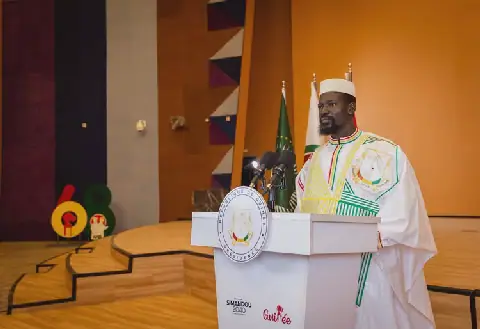
The commune of Tiapoum in Côte d'Ivoire has officially presented its Strategic Development Plan (PSD) for 2026-2030, outlining the municipality's main priorities for the next five years. The plan was unveiled on October 1, 2026, at the town hall, in the presence of Mayor N'Sérébé Ébily Pascal and stakeholders who contributed to its development. The PSD serves as a reference framework for guiding investments and development actions in the commune.
The PSD is structured around four main orientations: strengthening productive sectors, developing human capital, improving infrastructure and equipment, and enhancing the resilience of the territory. In the agricultural sector, Tiapoum aims to maximize its potential, leveraging its geographical position on the border with Ghana, as well as its halieutic and commercial resources. However, the plan also highlights challenges related to agricultural production transformation, access to financing, and the state of rural roads.
The development of human capital is a key aspect of the PSD, focusing on sectors such as education, health, employment, and access to essential services. The diagnostic study conducted as part of the PSD's development also considered access to clean water and electrification. Infrastructure needs include transportation, equipment, and improved access to basic services. The plan also aims to address environmental concerns and territorial resilience.
The PSD identifies the commune's cultural and tourist heritage, including the Adouvlais-Sohié Kingdom and the Abissa festival, as drivers of local economic development and attractiveness. The preservation of the Aby-Tendo-Éhy lagoon areas is also a priority, given the pressures of pollution, erosion, land grabbing, and climate change effects. The development of the PSD involved various stakeholders, including customary and religious authorities, administration, youth and women's organizations, economic operators, and civil society.
The elaboration of the document was supported by the UNESCO Chair "Anticipation, Prospective and Sustainable Territories" at Alassane Ouattara University in Bouaké. According to Mayor N'Sérébé Ébily Pascal, the focus now shifts to implementing the selected orientations, mobilizing resources, and executing priority projects identified in the plan. The PSD provides a framework for the commune's development over the next five years, taking into account identified needs and priorities.
The commune's strategic plan is expected to guide investments and development actions, ensuring a coordinated approach to addressing the needs of Tiapoum's residents. By prioritizing agriculture, infrastructure, and human capital, the commune aims to foster sustainable development and improve the quality of life for its citizens. The PSD's implementation will require collaboration among various stakeholders, including local authorities, development partners, and the private sector.
The successful implementation of the PSD will depend on the effective mobilization of resources, both financial and technical, to support the realization of priority projects. The commune's leadership and stakeholders will need to work together to ensure the plan's objectives are met, and its expected outcomes are achieved. The PSD's focus on sustainability and resilience will be crucial in ensuring the long-term development of Tiapoum commune.
Key points
- The commune of Tiapoum has identified agriculture, infrastructure, and human capital development as key priorities in its Strategic Development Plan (PSD) for 2026-2030.