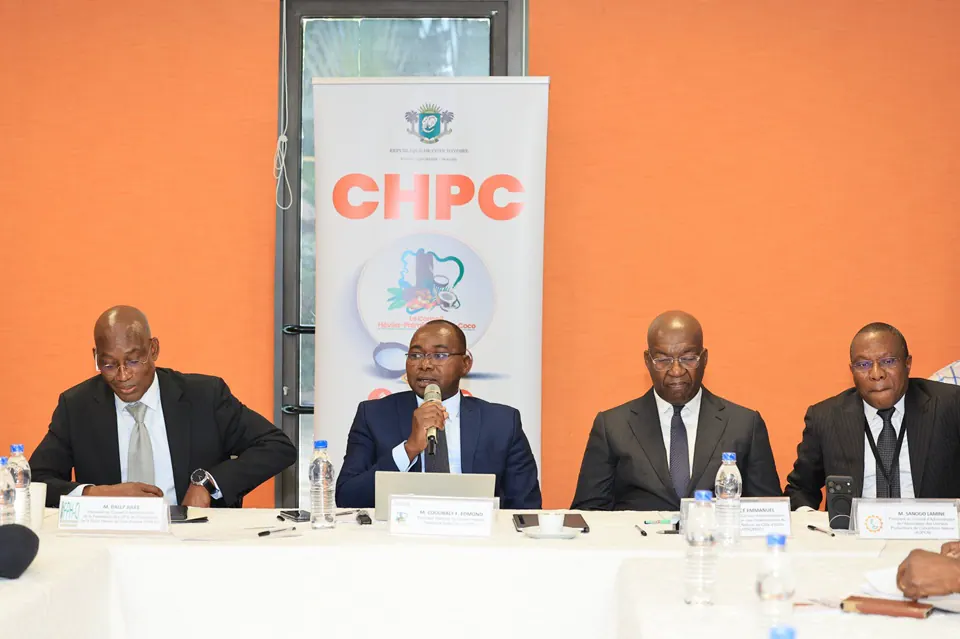
Abidjan, Côte d'Ivoire - The Ivorian rubber sector's main stakeholders convened on October 8, 2026, to discuss the challenges facing the industry. The meeting, held at the Palm Club hotel in Abidjan Cocody, aimed to assess the effectiveness of a decision made in May to regulate the supply of natural rubber. According to Edmond Coulibaly, director-general of the Côte d'Ivoire's Hévéa-Palmier à huile-Coco (CHPC) council, the decision had not produced the desired outcomes.
The decision, which aimed to bring order to the sector, had been in place for five months. During this time, the sector's stakeholders had experienced difficulties in implementing the regulations. Coulibaly noted that the competition in the sector was affecting the cash flow and profit margins of companies. The meeting provided a platform for stakeholders to share their experiences, identify challenges, and collectively seek solutions.
Charles-Emmanuel Yacé, president of the Association des professionnels de caoutchouc naturel de Côte d'Ivoire (APROMAC), acknowledged the positive impact of the May decision, which had helped stabilize the sector. However, he emphasized the need for all stakeholders to adhere to the rules. Yacé stressed that the sector's sustainability depended on fair competition and the implementation of regulations.
The meeting also highlighted the issue of pricing pressures and competition for raw materials. Desmeot Pascal, director-general of Sud Comoé Caoutchouc (SCC), reported a significant increase in the number of weighbridges in his area, from around 40 to over 100 in a year. He also noted the return of high bonuses, ranging from 30 to 60 FCFA in some cases, which was affecting the production costs and financial capacities of companies.
The debate on bonuses was a contentious issue, with some stakeholders arguing that it was driving up production costs. Jean Christophe Dienst, director of Société des Caoutchoucs de Grand-Béréby (SOGB), believed that the CHPC's decision had created a competitive situation among different supply circuits. He noted that some operators were offering bonuses above the recommended rates, which was affecting the economy and viability of factories.
The sector's stakeholders recognized the need for a balanced approach that would ensure producers received a fair remuneration while guaranteeing factories stable and viable supplies. Edmond Coulibaly cautioned against opportunistic strategies that could undermine the sector's sustainability. The stakeholders also discussed the role of intermediaries in the collection and transportation of rubber, which needed to be addressed to prevent further imbalances in the supply chain.
The meeting concluded with a commitment to periodic consultations to monitor the sector's evolution and make adjustments as needed. The CHPC will organize regular meetings to ensure that the interests of producers and transformation units are balanced. This approach aims to restore a balanced functioning of the sector, which is crucial for Côte d'Ivoire's economy, given that the country is the first African and third global producer of natural rubber, with 1,686,601 tonnes produced in 2024.
Key points
- The Ivorian rubber sector's stakeholders are seeking a new balance amid pricing pressures and competition for raw materials.
- The sector's sustainability depends on fair competition, implementation of regulations, and a balanced approach to ensure producers' and factories' interests are met.
- Periodic consultations will be held to monitor the sector's evolution and make adjustments to restore a balanced functioning of the sector.