The Dahi-Sentinelle project was presented as a key initiative to promote civil-military dialogue and prevent conflicts in Côte d'Ivoire's Nawa region. According to Tra Bi Goniafla Armel, adviser to the Minister of Interior and Security, the project seeks to strengthen cooperation between administrative authorities, defense and security forces, and local populations. This initiative aims to consolidate peace and prevent conflicts in the region.
The project, funded by the Kingdom of the Netherlands to the tune of approximately $8 million, is being implemented by the United Nations Development Programme (UNDP) over a 54-month period, from July 1, 2026, to December 31, 2030. It covers the regions of San-Pédro, Tonkpi, Cavally, and Nawa, with prospects for extension to other regions of the country. The project's focus on dialogue and cooperation is expected to enhance economic resilience and promote sustainable development, particularly in cocoa-producing areas.
A key component of the project is the establishment of a civil-military cell, presented by Aimé Robeye, coordinator of the project at UNDP. This cell serves as a framework for dialogue and coordination, aiming to gather concerns from local populations and foster concerted responses to local challenges. The initiative aligns with Côte d'Ivoire's National Development Plan (PND) 2026-2030, prioritizing peace, security, human capital development, and good governance.
The project's activities include strengthening cooperation between competent services, improving capacities in port and border security, and establishing local mechanisms for dialogue and conflict prevention. These efforts aim to address the root causes of conflicts and promote a culture of peace and stability in the region. By engaging local populations and authorities, the project seeks to build trust and foster a collaborative approach to conflict prevention.
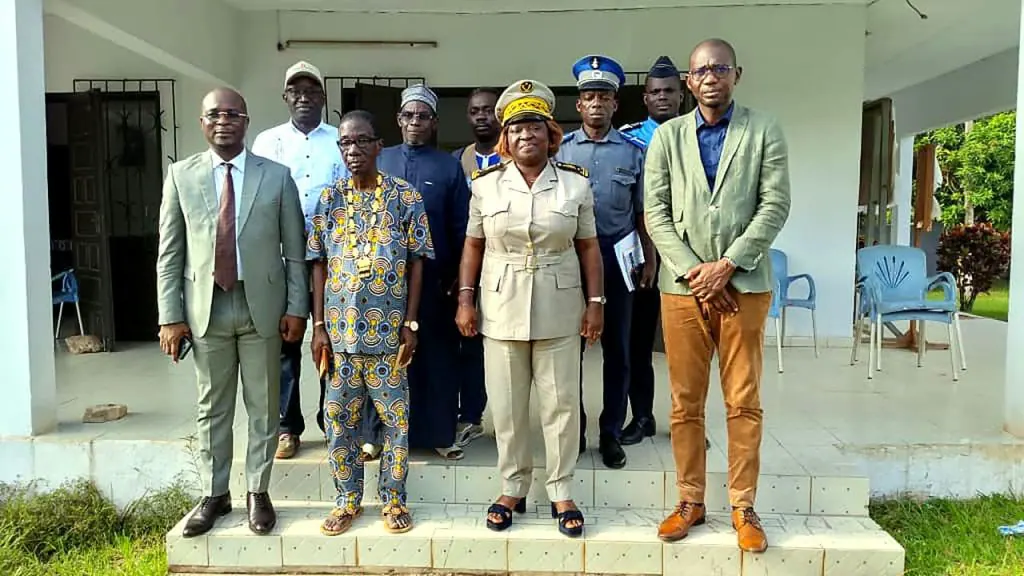
A training session for the civil-military cell was held in Soubré, presided over by Yapo Chia Annick, second secretary general of the Soubré prefecture. The session allowed participants to familiarize themselves with the objectives, missions, and operating modalities of the civil-military cell. This initiative is expected to enhance the capacity of local stakeholders to prevent and respond to conflicts, promoting a more peaceful and stable environment.
The Dahi-Sentinelle project's focus on civil-military dialogue and cooperation is seen as a crucial step towards preventing conflicts and promoting sustainable development in Côte d'Ivoire. By engaging local populations, authorities, and security forces, the project aims to build a culture of peace and stability, ultimately contributing to the country's overall development and prosperity.
As the project unfolds, it is expected to have a positive impact on the lives of local populations, particularly in cocoa-producing areas. By promoting dialogue, cooperation, and conflict prevention, the Dahi-Sentinelle project is poised to make a meaningful contribution to Côte d'Ivoire's peace and development agenda, ultimately enhancing the country's stability and prosperity.
Key points
- The Dahi-Sentinelle project is funded by the Kingdom of the Netherlands to the tune of approximately $8 million.
- The project is being implemented by the United Nations Development Programme (UNDP) over a 54-month period.
- The initiative aligns with Côte d'Ivoire's National Development Plan (PND) 2026-2030, prioritizing peace, security, human capital development, and good governance.