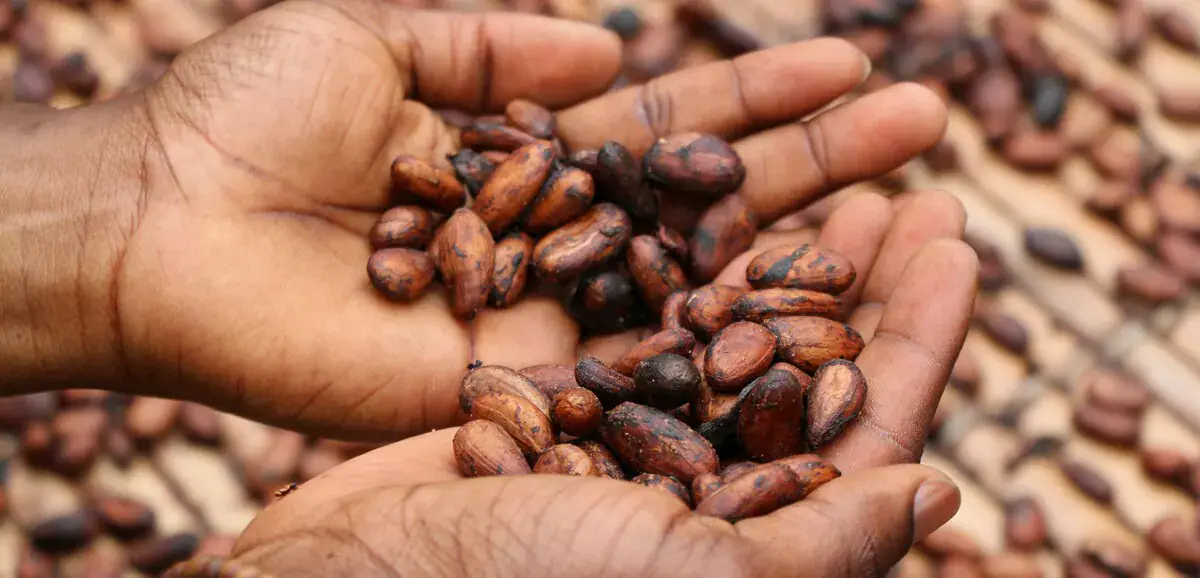
The Côte d'Ivoire's cocoa production, which accounts for 40% of the world's total, is expected to decline by 21-25% due to a severe El Niño event. The country's meteorological agency, Sodexam, has warned that the phenomenon could lead to a significant decrease in precipitation, rising temperatures, and a longer dry season. This could result in a substantial loss for cocoa farmers and a decline in the country's export earnings.
The El Niño event, described as a "super El Niño" due to its exceptional intensity, is expected to peak in December and may persist until April or May 2027. This natural climate phenomenon occurs every two to seven years in the Pacific and affects global weather patterns. The Sodexam has cautioned that the dry conditions and high temperatures could cause young cocoa pods to wither and fall prematurely, leading to a decline in production.
Côte d'Ivoire is the world's largest producer of cocoa, and the industry is a significant contributor to the country's economy, accounting for 15% of its GDP and supporting around five million people directly or indirectly. A decline in production could have severe economic and social implications for the country. The Sodexam has recommended that farmers adopt more drought-resistant cocoa varieties, develop supplementary irrigation systems, and promote agroforestry practices to mitigate the effects of the El Niño event.
The warning comes as the world experiences record-high temperatures. According to the European observatory Copernicus, October 2026 was the hottest October on record, with an average air temperature 1.75°C higher than pre-industrial levels. The Sodexam's alert highlights the vulnerability of Côte d'Ivoire's cocoa industry to climate change and the need for sustainable practices to ensure the long-term viability of the sector.
The potential decline in cocoa production could have significant economic implications for Côte d'Ivoire. The country's economy is heavily reliant on cocoa exports, and a decline in production could lead to a substantial loss in revenue. This could have a ripple effect on the entire economy, impacting not only cocoa farmers but also other sectors that rely on the industry.
To mitigate the effects of the El Niño event, the Sodexam has recommended a range of measures, including the adoption of drought-resistant cocoa varieties, supplementary irrigation systems, and agroforestry practices. These measures could help reduce the impact of the drought and high temperatures on cocoa production. However, implementing these measures may require significant investment and support from the government and international organizations.
The impact of the El Niño event on Côte d'Ivoire's cocoa production will be closely watched by the global chocolate industry. Any decline in production could lead to higher prices for cocoa and, ultimately, chocolate products. This could have significant implications for consumers and manufacturers alike, highlighting the need for sustainable and resilient cocoa production practices.
Key points
- Côte d'Ivoire's cocoa production may decline by 21-25% due to a severe El Niño event expected to last until 2027.