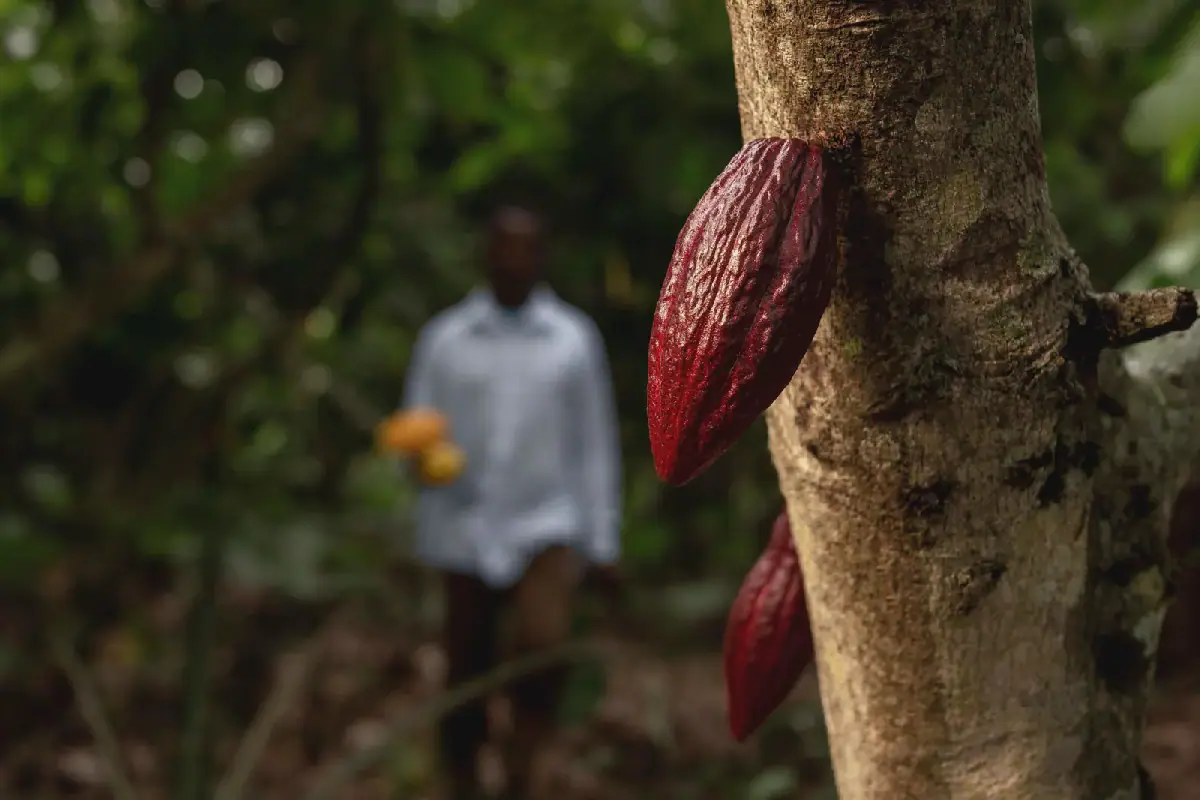
Côte d'Ivoire, the world's largest producer of cocoa, is expected to see a decline in production due to the current El Niño episode. According to Sodexam, the country's national meteorological agency, the production could drop by 21-25%. This decline is attributed to the effects of El Niño, which is causing a rise in temperatures and a decrease in precipitation. The phenomenon is also expected to lead to a longer dry season, which could further impact cocoa production.
El Niño is a natural climate phenomenon that occurs when the surface temperature of the Pacific Ocean warms up, leading to changes in global wind and precipitation patterns. The current episode, described as a "super El Niño" due to its intensity, is expected to last until April or May 2027. Sodexam has predicted a 10-27% decline in precipitation, a rise in temperatures, and a longer dry season in Côte d'Ivoire. These conditions could lead to water deficits and heat stress for cocoa trees.
The decline in cocoa production could have significant economic and social impacts on Côte d'Ivoire. The country is the world's largest producer of cocoa, accounting for 40% of global production. The cocoa sector contributes 15% to the country's GDP and provides a livelihood for around five million people, directly and indirectly. A decline in production could lead to a loss of income for farmers and a decrease in export earnings for the government.
To mitigate the effects of El Niño, Sodexam has recommended several measures. These include the use of drought-resistant cocoa varieties, the development of irrigation systems, and the promotion of agroforestry practices in cocoa plantations. The agency's recommendations aim to help farmers adapt to the changing climate and reduce the impact of El Niño on cocoa production.
The current El Niño episode is part of a larger trend of rising global temperatures. According to Copernicus, October 2026 was the hottest October on record, with a global average temperature 1.75°C above pre-industrial levels. Thirty-three countries also recorded their highest temperatures in October. This trend is expected to continue, with potential impacts on global food production, including cocoa.
Côte d'Ivoire's cocoa sector is a significant contributor to the country's economy, and any decline in production could have far-reaching consequences. The government and international organizations may need to provide support to farmers and develop strategies to help the sector adapt to the changing climate. This could include investments in climate-resilient agriculture and initiatives to promote sustainable cocoa production.
The impact of El Niño on Côte d'Ivoire's cocoa production is a reminder of the vulnerability of global food systems to climate change. As the world's largest producer of cocoa, Côte d'Ivoire plays a critical role in meeting global demand for the crop. The country's experience with El Niño highlights the need for climate-resilient agriculture and sustainable production practices to ensure food security and economic stability.
Key points
- Côte d'Ivoire's cocoa production is expected to decline by 21-25% due to El Niño.