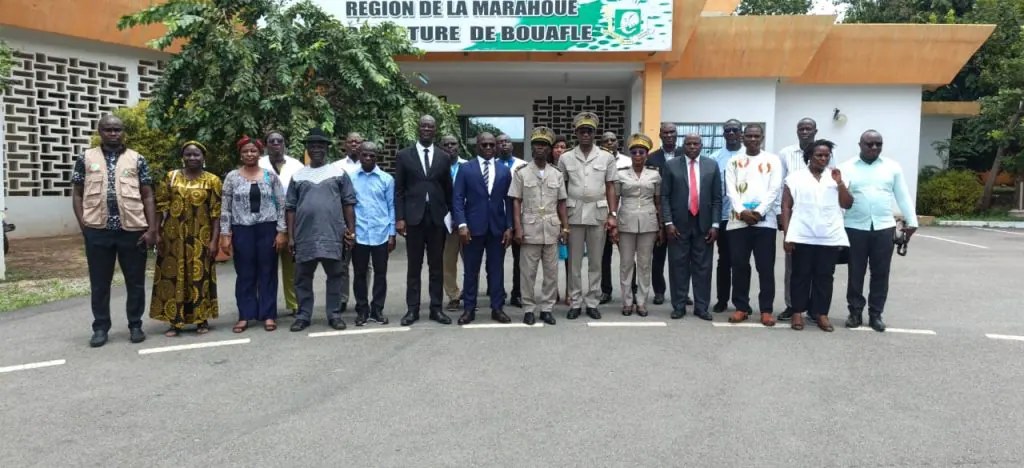
Residents of Bouaflé, Côte d'Ivoire, are being encouraged to vaccinate their dogs and take appropriate measures in case of bites or scratches to prevent rabies, a fatal disease. The call was made by Yao Agaman Hermann, head of the Bouaflé regional office of the National Institute of Public Hygiene (INHP), during the celebration of World Rabies Day on September 28, 2026. The event, organized by the INHP and the regional Directorate of Animal and Fisheries Resources, aimed to raise awareness and mobilize stakeholders to eliminate the disease.
According to Yao Agaman Hermann, rabies is inevitably fatal once symptoms appear, but it can be prevented through animal vaccination, particularly for dogs, as well as prompt vaccination and care for exposed individuals. He urged dog owners to vaccinate their animals as soon as they are acquired and encouraged the public to take immediate action after being bitten or scratched. In 2025, Bouaflé recorded 477 cases of human exposure, primarily due to bites or scratches, and four deaths related to rabies.
Aboua Léonard, a public health engineer, presented the epidemiological situation of rabies and main prevention measures. From January 1 to September 26, 2026, 359 cases of human exposure have already been reported. To prevent the spread of the disease, participants were educated on the behaviors to adopt when encountering a suspect animal or after exposure. They were advised to immediately wash and disinfect wounds with detergent and soap for at least 15 minutes and seek medical attention at an anti-rabies treatment center.
In case of a bite or scratch, residents are recommended to report the incident to veterinary services, enabling the animal to be monitored and, if necessary, sampled for diagnosis. The meeting highlighted the need for concerted action from human health, animal health, and environmental sectors, in line with the "One Health" approach, to reduce transmission risks and contribute to rabies elimination. This approach aims to promote a collaborative effort to address the disease.
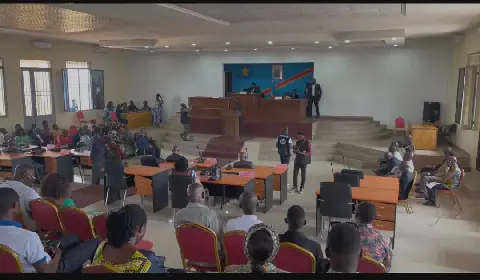
The event, which took place at the Bouaflé prefecture conference room, was attended by various stakeholders, including dog owners, healthcare professionals, and veterinary experts. Participants were provided with information on the importance of vaccination, wound care, and animal surveillance. By working together, the goal is to reduce the incidence of rabies and ultimately eliminate the disease in the region.
According to the INHP, vaccination of animals, particularly dogs, is a crucial step in preventing the spread of rabies. Dog owners are encouraged to take responsibility for their pets' health and vaccinate them regularly. Additionally, the public is urged to be aware of their surroundings and report any suspicious animal behavior to the authorities.
The efforts to combat rabies in Bouaflé are ongoing, with a focus on raising awareness, promoting vaccination, and enhancing collaboration between human and animal health sectors. By adopting these measures, residents can contribute to reducing the risks associated with rabies and ultimately help eliminate the disease in their community.
Key points
- 477 cases of human exposure to rabies were recorded in Bouaflé in 2025.
- Residents are urged to vaccinate their dogs and take immediate action after being bitten or scratched.
- A concerted effort from human health, animal health, and environmental sectors is necessary to eliminate rabies.