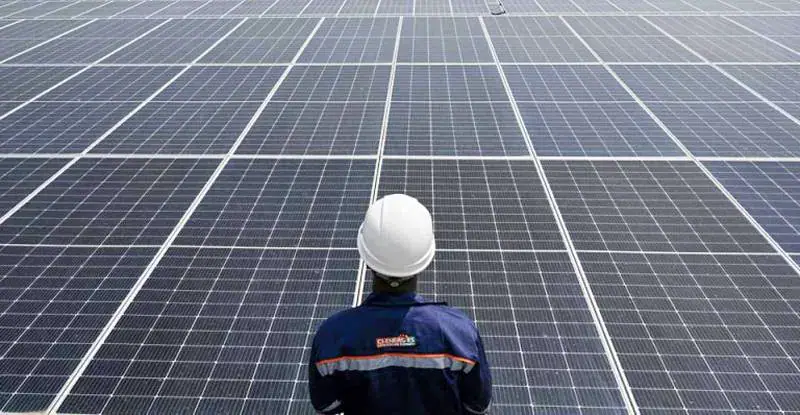
For a long time, Côte d'Ivoire's energy story has been written from the south, with major projects like the Abidjan gas field and the Soubré and Taabo hydroelectric dams. However, the north has been largely left out, receiving electricity through transmission lines. This is changing, as the government has embarked on an ambitious program to develop solar energy infrastructure in the north. The region's high levels of solar radiation make it an ideal location for solar farms.
Recent developments include the launch of a new solar farm in Lonankaha, near Katiola, with a capacity of 50 megawatts. The project was announced on October 22, and construction is underway. This follows the inauguration of a 52-megawatt solar farm in Sokoro, near Ferkessédougou, which was completed on July 3, 2026. The Ferké Solar project features 73,000 solar panels on a 70-hectare site and is the second-largest solar farm in the country.
Côte d'Ivoire's solar energy push is part of a broader strategy to increase the country's renewable energy production. The government aims to have 12 solar farms operational by 2030, with a combined capacity of 678 megawatts. This is expected to increase to 1,262 megawatts by 2030. The development of solar energy in the north is also expected to have a positive impact on the local economy, creating jobs and stimulating economic growth.
The construction of solar farms in the north is creating new opportunities for local communities. Each project is generating between 150 and 600 jobs for young people, as well as stimulating economic activity among local businesses. The projects are also leading to improvements in infrastructure, such as roads and transportation links. This is helping to connect local communities to the wider economy and making them more attractive to investors.
The government has adopted a build-own-operate-transfer (BOOT) model for the solar farm projects, partnering with private companies to develop and operate the facilities. This approach allows the government to leverage private sector expertise and investment, while also ensuring that the facilities are transferred to the state at the end of the contract period. This model has enabled the government to develop the solar energy sector without having to bear the full cost of the projects.
Côte d'Ivoire's focus on solar energy is part of a broader strategy to diversify the country's energy mix and reduce its dependence on imported fuels. The country's energy sector has historically been reliant on gas and hydroelectric power, but the government is seeking to reduce its vulnerability to external shocks. Solar energy offers a reliable and renewable source of power, which can help to stabilize the energy supply and support economic growth.
The development of solar energy in Côte d'Ivoire is also expected to have a positive impact on the country's economic development. The sector is expected to contribute to the country's goal of becoming a major player in the West African energy market. With its abundant solar resources, Côte d'Ivoire is well-positioned to become a hub for solar energy in the region.
Key points
- Côte d'Ivoire aims to have 12 solar farms operational by 2030, with a combined capacity of 678 megawatts.
- The development of solar energy in the north is expected to create jobs and stimulate economic growth in local communities.
- The government has adopted a BOOT model for the solar farm projects, partnering with private companies to develop and operate the facilities.