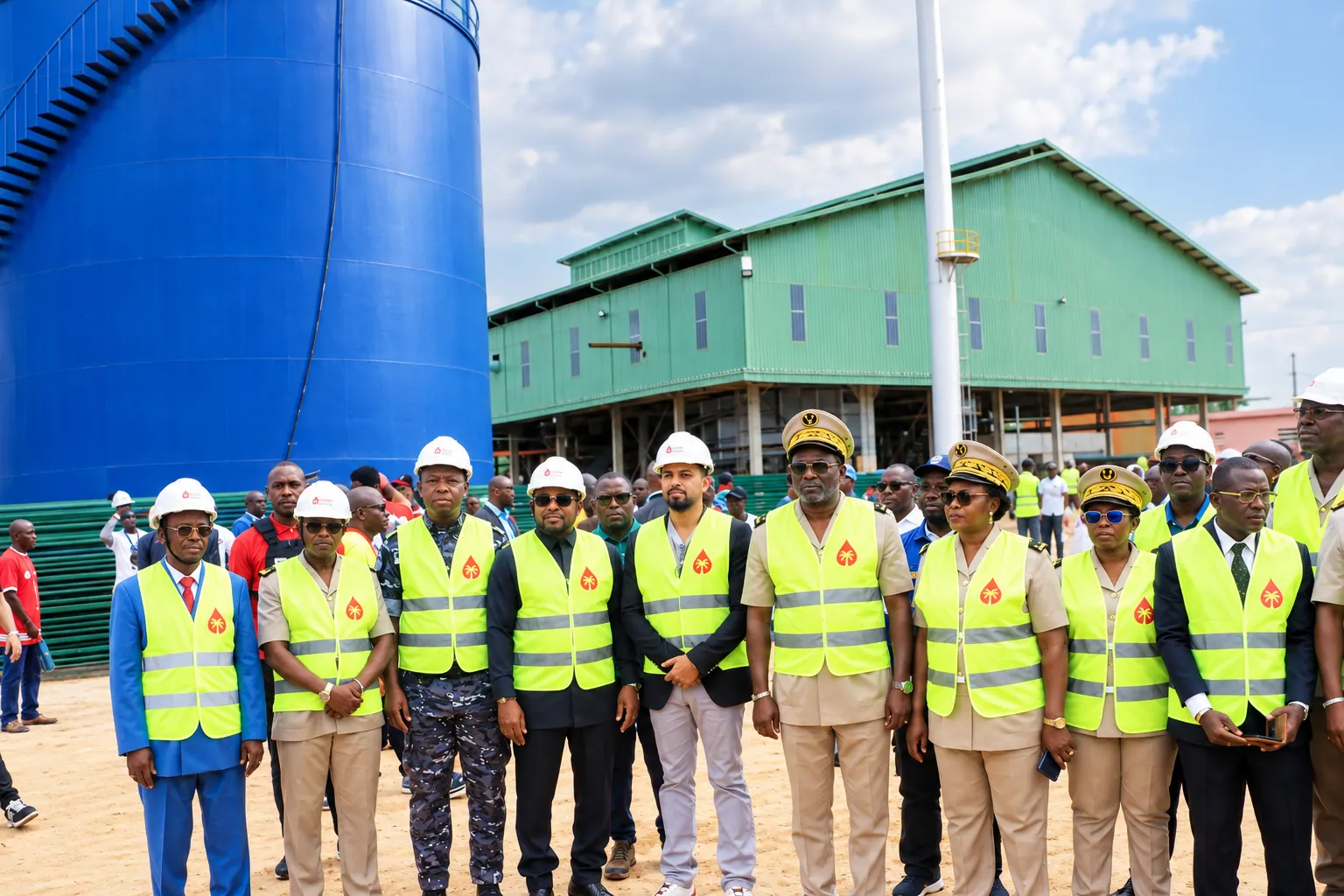
A new industrial unit for palm oil transformation was inaugurated on October 10, 2026, in Lakota, Côte d'Ivoire. The unit, located between the villages of Akabréboua and Gazolilié, aims to strengthen local transformation of agricultural products and promote job creation in the Lôh-Djiboua region. The ceremony was presided over by Prefect Lassina Binaté and attended by administrative, judicial, customary, and security authorities, as well as local elected officials and cadres.
The inauguration marks a significant step in Lakota's industrialization, according to Prefect Lassina Binaté. He encouraged the promoters to prioritize recruitment and training of local youth while adhering to environmental norms. Binaté also urged the population to support initiatives that contribute to the region's economic and social development. The unit is expected to have a positive impact on the local economy and provide new opportunities for the population.
The Deputy of Lakota, Abdoulaye Kouyaté, highlighted the potential for economic empowerment of women through the development of this industrial activity. He emphasized the importance of involving women in the transformation process and ensuring they benefit from the new opportunities. The Mayor of Lakota, Prince Arthur Dalli, also stressed the significance of local transformation of agricultural raw materials in creating wealth and driving economic development in the department.
Rabih Jamal, Director-General of Palm ivoire, the company operating the unit, explained that the choice of Lakota is part of the company's strategy to expand its palm oil transformation activities. He mentioned plans to establish partnerships with local planters and provide improved seedlings to support the development of the palm oil sector. The unit's construction covers an area of 10 hectares and features modern equipment for transforming palm fruits into oil.
The ceremony concluded with a visit to the installations, where participants had the opportunity to see the equipment and learn about the different stages of palm oil production. The new unit is expected to create jobs and stimulate economic growth in the region. Local authorities and stakeholders expressed their optimism about the unit's potential to drive development and improve living standards in Lakota.
The palm oil transformation unit is a significant investment in the region's agricultural sector, which is a major contributor to Côte d'Ivoire's economy. The country's palm oil production has been steadily increasing in recent years, and the new unit is expected to further boost production and processing capacity. The government has been promoting initiatives to support the development of the sector and improve the competitiveness of local producers.
The inauguration of the palm oil transformation unit in Lakota is a positive development for the region, and stakeholders are hopeful that it will have a lasting impact on the local economy and population. The unit's success will depend on various factors, including the company's ability to maintain high production standards, adhere to environmental regulations, and engage with local communities. Key points:
Key points
- The unit aims to strengthen local transformation of agricultural products and promote job creation in the Lôh-Djiboua region.
- The inauguration marks a significant step in Lakota's industrialization, with plans to prioritize recruitment and training of local youth.
- The unit is expected to have a positive impact on the local economy, with potential for economic empowerment of women and stimulation of economic growth.