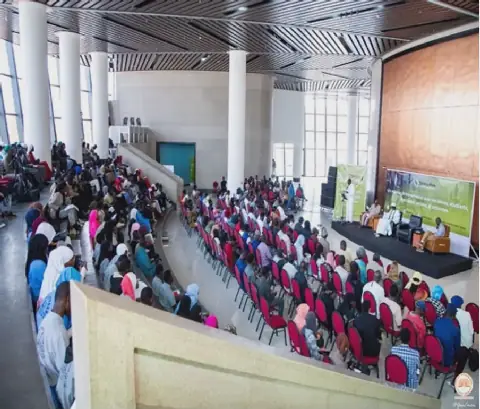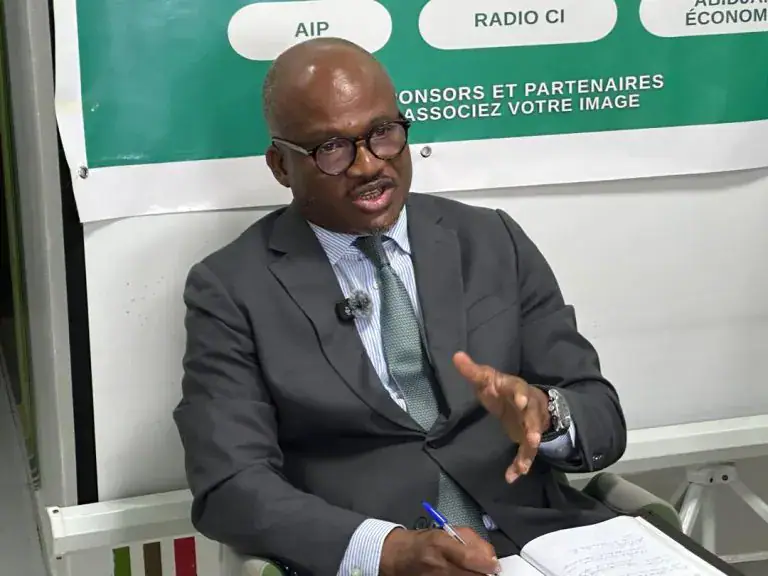
The Côte d'Ivoire government has introduced exemptions from customs duties and Value Added Tax (VAT) on solar equipment to reduce their cost and encourage self-production of electricity. This move was announced by Siriki Gnigbognima, Director of Energy Management, on November 2, 2026, during a training workshop for journalists on energy efficiency. The exemptions, introduced under the 2024 fiscal annex, aim to alleviate the burden on households and businesses wishing to invest in solar installations.
According to Gnigbognima, the exemptions cover total customs duties and VAT, with only community taxes remaining, which account for approximately 2%. He made these remarks at a workshop organized by the Akwaba Green Champions foundation and the Network of Journalists for Access to Public Information in Côte d'Ivoire (REJAIPCI). The exemptions are expected to make solar equipment more affordable and encourage investments in renewable energy.
A regulatory text has also been adopted to authorize self-production of electricity, dispelling concerns among consumers who believed they needed to be connected to the national grid to install solar panels. The administrative formalities have been simplified through the external trade market platform, allowing users to submit exemption requests. This move is expected to streamline the process and make it easier for individuals and businesses to invest in solar energy.
However, Gnigbognima noted that the costs of maritime transport remain a component of the equipment price, over which the ministry has no control, as these charges are determined by shipping companies and other sector operators. He also highlighted the issue of unqualified professionals in the sector, including installers and equipment suppliers, which poses risks to consumers.
The Director of Energy Management expressed concern about the lack of qualifications among some professionals in the sector, which can lead to poorly designed installations and financial losses for consumers. To address this issue, he announced that the government will be issuing permits to qualified professionals and publishing a list of accredited installers, similar to the list of accredited energy auditors.
The government's measures aim to reduce the cost of solar equipment, improve the regulation of professionals, and encourage investments in self-production of electricity. By exempting solar equipment from customs duties and VAT, the government hopes to make renewable energy more accessible to households and businesses. The move is expected to contribute to the development of Côte d'Ivoire's renewable energy sector.
The exemptions and regulatory changes are part of the government's efforts to promote energy efficiency and renewable energy in Côte d'Ivoire. The country has set ambitious targets to increase its use of renewable energy, and the government's measures are expected to help achieve these goals. The move is also expected to create new opportunities for businesses and individuals to invest in solar energy.
Key points
- Côte d'Ivoire exempts solar equipment from customs duties and VAT to encourage self-production of electricity.
- The exemptions cover total customs duties and VAT, with only community taxes remaining.
- The government aims to reduce the cost of solar equipment and improve the regulation of professionals in the sector.