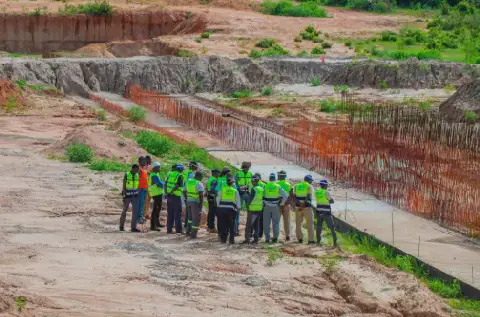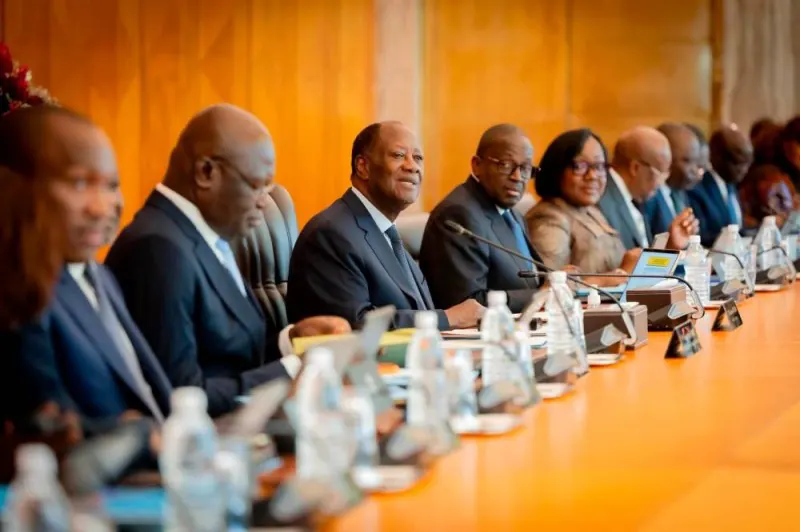
On September 23, 2026, Côte d'Ivoire's President Alassane Ouattara presided over a Council of Ministers meeting, where several key decisions were made to tackle various national issues. One significant development was the adoption of a bill amending the country's penal code, specifically targeting illegal gold mining, known as "orpaillage illégal" in French. This move aims to enhance the country's response to different forms of criminality and align with international commitments.
The new penal code reform focuses on strengthening sanctions for environmental crimes, including illegal gold mining. The government aims to hold accountable all parties involved in these activities, including sponsors, receivers, financiers, and site owners who aid and abet these crimes. The bill introduces stricter penalties, with potential prison sentences of up to 20 years for those convicted.
Côte d'Ivoire's efforts to combat illegal gold mining also involve protecting the environment and natural resources. The reform gives special attention to safeguarding minors and women from sexual violence and other deviant behaviors. Additionally, it seeks to enhance penalties for verbal or behavioral abuses targeting administration officials, including village chiefs and traditional leaders.
The Council of Ministers also adopted 14 decrees redefining the boundaries of five agro-forests and nine classified forests. These decisions aim to clarify the limits of protected areas, reduce land disputes, and promote sustainable management of forest resources. This move demonstrates the government's commitment to environmental conservation and preserving biodiversity.
In a related development, the government has established the Institut du café et du cacao, a research center focused on improving the country's coffee and cocoa sectors. The institute will provide a high-level research environment, leveraging cutting-edge technologies and specialized human resources. Its mission is to enhance the scientific initiative on coffee and cocoa, addressing competitiveness and international market standards.
Furthermore, the Council adopted an ordinance extending regulations on cotton and cashew commercialization to the mango sector. This decision aims to strengthen the mango value chain, which accounts for around 10% of the country's fruit production. The ordinance also establishes the Conseil du coton et de l'anacarde as the regulatory body for the mango sector.
The government's efforts to enhance the mango sector involve reamending the Conseil d'administration to include a representative from the mango interprofession. This move is expected to boost the sector's development, regulation, and monitoring. With these reforms, Côte d'Ivoire aims to improve its environmental and agricultural sectors, while addressing social and economic challenges.
Key points
- Côte d'Ivoire's new penal code reform introduces stricter penalties for illegal gold mining, with potential prison sentences of up to 20 years.