The Economic Community of West African States (ECOWAS) has expressed disapproval of the Guinea-Bissau military authorities' decision to extend the transition period until November 26, 2028. In a statement released on November 27, 2026, in Abuja, the regional organization called for a revision of this timeline and encouraged consultations with Senegal, designated as mediator in the country's political crisis.
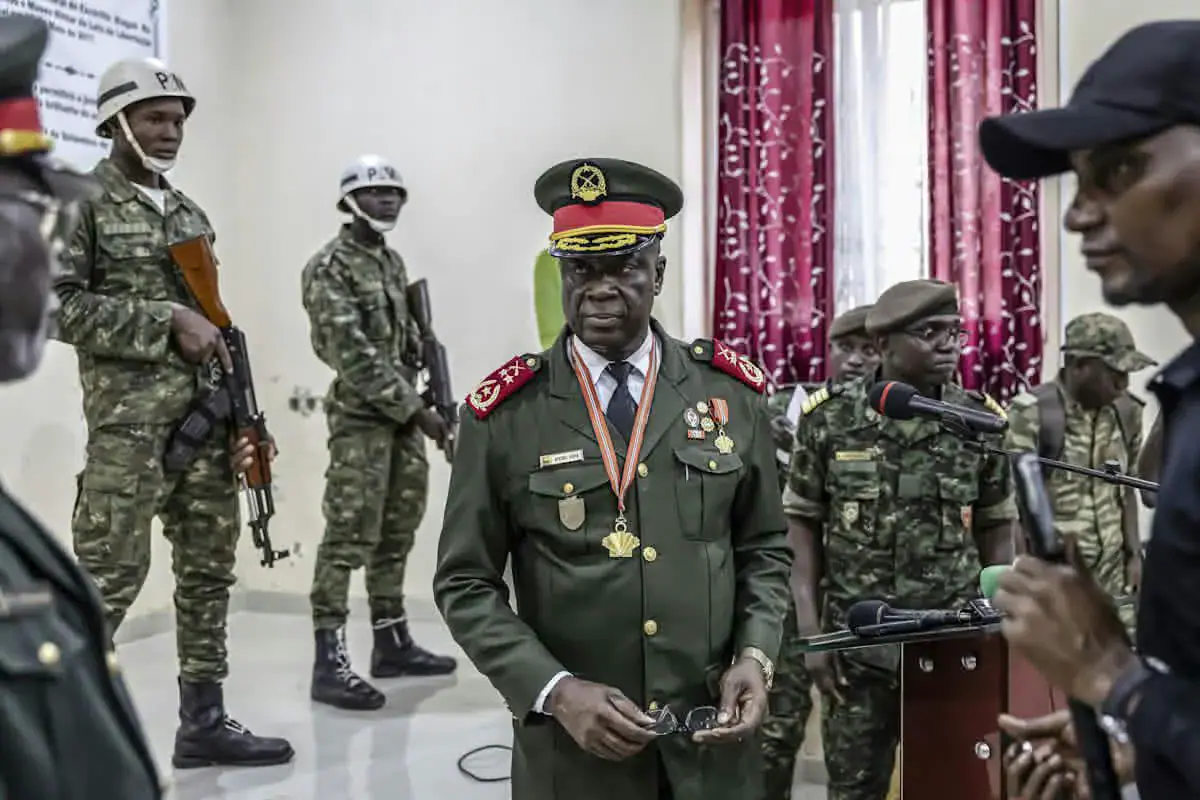
ECOWAS is concerned about the unilateral decision to postpone the return to constitutional order by two years. The organization advocates for a brief transition period, open to all national stakeholders, and had initially expected a return to constitutional order by December 6, 2026. On November 26, 2026, Transition President General Horta N'Tam signed a decree setting the presidential and legislative elections for November 26, 2028.
The new timeline cites a lack of technical, material, and financial resources necessary for the proper organization of elections, as well as the need for legality, transparency, inclusivity, and credibility in the electoral process. The military authorities also mentioned preparations for the first municipal elections, scheduled for 2027, and organizational and political shortcomings. This development comes a year after the military coup on November 26, 2025, which overthrew President Umaro Sissoco Embalo.
ECOWAS emphasizes the need for free, credible, and transparent elections, in line with its Additional Protocol on Democracy and Good Governance. While acknowledging the challenges raised by the Guinea-Bissau authorities, ECOWAS is willing to collaborate with them and stakeholders to find solutions and reduce the announced deadline. The organization requests that the transition leaders revise their decision and engage in constructive dialogue with Senegal, the mediator.
The goal is to establish a consensual, inclusive, and realistic roadmap for a swift return to constitutional order. ECOWAS also calls on the transition authorities to respect fundamental freedoms, guarantee the full enjoyment of political and civil rights, and ensure the participation of all components of Guinea-Bissau society in the crisis exit process.
ECOWAS reiterates its commitment to working with the African Union and the United Nations to maintain diplomatic pressure on the transition authorities. The organization urges the Guinea-Bissau authorities to adhere to its recommendations and engage in a concerted effort to resolve the country's political impasse.
It remains to be seen whether the Guinea-Bissau authorities will agree to revise their timeline and engage in a concerted approach to exit the political crisis. ECOWAS's stance demonstrates its commitment to promoting democracy and stability in the region.
Key points
- ECOWAS rejects Guinea-Bissau's transition extension to 2028
- The organization urges a return to constitutional order through free and transparent elections
- ECOWAS is willing to collaborate with stakeholders to find solutions to the country's challenges