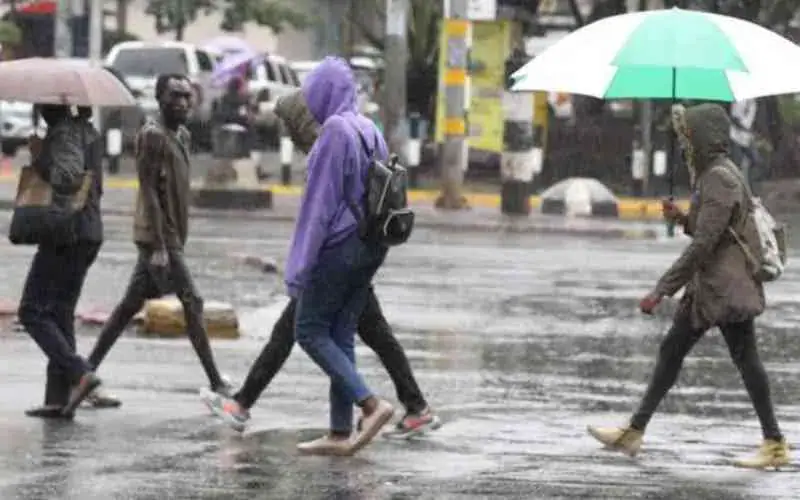
As Kenya enters the October-December rainy season, individuals and businesses are being urged to strengthen their emergency response plans. Victor Odera, head of AURA, an emergency response platform operating in Kenya, emphasized the importance of preparation before heavy rains disrupt transport networks and access to essential services. The IGAD Climate Prediction and Applications Centre forecasts a 90 per cent probability of enhanced rainfall in north-eastern Kenya.
The rainy season is expected to bring significant rainfall, with parts of central Kenya predicted to receive more than 400mm during the season. This warning comes as the country continues to grapple with the effects of the March-May 2026 floods, which claimed 122 lives and affected more than 42,000 people across 27 counties. The floods damaged roads, bridges, water systems, and electricity infrastructure, while several health facilities were forced to reduce or temporarily suspend services.
Odera noted that severe weather creates a difficult situation for emergency responders, with rising demand for assistance coinciding with disruptions to transport networks. During the March floods, major transport routes, including Mombasa Road and Uhuru Highway in Nairobi, became impassable. Floodwaters also submerged Sultan Hamud Bridge along the Nairobi-Mombasa highway, temporarily cutting off the route.
The impact of the floods on infrastructure and services highlights the need for preparedness. Odera advised organisations to review their emergency contacts, ensure employees understand how to request assistance, and maintain accurate information about their premises and access routes. Individuals were also advised to monitor weather forecasts and flood warnings, avoid flood-prone areas, and follow official evacuation instructions.
AURA is using technology to improve emergency coordination by connecting people seeking assistance with the nearest available vetted responders. The platform has integrated Google Maps Platform into its dispatch system to access real-time traffic information and road-closure data when determining routes and estimated arrival times. This technology enables AURA to make better dispatch decisions and get responders to people in distress efficiently.
Odera emphasized that early preparation, reliable communication, and effective coordination are essential in reducing the impact of extreme weather emergencies. By strengthening emergency response plans, individuals and businesses can minimize the risks associated with heavy rains and floods. The government and emergency response agencies are also working to mitigate the effects of the rainy season.
As the country prepares for the October-December rainy season, residents are advised to take proactive measures to ensure their safety and the safety of their businesses. This includes having a plan in place, staying informed about weather forecasts and flood warnings, and being prepared to respond to emergencies. By taking these steps, Kenya can reduce the impact of extreme weather events and minimize the risks to lives and property.
Key points
- The IGAD Climate Prediction and Applications Centre forecasts a 90 per cent probability of enhanced rainfall in north-eastern Kenya.
- The March-May 2026 floods claimed 122 lives and affected more than 42,000 people across 27 counties.
- AURA is using technology to improve emergency coordination and response.