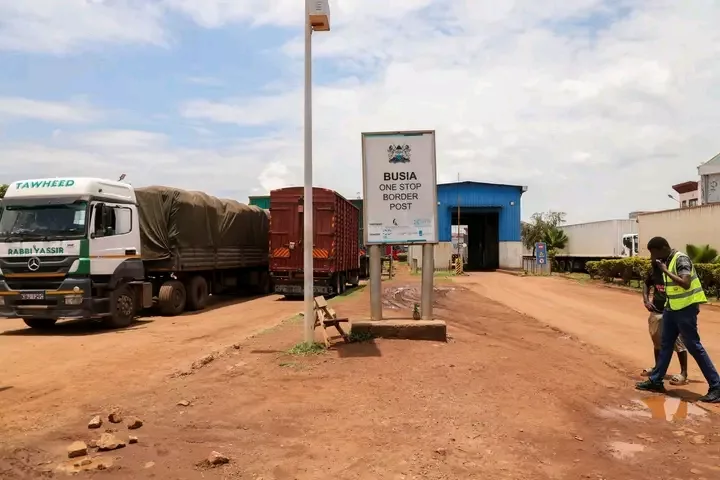
Busia County, located in western Kenya, has been described as a transit county 14 years after devolution. The county, which shares borders with Uganda, Rwanda, Burundi, the Democratic Republic of Congo, and South Sudan, is a key transit point for goods and people. With over 700 trucks crossing the border daily, Busia has tremendous potential for economic growth. However, despite its fertile soils, perennial rivers, and Lake Victoria shoreline, the county has failed to transform into a prosperous economy.
The county's diversity is a significant aspect of its identity, with various Luhya subnations, including the Samia, Marachi, Banyala, and Khayo, as well as the Iteso and other communities. This diversity can be a social capital if well managed, but it can also be a fault line that undermines development if politicized. Busia has seven subcounties, each with distinct economic and social needs. A one-size-fits-all approach to development has failed to address these needs, leading to persistent underdevelopment.
The county's subcounties have unique challenges that require tailored solutions. For example, Budalang'i subcounty is prone to flooding, which has led to food insecurity and displacement. The subcounty needs flood-resilient infrastructure and functional dykes to support its agricultural sector. In contrast, Funyula and Samia subcounties depend on Lake Victoria for fishing and other economic activities, but the lake's economy is declining due to overfishing and hyacinth infestation.
The county's agricultural sector has significant potential for growth, but it requires value addition and transformation. Currently, farmers in Busia sell raw produce, including sugarcane and fish, without milling or processing, which limits their earnings. The county also needs to develop its border trade infrastructure to retain value and create jobs. Despite its strategic location, the county's border infrastructure is underdeveloped, leading to a loss of economic opportunities.
The county's residents have expressed frustration with the lack of tangible assets and development 14 years after devolution. The county government has made some progress, including an increase in own-source revenue from Sh292 million to Sh509 million. However, the county still faces significant challenges, including a stock of pending bills and allegations of procurement irregularities and revenue mismanagement.
The county's governor, Paul Otuoma, has faced criticism for his administration's handling of development and accountability. Otuoma has appeared before the Ethics and Anti-Corruption Commission to record a statement as a person of interest in ongoing investigations. The county's residents have also expressed concerns about the lack of service delivery, including inadequate healthcare and poor infrastructure.
As the county looks to the future, residents are calling for credible leaders who can drive transformation and development. Arthur Osiya, the Principal Administrative Secretary in the Office of the President, has emerged as a credible alternative to the current governor. Osiya has served at the apex of government and public service, giving him the experience and expertise to lead the county's development.
Key points
- Busia County's failure to transform into a prosperous economy despite its strategic location and natural resources is attributed to poor leadership and lack of development.
- The county's diversity can be a social capital if well managed, but it can also be a fault line that undermines development if politicized.
- The county needs a comprehensive approach to address its development challenges, including agricultural transformation, border trade infrastructure, and credible institutions.