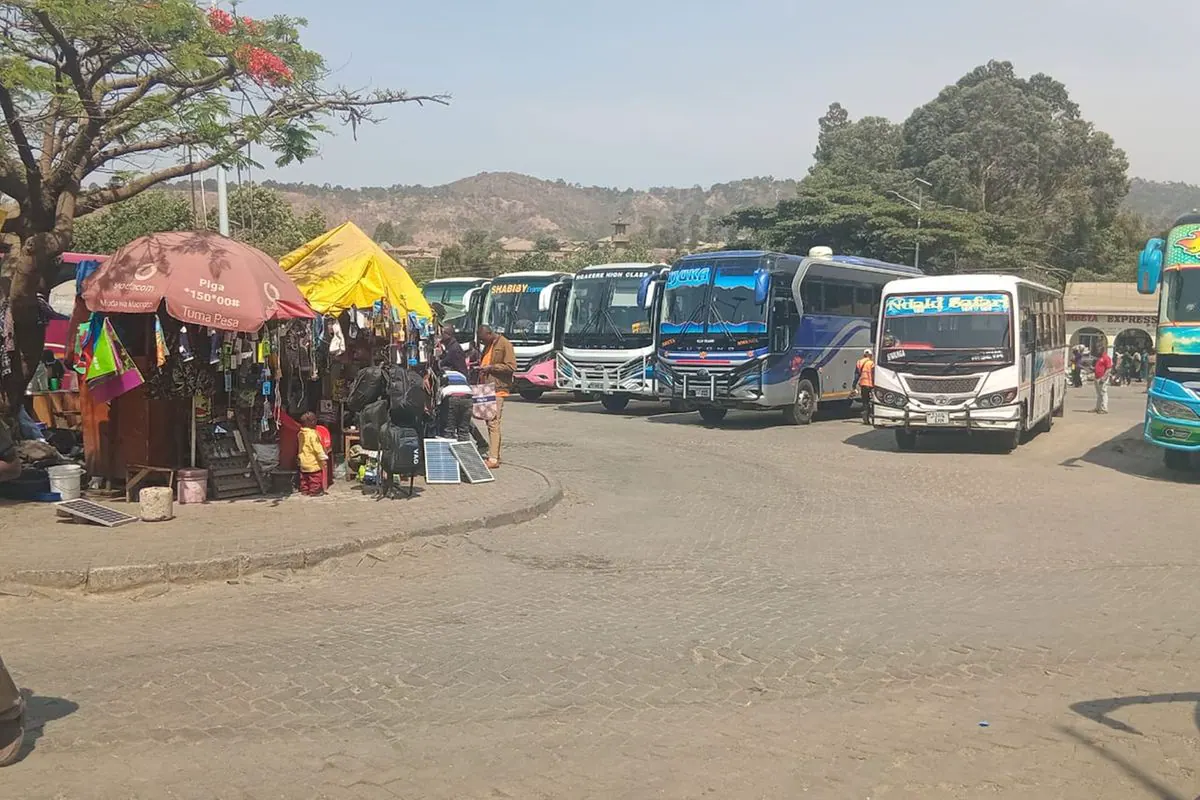
A visit to the Mbeya Regional Bus Terminal on September 30, 2026, found some buses leaving for various destinations, while passengers said they had spent the night waiting for their journeys to resume. The strike, which began on September 29, disrupted long-distance services, leaving passengers who had already bought tickets stranded. The resumption of services followed Government efforts to engage long-distance drivers and their leaders in talks aimed at resolving the grievances behind the strike.
Traders at the terminal said the disruption had increased their costs and delayed the delivery of goods to their intended markets. Robert Ngelendo, a gold trader from Mwanza, said the one-day disruption had significantly affected his business because the value of gold can change from day to day. He had travelled from Mwanza to Dar es Salaam to transport a consignment but got stuck in Mbeya.
The delay had forced Ngelendo to incur additional costs for food and accommodation. He urged the Government to consider the concerns of all parties, including the challenges facing drivers, particularly those related to road safety. Bus transport is an important link for many Tanzanians, particularly low-income earners, meaning disruptions could have wider economic consequences.
Michael Kasopa, a clothing trader from Mbeya, said the strike delayed deliveries to customers who were waiting for their orders. He had suffered significant business losses, but with buses starting to travel to different regions, he urged the Government to continue engaging with the drivers before the disruption causes greater damage.
Bus touts at the terminal also said the disruption had reduced their income because they depend on the number of buses and passengers arriving at the station. Richard Sanga, a tout at the terminal, said business had been difficult since Tuesday because of the shortage of passengers caused by the strike. Some passengers spent the night at the terminal, while others wanted their fares refunded.
Despite the challenges, some traders at the terminal said the unusual concentration of passengers created opportunities for them. Tea trader Tausi Joram said business was livelier than on a normal day, turning the disruption into an opportunity despite the difficulties faced by stranded passengers. The Government's engagement with drivers and bus owners may help prevent future disruptions.
The strike and its aftermath highlight the importance of the bus transport sector in Tanzania and the need for effective communication and collaboration between stakeholders to minimize disruptions. As the situation continues to unfold, traders and passengers are cautiously optimistic that services will continue to operate smoothly.
Key points
- The bus drivers' strike in Mbeya, Tanzania, caused significant disruptions to businesses and left passengers stranded.
- The strike resulted in increased costs and delayed delivery of goods for traders.
- The resumption of services followed Government efforts to engage with drivers and their leaders.